
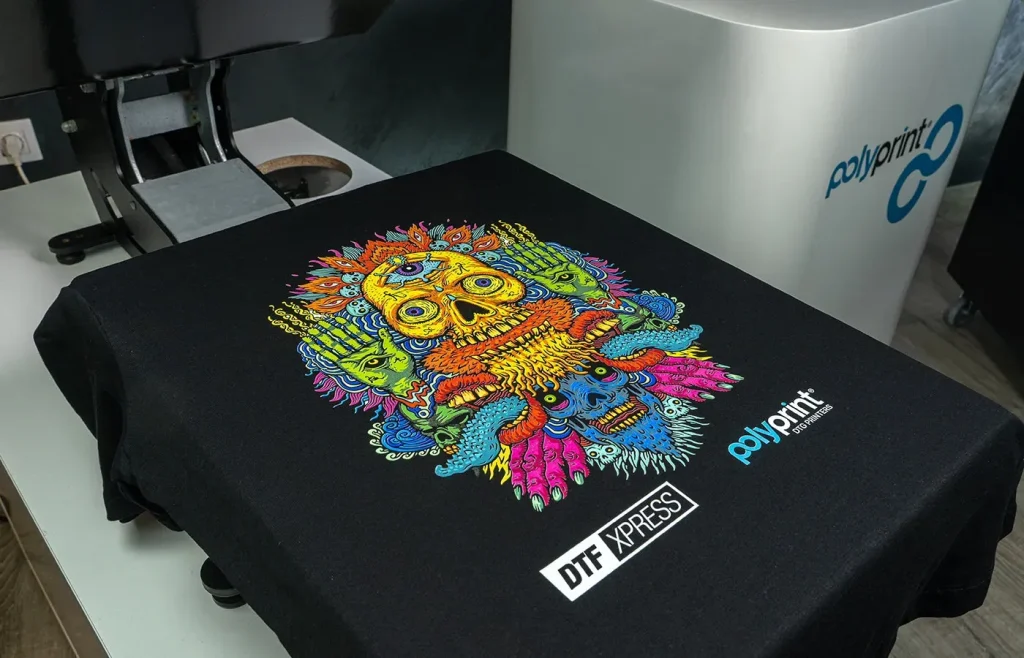
DTF printing, or Direct-to-Film printing, has rapidly grown in popularity as a preferred method for customizing fabrics and textiles. This innovative process allows you to unleash your creativity with high-resolution designs, ensuring vibrant colors and fine details in your prints. For beginners venturing into the world of DTF printing, understanding the intricacies of this technique and avoiding common pitfalls can significantly enhance the quality of your results. In this guide, we’ll share essential DTF printing tips, explore the DTF printing process, and help you navigate through the initial challenges. By the end of our journey together, you’ll be well-equipped to kickstart your DTF printing projects with confidence and success.
Revolutionizing the way designs are applied to fabrics, DTF printing offers a seamless solution for those looking to customize textiles. Known for its outstanding ability to transfer intricate designs onto various materials, this method utilizes a unique film and heat to achieve lasting results. For individuals new to this craft, familiarizing yourself with the art of Direct-to-Film printing and proactive measures to steer clear of frequent mistakes can elevate your printing capabilities. This discussion will not only delve into essential techniques for effective fabric customization but also emphasize how to successfully navigate the typical hurdles faced by novices. Join us as we uncover critical aspects of starting your DTF printing journey, ensuring you embark on this creative pursuit with clarity and ease.
Getting Started with DTF Printing: A Beginner’s Guide
Direct-to-Film (DTF) printing offers a unique opportunity for custom fabric printing, making it an appealing choice for business owners and hobbyists alike. For those just diving into this method, it’s crucial to have a basic understanding of its components. This includes familiarizing yourself with the types of films, inks, and the special equipment needed to achieve the best results. Starting with high-quality materials will set the foundation for your DTF printing journey. Begin by investing in the right printer and consumables that are specifically designated for DTF applications.
As you embark on this journey, don’t forget to learn about the key steps involved in the DTF printing process. From creating your designs digitally to preparing your printer and applying the transfer onto fabric, each phase is vital. Claims of vibrant color and durability come from not only the materials but also the meticulous process. Taking the time to follow each step will greatly enhance the quality of your final product.
Common Pitfalls in DTF Printing: What to Avoid
One significant hurdle beginners often face with DTF printing is selecting the wrong film or ink. As mentioned, the quality of the film can dramatically affect the outcome of the print. Poor-quality films can cause issues such as fading colors and designs that might not adhere properly to fabrics. Thus, it’s imperative to source films specifically designed for DTF printing, ensuring they have the necessary properties for optimal results. Always check for product recommendations and user reviews before making a purchase.
In addition to film quality, another key area where beginners falter is in the printer settings. Many overlook the critical adjustments needed for optimal printing. DPI settings and ink volume must be fine-tuned so that the design translates accurately onto the film. Regularly consult the printer’s manual and online resources to understand the best practices for your specific setup. Remember, neglecting these settings can lead to disappointing print results.
DTF Printing Tips: Enhancing Your Output
To excel in DTF printing, familiarizing yourself with essential tips and tricks is invaluable. One highly effective strategy is the routine maintenance of your printer. Keeping the printer heads clean and the heat press in pristine condition is critical for achieving consistent print quality. Over time, dust and residue can build up, affecting how ink is laid down and transferred to the fabric. Developing a regular cleaning schedule will extend the life of your equipment and prevent headaches later on.
Another practical tip involves conducting test prints prior to large-scale productions. This approach allows you to verify that your designs look as expected on the chosen fabrics. It also gives you a chance to make any necessary adjustments to your printer settings or inks before committing to bulk orders. Many successful DTF users swear by this method as a way to refine their processes and ensure every print meets their high standards.
Understanding the DTF Printing Process Step-by-Step
The Direct-to-Film printing process is a straightforward yet detailed method that requires attention to every stage. Beginning with design creation, it’s crucial to ensure your artwork is in the right format and resolution. Once created, the design is printed onto DTF film using specialized inks. The next step involves applying a powder adhesive while the ink is still wet, which prepares the film for the transfer process. This combination is what will ultimately produce a vibrant and durable print on the fabric.
Following the printing, it’s essential to cure the print with heat, allowing the adhesive to bond with the film properly. Registering the correct temperature, time, and pressure during this stage cannot be overstated, as it directly influences print quality. Investing time into perfecting this process will ensure that colors remain vibrant and that prints withstand washing and wear.
Engaging with the DTF Community: Why It’s Important
Joining the DTF printing community can be an invaluable resource for both novices and experts alike. Engaging in online forums and social media groups allows you to share experiences and gain insights from others who are on similar journeys. Many experienced users are open to troubleshooting common challenges or answering questions about techniques and materials. Building these connections can lead to learning about new products or methods that can enhance your DTF printing skills.
Moreover, participating in this community often means access to a wealth of shared knowledge, including tips and tricks that you won’t find in official manuals. Regularly attending webinars, participating in workshops, or simply watching tutorial videos helps in sharpening your skills. The DTF community is a powerhouse of creativity and support that can inspire you to take your printing endeavors to the next level.
Final Thoughts on DTF Printing Success
As this guide indicates, DTF printing can open up a world of possibilities for fabric customization, but success lies in understanding and respecting the processes involved. By avoiding common pitfalls and prioritizing quality materials like proper films and inks, beginners can achieve impressive results. Implementing maintenance routines and engaging with the DTF community will only serve to enhance your learning experience, providing ongoing support as you grow your skills.
Ultimately, the journey into DTF printing is a blend of art and science. Through persistent practice and a commitment to learning, you can master this technique, leading to high-quality prints that stand out. With the right foundation and community backing, your DTF journey can transform into both a fulfilling hobby and a thriving business.
Frequently Asked Questions
What is DTF printing and how does it work?
DTF printing, or Direct-to-Film printing, is a process where high-resolution designs are printed on a special film. This film is then transferred to fabric using heat and pressure, resulting in vibrant and durable prints ideal for custom fabrics.
What are the common pitfalls beginners face with DTF printing?
Beginners in DTF printing often encounter pitfalls such as using low-quality film, incorrect printer settings, using poor-quality inks, and failing to pre-treat fabrics properly. Addressing these issues can improve print quality significantly.
How can I avoid common pitfalls in DTF printing?
To avoid common pitfalls in DTF printing, ensure you use high-quality DTF film and inks, accurately adjust printer settings based on your specific project, pre-treat fabrics when necessary, and follow correct heat press settings for optimal results.
What tips are there for beginners starting with DTF printing?
Beginners in DTF printing should focus on understanding film quality, optimize printer settings, use high-quality inks, and conduct thorough test prints on various fabrics to identify the best technique for their designs.
Why is pre-treatment necessary in DTF printing?
Pre-treatment in DTF printing is necessary because certain fabrics may require it to ensure that the transfer adheres properly. Testing on fabric swatches helps determine the optimal approach before proceeding with large projects.
What are the best practices for maintaining a DTF printer?
Best practices for DTF printer maintenance include routine cleaning of the printer heads, ensuring the heat press is debris-free, and regularly checking and optimizing printer settings. These practices help maintain print quality and prolong printer life.
| Key Point | Explanation |
|---|---|
| Understanding DTF Printing | DTF printing transfers high-resolution designs onto fabrics using heat and pressure, allowing for vibrant, detailed prints. |
| Film Quality | Using high-quality films designed for DTF printing is critical to avoid faded images and peeling designs. |
| Ink Choice | Using reputable DTF inks ensures vibrant colors and durability, preventing fading and poor print quality. |
| Printer Settings | Adjusting DPI and ink volume settings is essential for achieving optimal print quality in DTF printing. |
| Pre-treatment of Fabrics | Certain fabrics may need pre-treatment for better adhesion of the transfer, so test small swatches first. |
| Heat Press Settings | Correct temperature and pressure settings are vital; always follow manufacturer guidelines to avoid issues. |
| Routine Maintenance and Cleaning | Regularly clean the DTF printer and heat press to maintain print quality and performance. |
| Test Prints and Samples | Create test prints to validate setups and catch design issues before executing large runs. |
| Engaging with the Community | Participating in online forums and discussions helps learn from experiences and strategies of other users. |
Summary
DTF printing, or Direct-to-Film printing, is an innovative customization technique offering vibrant and durable prints on fabrics. For those just beginning, it’s important to understand both the capabilities and common challenges associated with this process. By prioritizing high-quality film and inks, adjusting printer settings, ensuring proper fabric preparation, and maintaining heat press accuracy, beginners can significantly improve their outcomes. Furthermore, engaging with the DTF printing community for support and insights can enhance one’s knowledge and skills in this vibrant printing technique. With careful attention to these key areas, your DTF printing journey can be successful and fulfilling.