
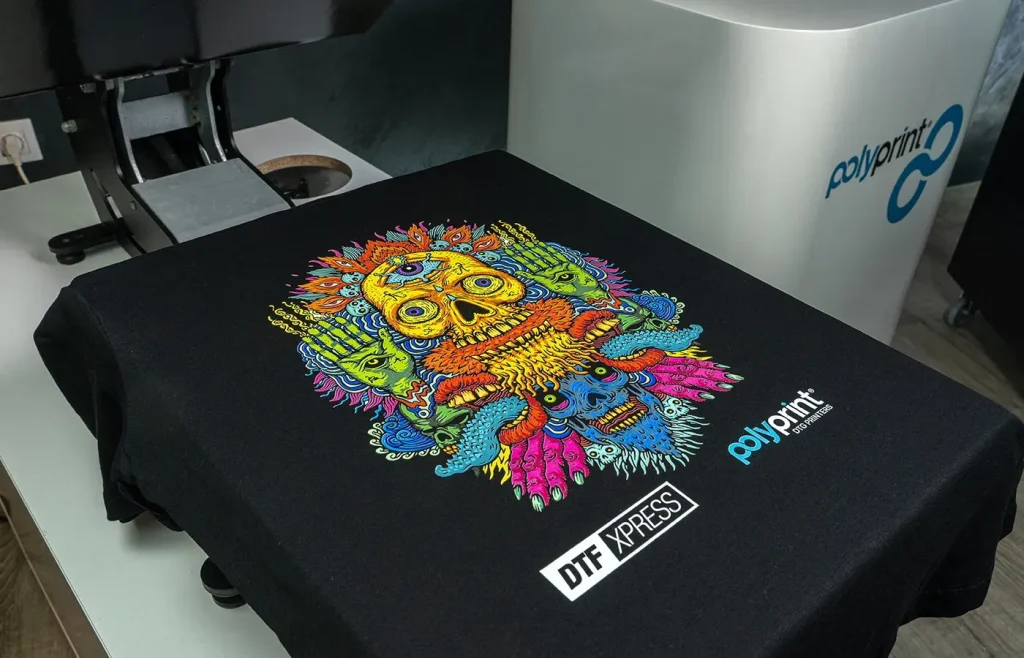
DTF printing, or Direct-to-Film printing, has emerged as a revolutionary custom printing technology that is changing the landscape of fabric printing. This innovative process allows for the application of intricate designs and vibrant colors onto a wide variety of textiles, ranging from cotton to polyester blends. With the DTF transfer process, businesses can achieve high-quality prints that retain their brilliance even after multiple washes, enhancing the longevity of custom garments. As we explore the benefits of DTF printing, it becomes evident that this approach is not only efficient but also adaptable to the ever-evolving demands of the fashion industry. The future of printing technology seems bright with DTF at the helm, paving the way for more personalized and sustainable print solutions.
Direct-to-Film (DTF) is rapidly gaining traction as a preferred method for transferring designs onto fabrics, marking a significant advancement in custom printing techniques. This modern printing approach utilizes a unique transfer film that enhances the quality and detail of prints, making it suitable for a diverse range of applications such as apparel and accessories. As businesses increasingly seek innovative solutions to meet customer demands, the DTF transfer method provides an efficient, cost-effective way to achieve stunning visual results. With ongoing advancements in the technology, the benefits of DTF are becoming more pronounced, positioning it as a cornerstone in the future of textile printing. Embracing this custom printing technology is essential for businesses aiming to stay competitive in a dynamic marketplace.
The Mechanics of DTF Printing Process
The DTF printing process involves several crucial steps that work in harmony to deliver stunning print quality on fabric. Initially, a digital design is printed onto a special DTF transfer film using specialized inks. These inks are formulated for optimal adherence and vibrancy, ensuring that the colors remain bright even after multiple washes. Once the design is printed, a powder adhesive is then applied to the wet ink on the film. This adhesive is essential as it allows the design to bond effectively to various fabrics when heat is applied.
Next, the transfer film with the adhesive is cured using heat, which activates the adhesive and prepares it for the transfer phase. The film is then placed on the intended fabric and subjected to a heat press, which transfers the design securely onto the substrate. This efficient process not only enhances productivity but also eliminates many of the complexities associated with other printing methods, such as screen printing. The result is a detailed and durable print that can withstand the rigors of wear and washing.
Advantages of Direct-to-Film Printing
One of the significant advantages of DTF printing is its remarkable versatility across various fabrics. From cotton and polyester to intricate blends, DTF technology can handle a wide array of materials, making it an ideal solution for custom apparel and other textile products. This adaptability allows businesses to cater to diverse consumer preferences, facilitating the production of personalized items that are in demand, particularly in the e-commerce sector where custom apparel is increasingly popular.
In addition to its fabric compatibility, DTF printing is also known for its eco-friendliness. With the rise in consumer awareness regarding environmental issues, DTF technology aligns well with sustainable practices by utilizing water-based inks that have a minimal environmental impact. This makes DTF an attractive choice for businesses looking to build a greener image while meeting customer demand for eco-conscious products. These benefits not only enhance the appeal of DTF but also contribute to its growing adoption in the custom printing market.
Challenges Facing the DTF Printing Industry
Despite the many benefits of DTF printing, businesses still face several challenges in adopting this technology. One of the primary hurdles is the initial investment required to purchase quality DTF printers and inks. While the operational costs may be lower in the long run, the upfront expenses can deter new entrepreneurs from entering the custom printing space. Additionally, the learning curve associated with mastering DTF technology can be steep, requiring businesses to invest in training and skill development.
Another challenge arises from the increasing competition within the DTF printing market. As more companies recognize the potential of DTF printing, the landscape is becoming saturated, necessitating that brands innovate continuously to stay relevant. The differentiation of offerings through unique design and quality will be crucial for businesses aiming to maintain their competitive edge in this rapidly evolving environment.
Market Trends Shaping DTF Adoption
The DTF printing market is witnessing significant growth, largely driven by the increasing demand for personalized and customized products. In recent years, the trend of custom apparel has gained traction, particularly within e-commerce platforms, where consumers are seeking unique designs that reflect their individuality. Reports indicate that businesses implementing DTF technology can tap into this expanding market, catering to both large retailers and niche creative studios.
Furthermore, the future of printing technology points towards a more integrated approach where digital and traditional printing methods coexist. As improvements in DTF technology continue to emerge, such as enhanced ink formulations and faster printers, the custom printing industry is likely to experience renewed interest from businesses looking to innovate. Brands that leverage these advancements effectively will be well-positioned to capture a larger market share in the competitive landscape.
The Future of Custom Printing with DTF
As we look ahead, the future of custom printing is poised for transformation with the continued evolution of DTF printing. The combination of high-quality prints, eco-friendly inks, and the ability to swiftly produce custom designs will make DTF a staple technology for entrepreneurs and established businesses alike. The ongoing development in the area of DTF printing suggests that this technology will not only sustain its growth but will also reshape the conventions of fabric printing, allowing for limitless creativity.
Moreover, as consumer preferences shift towards sustainability and personalization, DTF printing stands ready to meet these demands head-on. The technology’s capability to produce durable designs with minimal environmental impact places it at the forefront as a viable option for printing needs. Innovations in DTF will likely lead to new applications and uses, thereby expanding its reach across various sectors beyond traditional apparel, potentially infiltrating markets like home decor and promotional merchandise.
Frequently Asked Questions
What is DTF printing and how does it work?
DTF printing, or Direct-to-Film printing, is a custom printing technology that involves printing designs onto a special transfer film, which is then heat-applied to various fabrics. This process allows for vibrant colors and intricate details, making it suitable for a wide range of products, including apparel and accessories.
What are the benefits of DTF printing compared to traditional methods?
The benefits of DTF printing include better versatility across multiple fabric types, faster production times, and reduced costs compared to traditional methods like screen printing. Additionally, DTF allows for eco-friendly options through advanced ink formulations that minimize environmental impact.
How has DTF printing evolved in recent years?
DTF printing has evolved significantly due to improvements in ink formulations, which ensure better adhesion and longevity of prints. Furthermore, advancements in DTF printer technology have led to increased printing speeds and efficiency, catering to the growing demand for custom apparel in the market.
In what applications is DTF printing most commonly used?
DTF printing is commonly used for various applications including t-shirts, hoodies, tote bags, and other fabric items. Its adaptability makes it an excellent choice for both large-scale production and small custom orders, appealing to businesses of all sizes.
What challenges do businesses face when adopting DTF printing technology?
While DTF printing offers many advantages, businesses may face challenges such as the initial equipment costs for high-quality printers and inks. Additionally, increasing competition as more companies adopt this technology can pressure businesses to innovate and differentiate their offerings.
What does the future hold for DTF printing technology in the custom printing industry?
The future of DTF printing looks promising, with significant market growth expected as more businesses incorporate this technology. Innovations in printing efficiency, eco-friendly practices, and versatility will likely solidify DTF’s position as a leading custom printing solution.
| Key Point | Description |
|---|---|
| What is DTF? | A process that prints designs on a special transfer film, allowing for vibrant and intricate designs to be applied to various fabrics. |
| Recent Developments | Includes improved ink formulations for better adhesion and faster production times for larger print runs. |
| Market Growth | Increasing demand for personalized items and custom apparel, especially in e-commerce, driving adoption of DTF technology. |
| Benefits of DTF Printing | Versatile across many fabric types, eco-friendly ink options, and cost-efficient for businesses, especially SMEs. |
| Challenges | Initial equipment costs can be high, and increasing competition in the market requires innovation. |
Summary
DTF printing is dramatically changing the landscape of custom printing technology. This innovative method allows for high-quality, detailed prints on various fabrics, making it an essential tool for businesses looking to stay competitive. With its emphasis on speed, eco-friendliness, and cost-efficiency, DTF printing positions itself as a leading solution for businesses and consumers alike. As the demand for custom apparel grows, embracing DTF technology will be crucial for anyone involved in the textile industry.