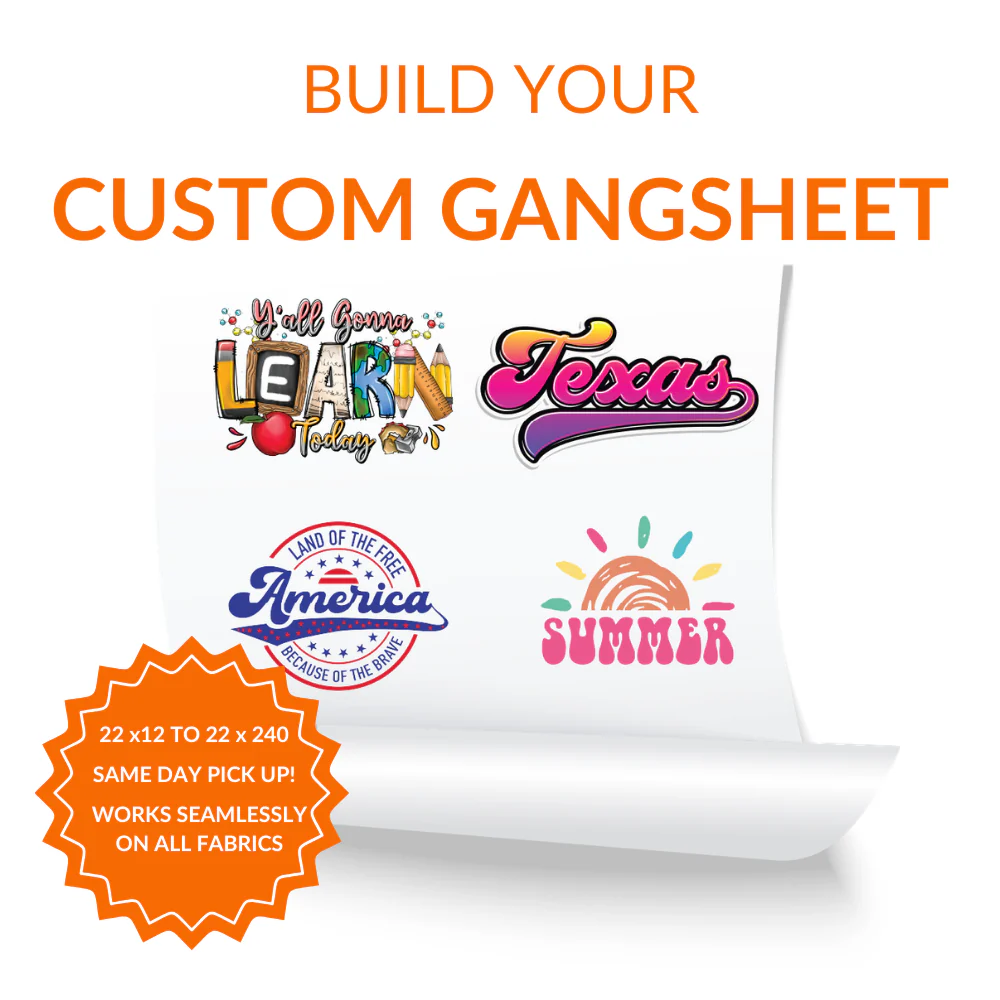
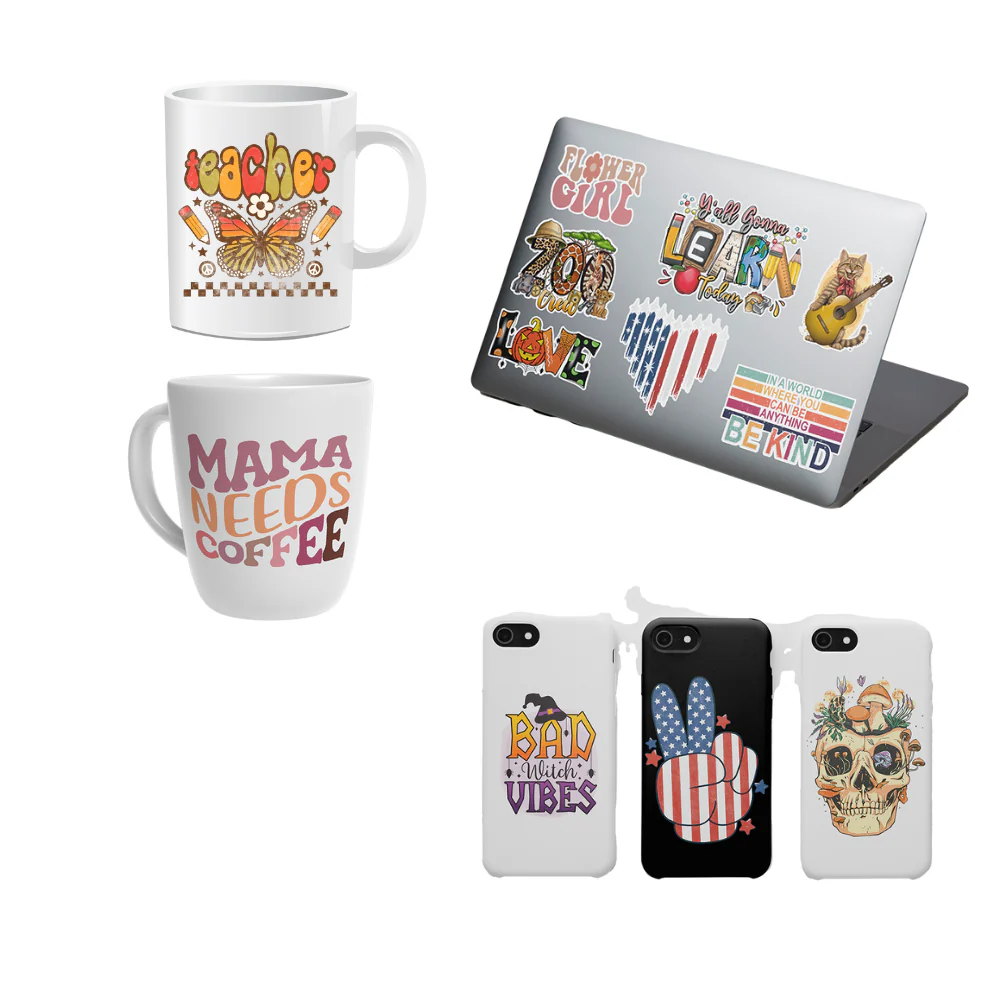
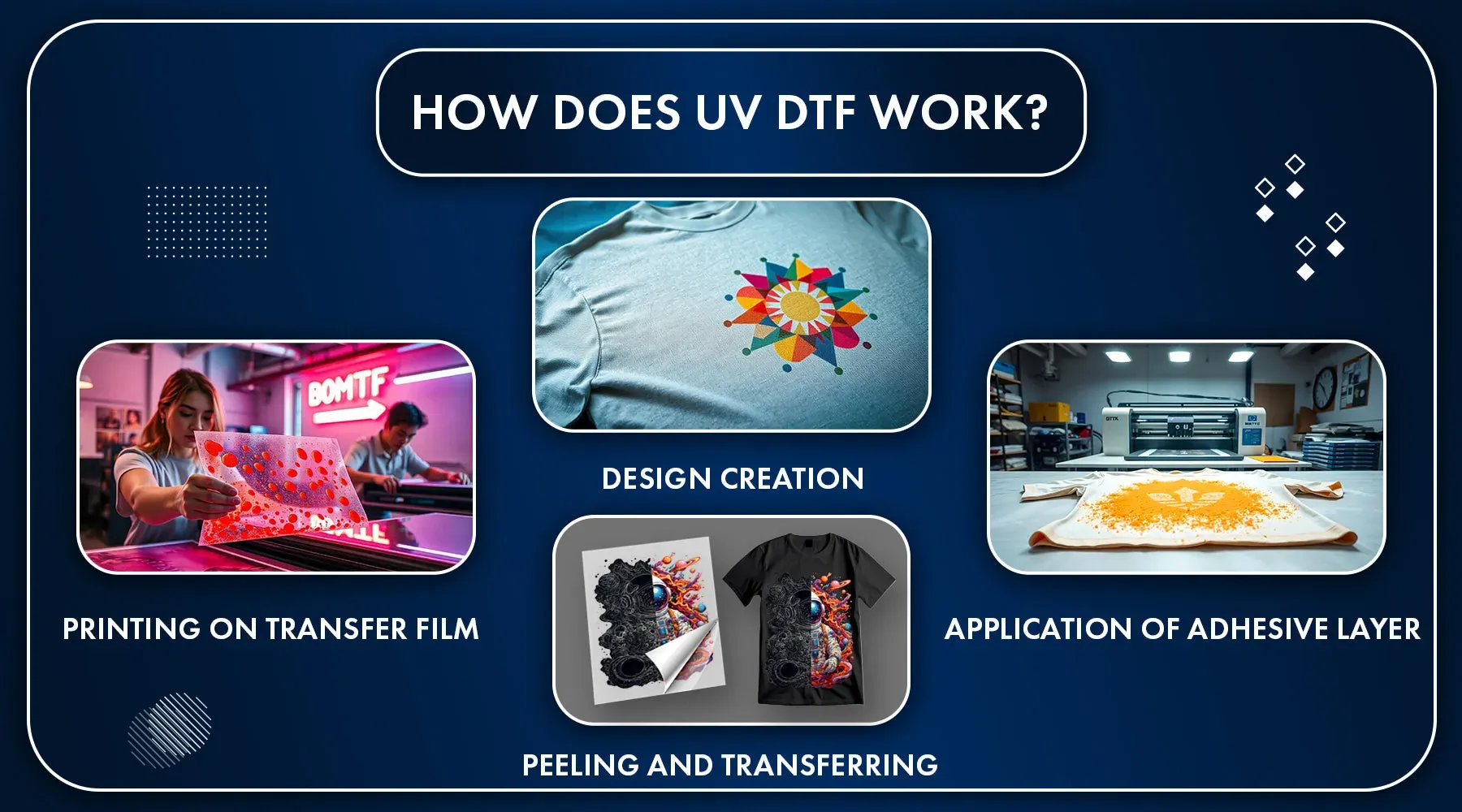
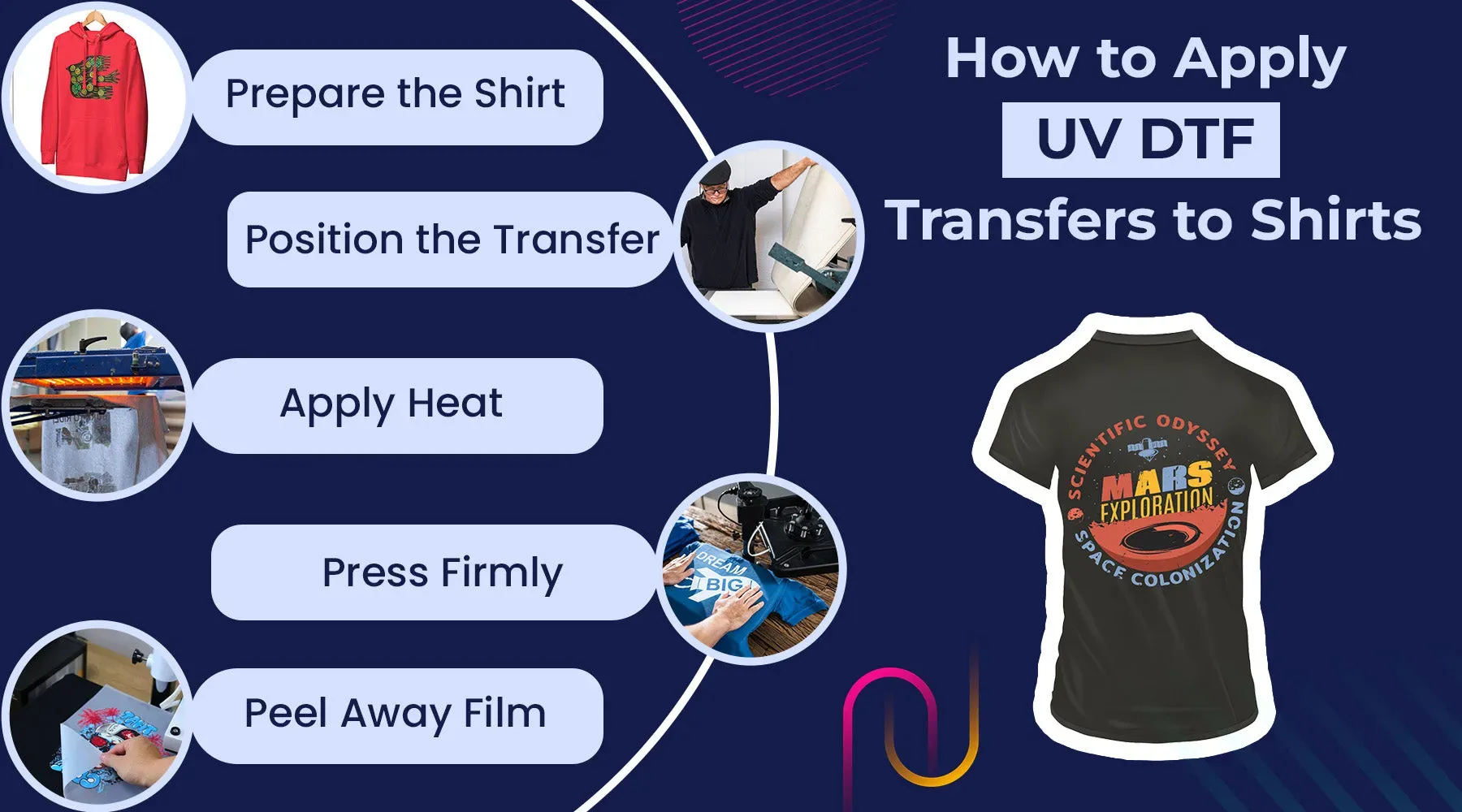
DTF printing, or direct-to-film printing, is revolutionizing the custom apparel industry by offering an innovative approach to fabric decoration that delivers exceptional quality and efficiency. This method allows for the seamless transfer of vibrant images onto various textiles, making it an appealing choice for businesses seeking to create eye-catching designs. By utilizing specialized DTF printing equipment and techniques, companies can achieve intricate details and bright colors that stand out. In this article, we will share essential DTF tips to improve DTF quality, ensuring your prints not only captivate but also endure. Join us as we explore how to maximize your printing prowess with this cutting-edge technology.
The art of direct-to-film printing has emerged as a game-changer in the field of garment printing, providing an advanced solution for high-quality fabric graphics. With its capability to efficiently produce customized designs, this printing technique is rapidly gaining popularity among apparel makers looking to enhance their product offerings. Known for its vibrant color output and superior detail resolution, it caters to various materials and styles, ensuring versatility for all types of projects. In this discussion, we will delve into effective strategies that can elevate your printing processes, helping you leverage the full potential of this transformative printing method for your bespoke apparel needs.
Maximizing Quality in DTF Printing
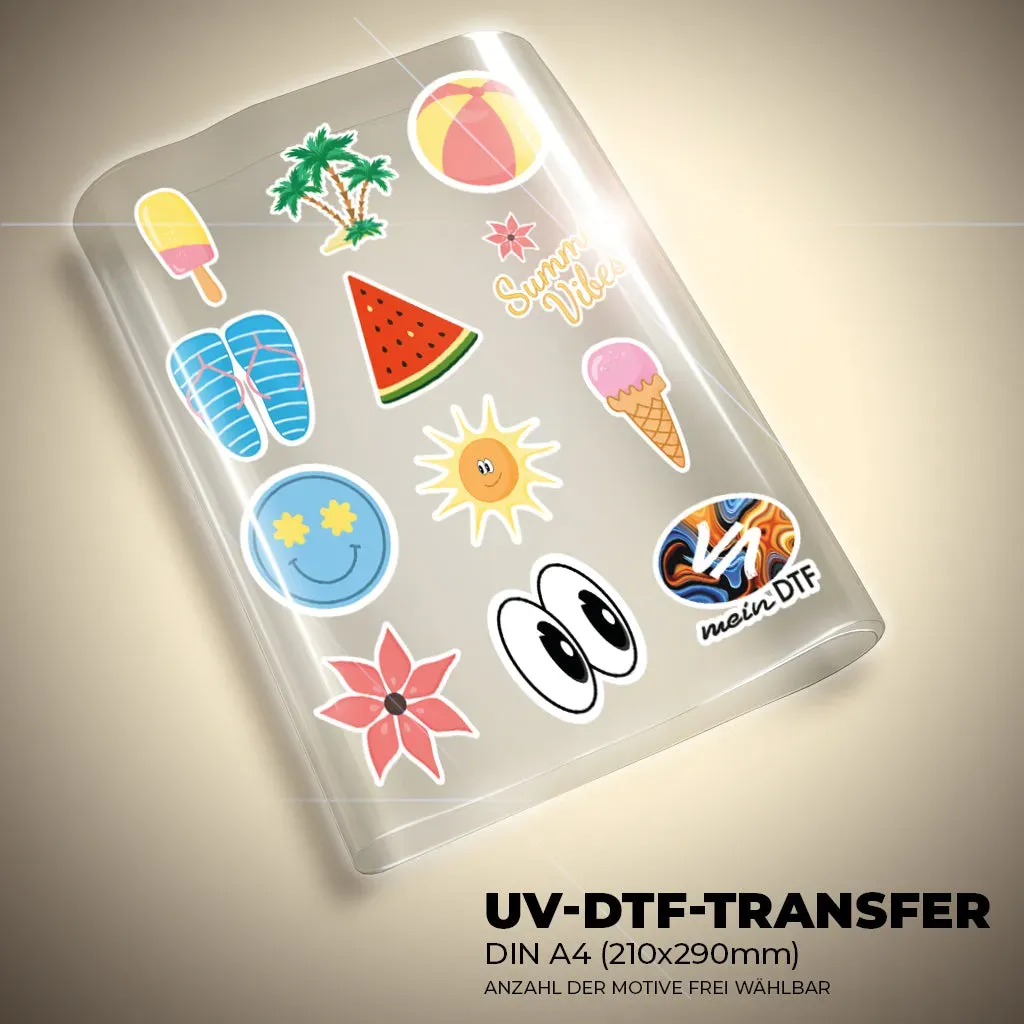
One of the most critical factors in achieving high-quality prints in direct-to-film (DTF) printing is the choice of materials. High-resolution images combined with the right type of transfer films can significantly enhance the clarity and vibrancy of the final product. When using specially designed DTF films, the ink adheres better to the fabric, leading to prints that are not only visually striking but also durable against wear and washing. It’s essential to pay attention to film specifications to ensure compatibility with your chosen inks.
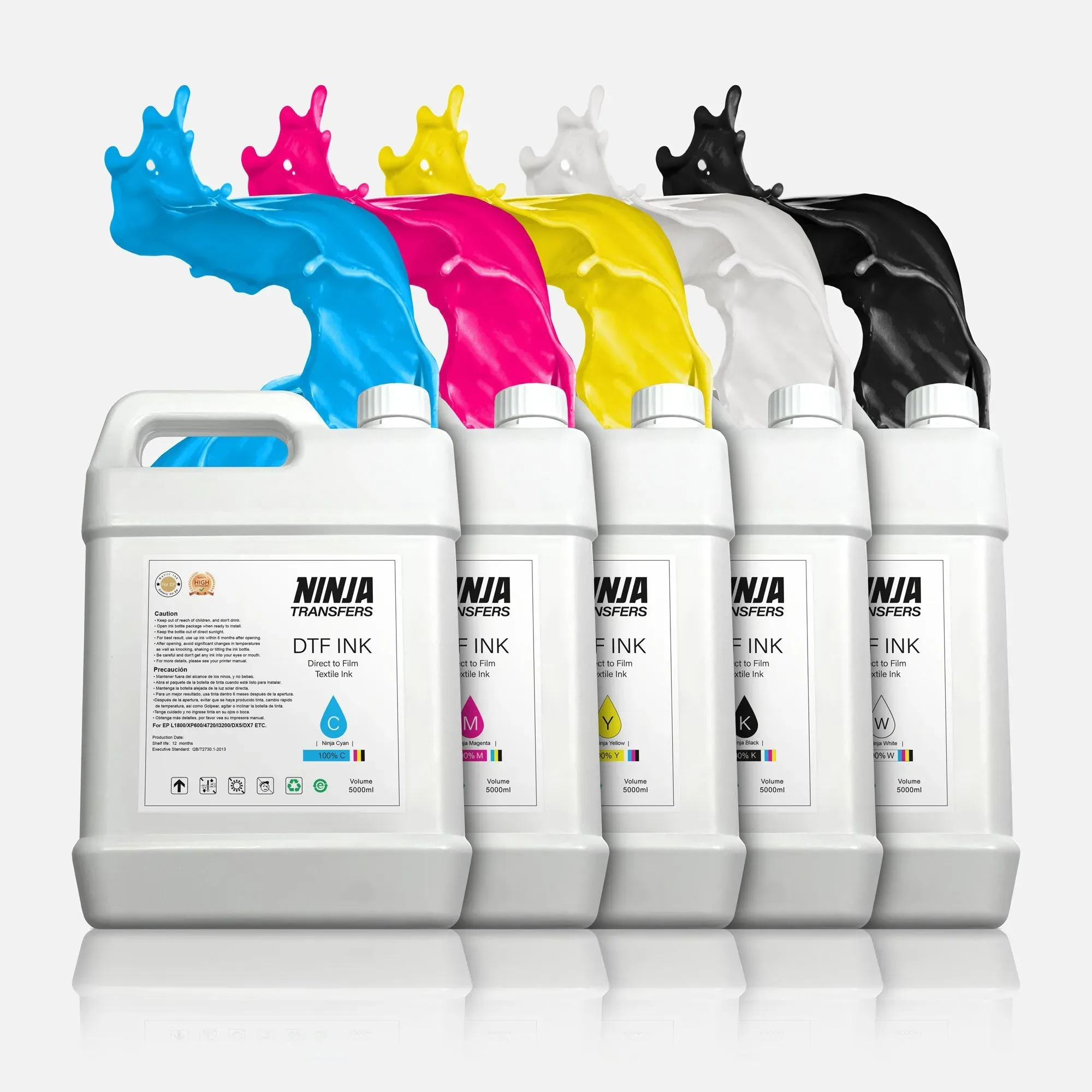
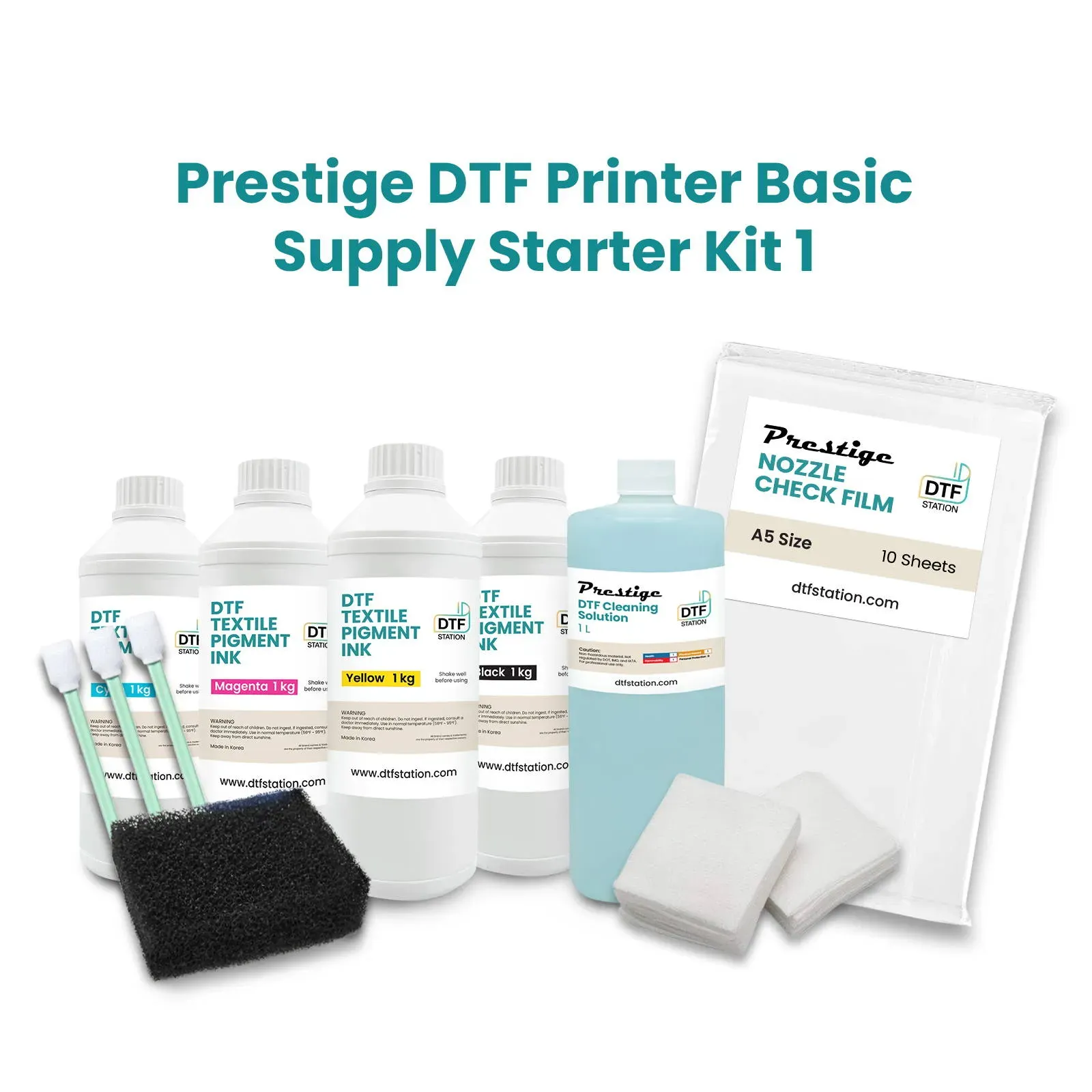
Additionally, using high-quality DTF inks can elevate the overall production quality. These inks are tailored to provide superior adhesion and color accuracy. Regularly testing different brands and formulations can yield insights into which products perform best with your equipment and materials. Keeping up with advancements in ink technology can also ensure that your prints maintain a soft feel while remaining resilient, enhancing customer satisfaction with the end product.
Essential DTF Printing Equipment
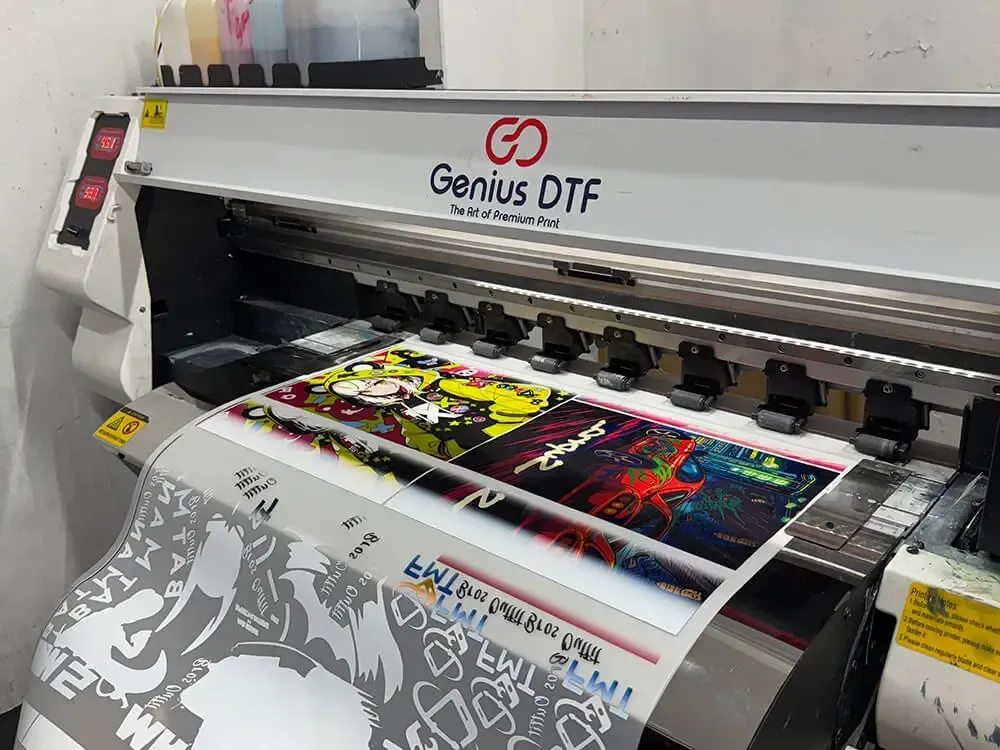
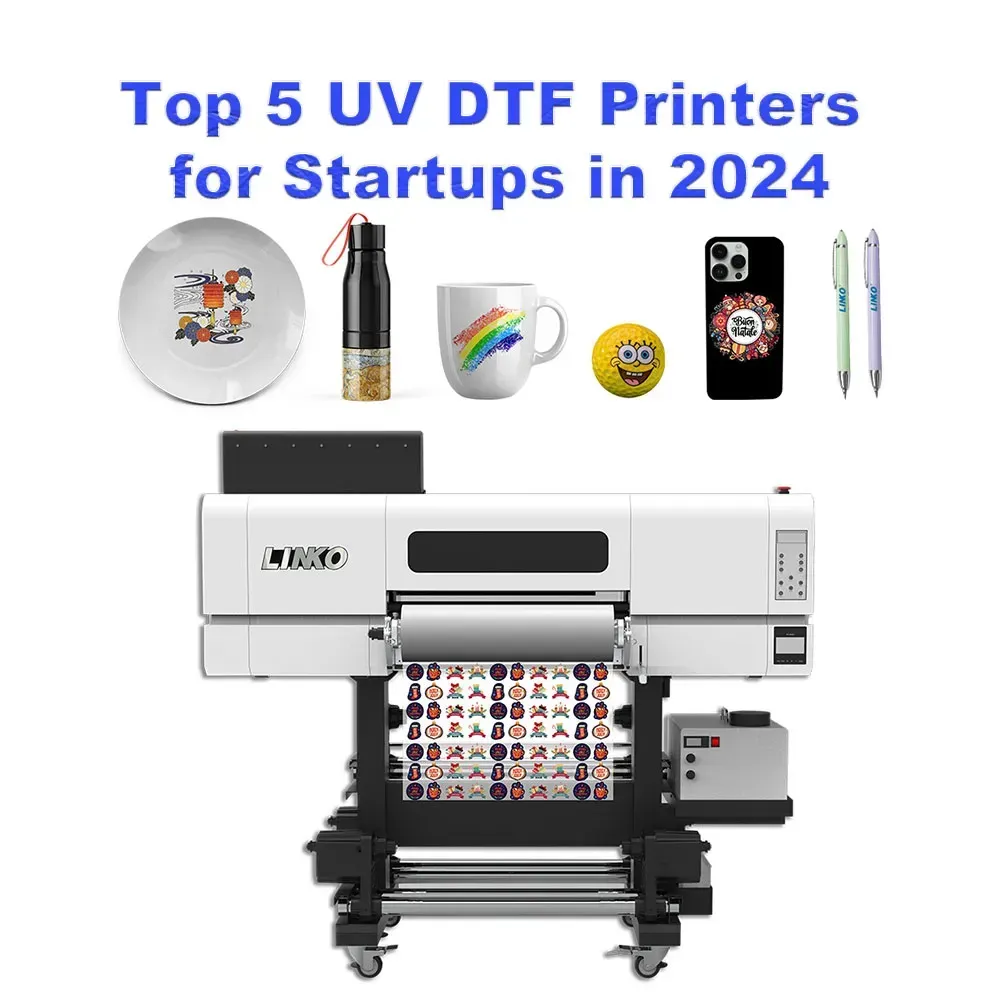
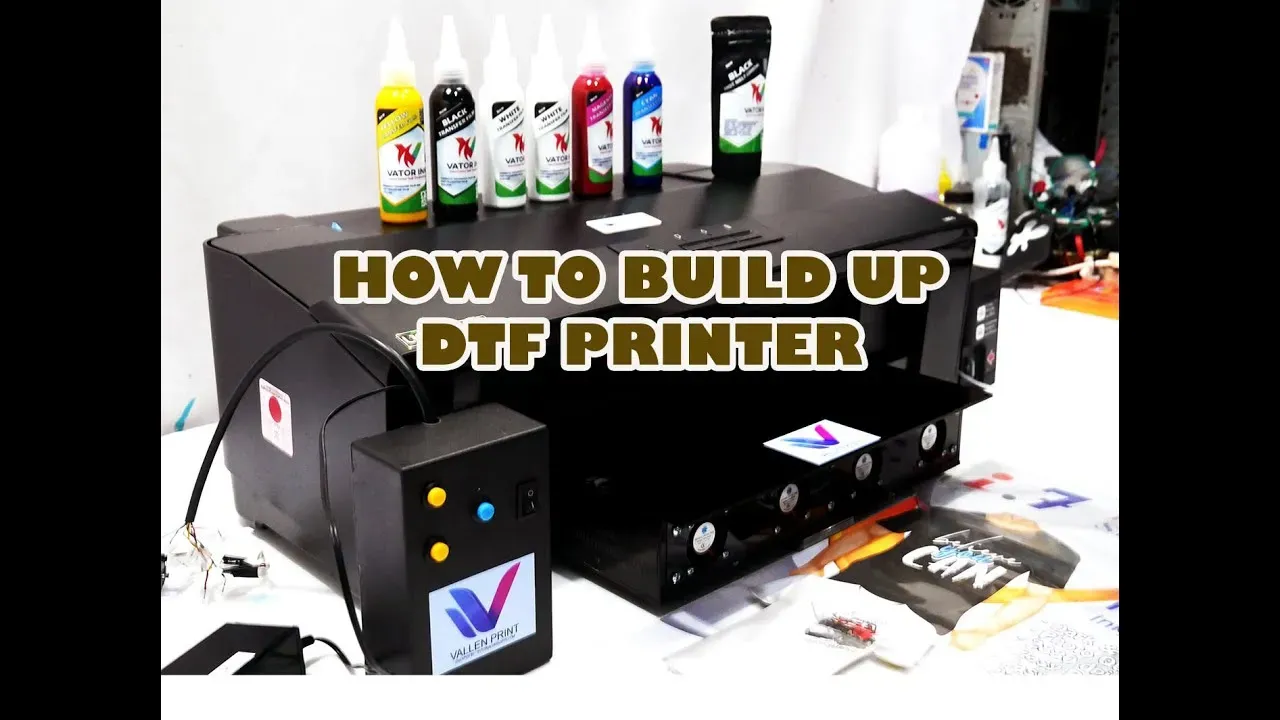
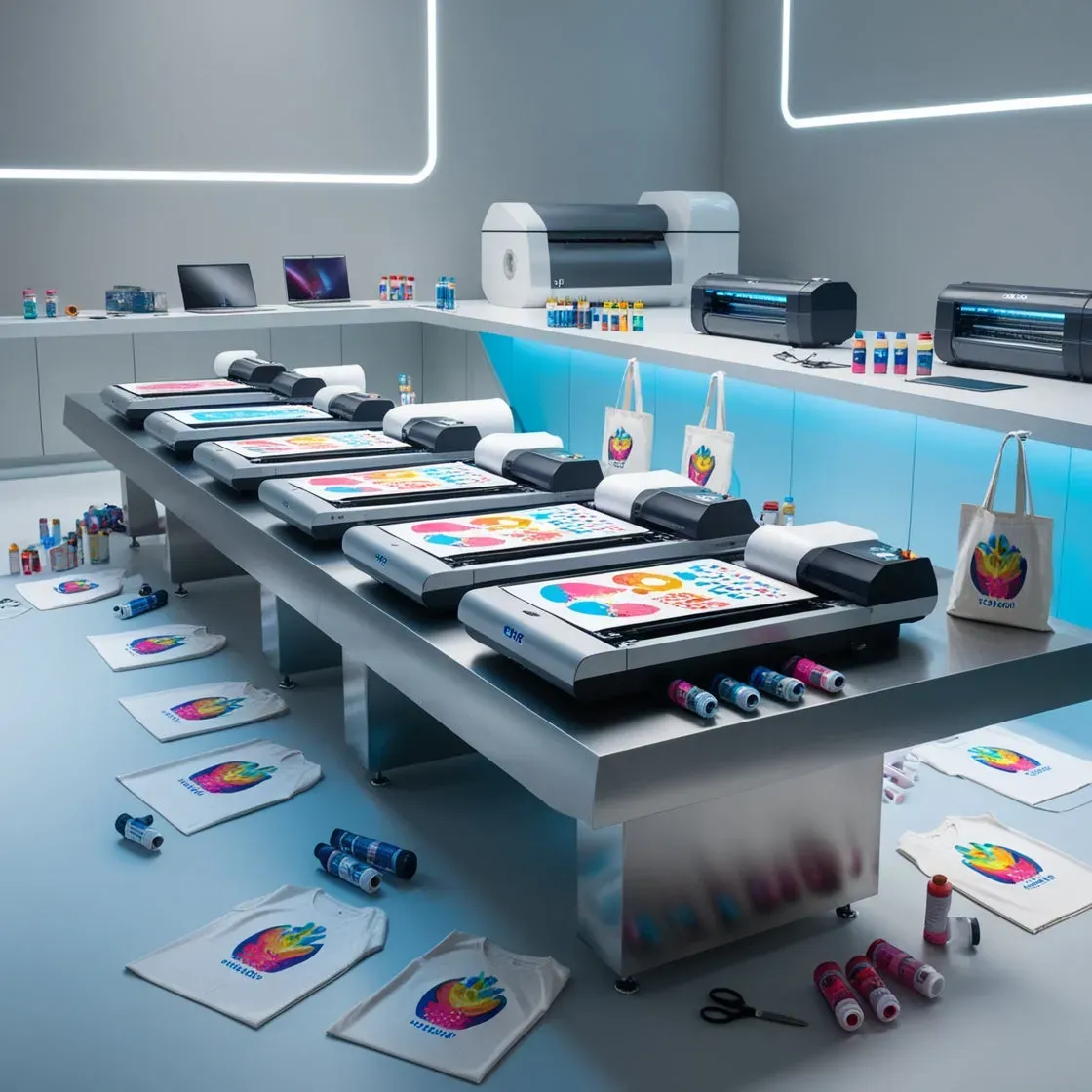
Selecting the right equipment for DTF printing is a vital step in the printing process. Investing in a high-resolution printer designed for DTF applications can dramatically improve print outcomes. Brands such as Epson and Mimaki offer state-of-the-art models that are known for their reliability and exceptional print quality. When purchasing a printer, consider its capability to handle various fabric types and its overall compatibility with the DTF printing process to ensure optimal results.
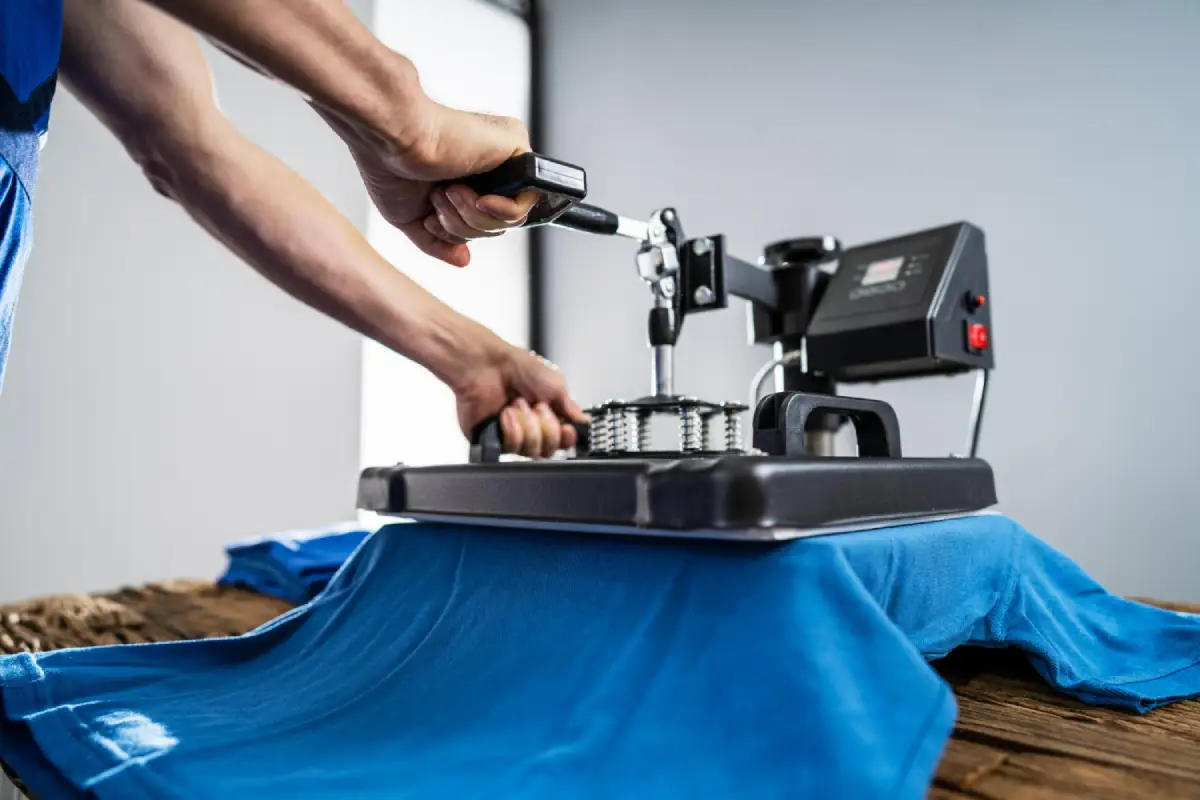
Moreover, a reliable heat press is equally important. The curing process in DTF printing is essential for ensuring that prints adhere well to the fabric. A heat press with adjustable temperature settings allows for precise control during the curing process, preventing issues like peeling or fading. It’s worth investing in the best equipment you can afford, as this will pay off in the long run with improved efficiency and output quality.
Pre-press Design and Image Preparation for DTF
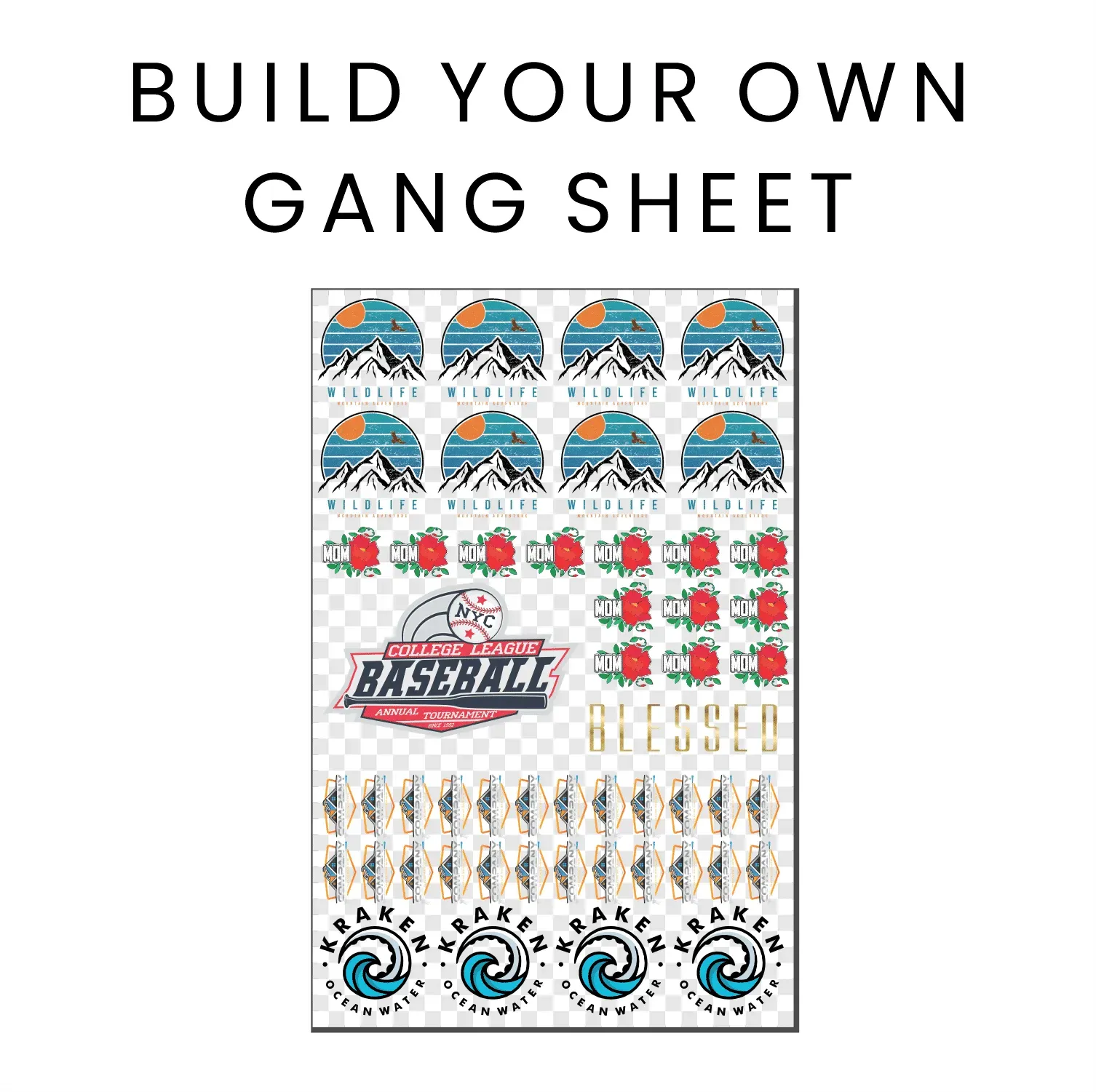
Before launching into the printing phase, thorough pre-press preparation is essential for DTF success. Ensuring that your images are high resolution is paramount; designs should generally be created at a minimum of 300 DPI. This level of detail ensures clarity and precision in the final print. Additionally, utilizing transparent backgrounds can enhance the overall quality of your transfers, allowing for a cleaner look on various fabrics.
It’s also prudent to conduct test prints. Adjusting printer settings based on the material type and ink can fine-tune the print process for better results. Gathering feedback from these test runs allows you to make necessary adjustments in real-time, which can significantly reduce waste and improve efficiency in the long-term operation of your DTF printing business.
Post-Printing Techniques for Durability
The post-printing process is as crucial as the pre-press activities when it comes to DTF quality. Curing the prints with a heat press at the recommended temperature for a specific duration is vital. A general guideline suggests curing at temperatures between 160-180°C for about 10-15 seconds, but specific inks and materials may require adjustments. This precise control during the curing phase can greatly enhance print adhesion and longevity.
Incorporating a waiting period between printing and transferring the designs also improves overall quality. Allowing the inks to cure fully before application can help in achieving better transfer results and extending the life of the prints against washing and wear. Following best practices not only boosts the durability of your prints but also builds a reputation for quality in your custom apparel offerings.
Sustainable Practices in DTF Printing
With increasing awareness around environmental issues, adopting sustainable practices within your DTF printing operations can significantly enhance your brand image. DTF printing inherently produces less waste than traditional methods, making it an eco-friendlier choice. Additionally, sourcing eco-friendly inks can further aid in reducing the environmental footprint of your printing business. Choosing suppliers that prioritize sustainability can resonate positively with consumers who value responsible production.
Implementing sustainable practices goes beyond material choices; it also involves optimizing energy consumption and reducing overall resource usage in your printing processes. Regularly evaluating and adjusting production methods can create a more efficient operation, which not only benefits the environment but can also lead to cost savings in the long run. Demonstrating these commitments can attract conscious consumers to your custom apparel line.
Navigating Trends in the DTF Printing Industry
Keeping abreast of the latest trends in the DTF printing industry is vital for maintaining a competitive edge. The growth of personalization in fashion has led to a booming demand for DTF printing services, as this method allows for creativity and individuality. Businesses can leverage this trend by offering customized apparel solutions that cater to unique consumer preferences, thereby enhancing customer engagement.
New technological advancements in DTF printing are continually emerging, promising improvements in print speed and quality. Staying updated on these innovations can inform strategic decisions regarding equipment upgrades and process enhancements. Attending industry conferences, participating in webinars, and engaging with expert resources can provide invaluable insights and enable your business to adapt swiftly to market demands.
Frequently Asked Questions
What is DTF printing and how does it work?
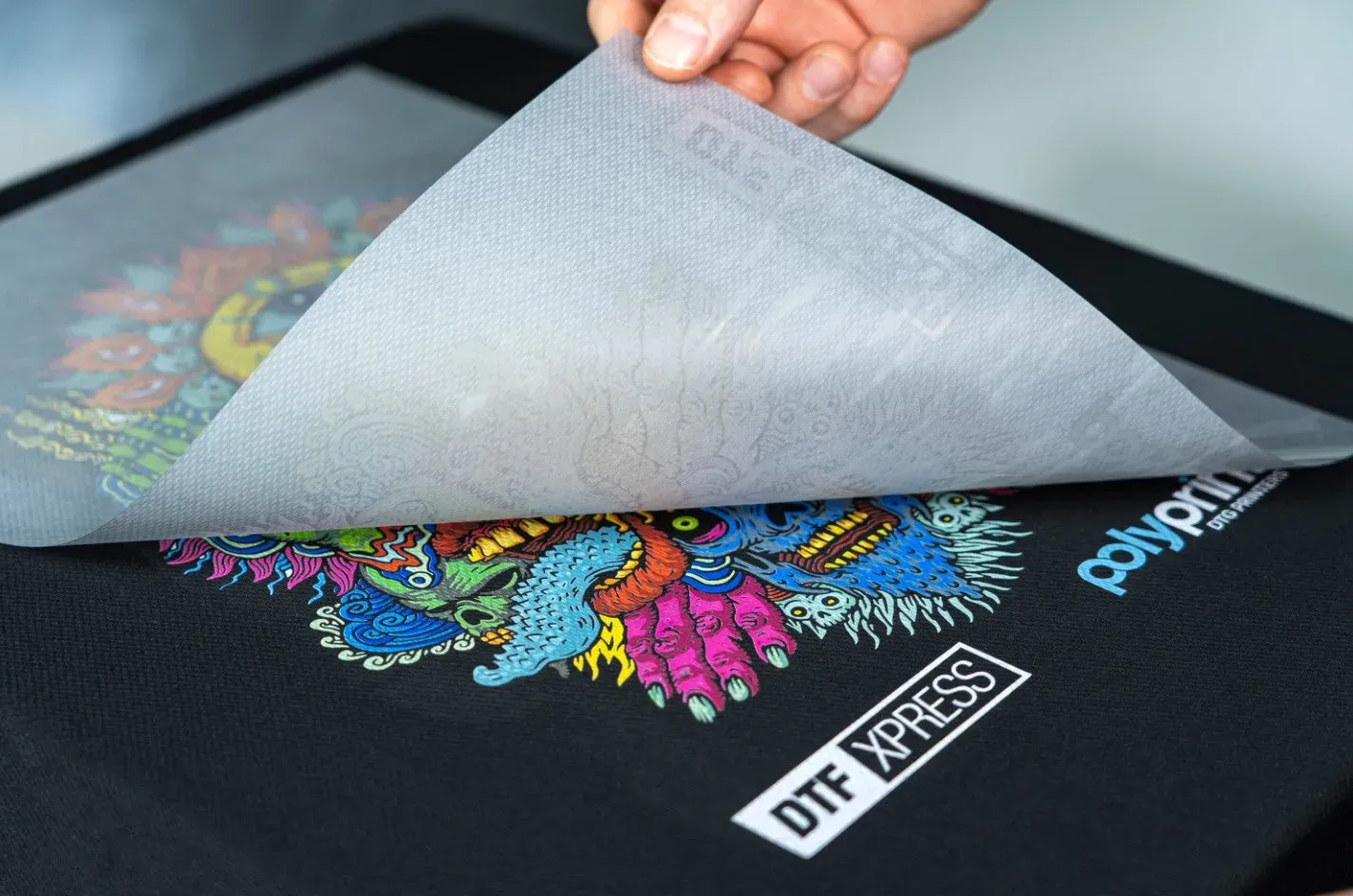
DTF printing, or direct-to-film printing, is a method that transfers images from a special film directly to fabric using unique inks and adhesives. This process allows businesses to achieve high-quality, vibrant designs that can be applied to various materials, making it ideal for custom apparel.
What are some tips to improve DTF printing quality?
To improve DTF printing quality, ensure you use high-resolution images of at least 300 DPI, choose quality DTF inks for better color accuracy, and opt for optimized DTF films for effective adhesion. Additionally, calibrate your printer settings appropriately for the materials being used.
What equipment is recommended for DTF printing?
For successful DTF printing, investing in high-quality printers like Epson or Mimaki is crucial. You’ll also need good DTF inks specifically made for durability and vibrant color. A reliable heat press and quality transfer films are also vital to enhance print results.
Why is the curing process important in DTF printing?
The curing process in DTF printing is essential for ensuring the durability of prints. Using a heat press at the recommended temperature of 160-180°C for 10-15 seconds helps in achieving better adhesion, preventing issues like peeling and ensuring long-lasting designs.
How does DTF printing compare to other printing methods?
DTF printing is often faster and more versatile than traditional methods, allowing for high-quality, detailed prints on a wide range of fabrics. It is particularly suitable for custom apparel with intricate designs, and typically produces less waste, making it a more sustainable option.
What are the latest trends in DTF printing for custom apparel?
The DTF printing market is rapidly evolving with trends aimed at personalization and eco-friendliness. With advancements in technology, DTF printing is becoming the preferred choice for businesses looking to create unique custom apparel while also addressing environmental concerns.
| Key Points | Details |
|---|---|
| Introduction to DTF Printing | DTF printing is a technique that transfers images from a film to various fabrics, offering high-quality and efficient printing options. |
| Benefits of DTF Printing | High-quality prints, efficient production speeds, and versatility for different fabric types. |
| Optimal Equipment | Invest in high-quality printers (e.g., Epson, Mimaki), DTF-specific inks, and quality transfer films. |
| Pre-Press Considerations | Use high-resolution images (300 DPI) and adjust printer settings to minimize wastage. |
| Post-Printing Process | Curing prints with the right temperature for adherence and establishing a waiting period for durability. |
| Sustainability | DTF printing is more eco-friendly, producing less waste and using advanced eco-friendly inks. |
| Industry Trends | Growing demand for personalization in fashion, driving the adoption of DTF printing in custom apparel. |
Summary
DTF printing has emerged as a revolutionary technique in the garment industry, leveraging meticulous processes to deliver outstanding quality and efficiency. By understanding the nuances of DTF printing—from the selection of the right equipment and materials to the crucial pre-press and post-printing stages—businesses can achieve professional-grade results that satisfy consumer demands for customized apparel. The focus on sustainability further enhances the appeal of DTF, making it a method that aligns with the growing trend toward environmentally conscious practices. As the market evolves, staying informed about technological advancements will be key to maximizing success and competitiveness in this vibrant field.