
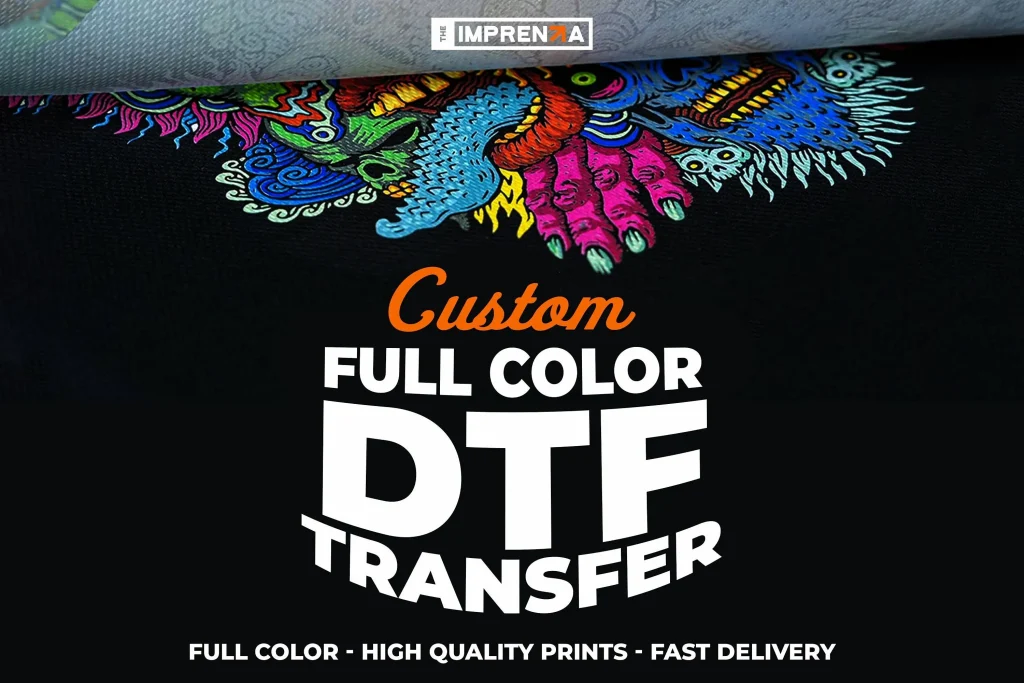
DTF Transfers, or Direct-to-Film transfers, are revolutionizing the landscape of custom apparel printing, offering unparalleled versatility and efficiency. Unlike traditional methods such as screen printing, DTF technology allows for vibrant and detailed prints to be applied to a wide variety of materials, from cotton to polyester. As brands search for innovative screen printing alternatives, DTF emerges as a sustainable printing method that minimizes waste while still delivering high-quality results. With the demand for personalized apparel on the rise, businesses are increasingly turning to DTF transfers to meet consumer expectations for unique, custom designs. In this article, we delve deeper into how DTF transfers are setting new standards in the custom apparel market.
Direct-to-Film printing, often referred to as DTF technology, is gaining traction as a transformative solution in the arena of custom clothing production. This modern printing approach is distinguished by its ability to transfer intricate designs onto garments efficiently, providing a viable alternative to conventional screen printing methodologies. As the industry shifts towards more innovative sustainable printing methods, DTF offers an eco-friendly option that reduces material waste significantly. Brands aiming to elevate their custom apparel offerings are turning to this dynamic printing technique to cater to the unique preferences of today’s fashion-forward consumers. With its growing adoption, DTF is poised to play a pivotal role in shaping the future of apparel decoration.
The Benefits of DTF Transfers in Custom Apparel
DTF transfers provide numerous benefits that set them apart from traditional printing methods like screen printing and direct-to-garment printing. One of the standout advantages is the ability to produce high-quality prints quickly. Unlike screen printing, which can be labor-intensive and time-consuming due to the setup of screens, DTF printing eliminates much of this prep work. With this efficiency, businesses can take on multiple orders and cater to varying customer preferences without long wait times, thus boosting their overall productivity.
Additionally, the quality of DTF prints cannot be understated. The technology supports vibrant colors and intricate designs, ensuring that each piece of custom apparel is a showpiece. Users often report that the durability of DTF prints rivals and sometimes exceeds that of screen printing, meaning customers can enjoy their customized apparel for longer periods without fading or wearing down. This ensures customer satisfaction, leading to repeat business and word-of-mouth referrals.
DTF Technology vs. Traditional Methods
When comparing DTF technology to traditional screen printing, it’s essential to recognize the flexibility that DTF provides. Screen printing has limitations when it comes to the intricacy of designs; complex images with gradients can be challenging to print accurately. However, with DTF, these challenges diminish significantly. This technology allows for detailed and colorful designs to come to life effortlessly, opening up opportunities for artists and businesses to explore their creativity.
Furthermore, because DTF does not require the same extensive setup as screen printing, businesses can afford to take on smaller orders without the risk of significant waste. This aspect makes DTF printing particularly appealing for startups and small businesses trying to break into the market without committing to large-scale productions. It’s a flexible solution that accommodates a variety of business models and customer demands, promising a robust alternative to traditional printing methods.
Cost-Effectiveness of DTF Transfers
One of the most compelling reasons for businesses to adopt DTF printing is its cost-effectiveness. Traditional screen printing typically requires a minimum order quantity, leading many businesses to overestimate their needs and create surplus inventory, which can become a financial burden. Conversely, with DTF technology, businesses have the freedom to print lower quantities at a viable cost, making it possible to cater to niche markets without incurring excessive overhead.
This method’s affordability allows smaller brands to thrive, as they can offer personalized apparel without the high investment usually associated with custom printing. By enabling producers to work on a just-in-time basis, DTF not only saves money but also aligns with modern consumers’ growing preference for unique, one-of-a-kind pieces, ultimately fostering creativity in product offerings.
Sustainable Printing with DTF Technology
Sustainability in manufacturing is a crucial consideration for many consumers today, and DTF printing rises to meet these expectations. Traditional methods like screen printing generate a significant amount of waste from screens, inks, and materials. In contrast, DTF transfers produce less waste overall. The absence of screens and the potential for reusing film materials directly contributes to a lower environmental impact, making DTF a favorable alternative for eco-conscious brands.
By adopting DTF technology, custom apparel businesses can not only fulfill their customers’ desire for unique items but also promote responsible production practices. As the demand for sustainable goods continues to grow, companies utilizing DTF printing can bolster their green credentials while appealing to a market increasingly concerned with environmental issues. This proactive approach places businesses in a strong position to engage with ethically minded consumers.
The Growing Popularity of DTF Printing
The rise of DTF transfers marks a significant trend in the custom apparel industry. Reports predict substantial market growth as more companies incorporate DTF printing into their operations, driven by increasing consumer demand for personalized apparel. This technology is not just a passing phase; it’s becoming a crucial player in reshaping the landscape of custom printing as brands seek ways to differentiate themselves in a crowded marketplace.
The accessibility of DTF technology, along with its myriad advantages, suggests that it will remain at the forefront of apparel printing innovations. As companies recognize the potential of DTF to deliver on both quality and sustainability, it’s likely that the market share for DTF will continue to expand, securing its place as a fundamental component of the future of custom apparel.
User Experience with DTF Printing
User-friendliness is a pivotal aspect of DTF printing technology that enhances its appeal to businesses. Many modern DTF printers are designed with intuitive interfaces and simplified controls, making them accessible even to operators with minimal experience. This ease of use eliminates barriers to entry, allowing new businesses to adopt this innovative printing method without extensive training or expertise.
For established businesses, the user-friendly nature of DTF printing means that they can quickly integrate this technology into their existing operations, thereby streamlining production processes. With these machines often equipped to handle various media types, operators can experiment with different fabrics and approaches without worrying about complicated technical limitations, effectively broadening their creative potential in custom apparel printing.
Frequently Asked Questions
What are DTF Transfers in custom apparel printing?
DTF transfers, or Direct-to-Film transfers, involve printing designs onto a special film that is heat-pressed onto garments. This innovative custom apparel printing method enhances creativity and versatility, allowing businesses to produce high-quality prints across various materials.
How do DTF Transfers compare with screen printing alternatives?
DTF transfers provide significant advantages over screen printing, including reduced setup time, no minimum order quantities, and the ability to print multiple colors in one pass. This makes DTF technology a cost-effective and efficient option for businesses seeking quality custom apparel printing.
What makes DTF technology a sustainable printing method?
DTF printing is considered a sustainable printing method because it minimizes waste by eliminating the need for screens and enabling reusability of excess film materials. This approach aligns with environmental principles and reduces the overall ecological footprint of custom apparel printing.
Can DTF Transfers be used on different types of fabrics?
Yes, DTF transfers are versatile and can be applied to a wide range of fabrics, including cotton, polyester, and fabric blends. This adaptability makes DTF printing an ideal choice for various garments, from t-shirts to jackets, catering to diverse customer needs.
What quality can be expected from DTF printing technology?
DTF printing delivers vibrant colors and high-quality finishes that often rival those achieved through screen printing and DTG methods. It captures intricate details and gradients, providing businesses with the ability to produce realistic images and complex designs that meet consumer expectations.
What are the future projections for DTF printing in the custom apparel market?
The DTF printing market is expected to witness significant growth as more custom apparel companies adopt this technology. The increasing demand for personalized and unique apparel is driving this trend, positioning DTF transfers as a crucial component in the future landscape of custom apparel printing.
| Aspect | Key Points |
|---|---|
| Efficiency and Versatility | Allows for quicker turnaround with multiple colors printed in one pass, adaptable to various materials. |
| Quality Improvements | Produces vibrant colors and high-quality finishes, capturing intricate designs effectively. |
| Cost-Effective Solutions | Enables smaller print runs without high minimum order requirements, ideal for startups. |
| Sustainability Aspect | Minimizes waste compared to traditional methods; features reusable materials. |
| Adoption and Market Growth | Growing demand for personalized apparel drives market adoption of DTF printing. |
| User-Friendly Technology | Simplicity of modern DTF printers makes technology accessible to all levels of users. |
| Innovation in Inks and Processes | Advanced inks developed for durability and washability, enhancing product longevity. |
Summary
DTF transfers are revolutionizing the landscape of custom apparel printing. This cutting-edge technology not only streamlines the printing process but also enhances the quality of prints while being eco-friendly and cost-effective. With the growing demand for personalized garments, DTF transfers provide businesses the flexibility to meet consumer expectations and stand out in a competitive market. As technological advancements continue, the future of DTF printing promises even greater innovations, solidifying its importance within the custom apparel industry.