
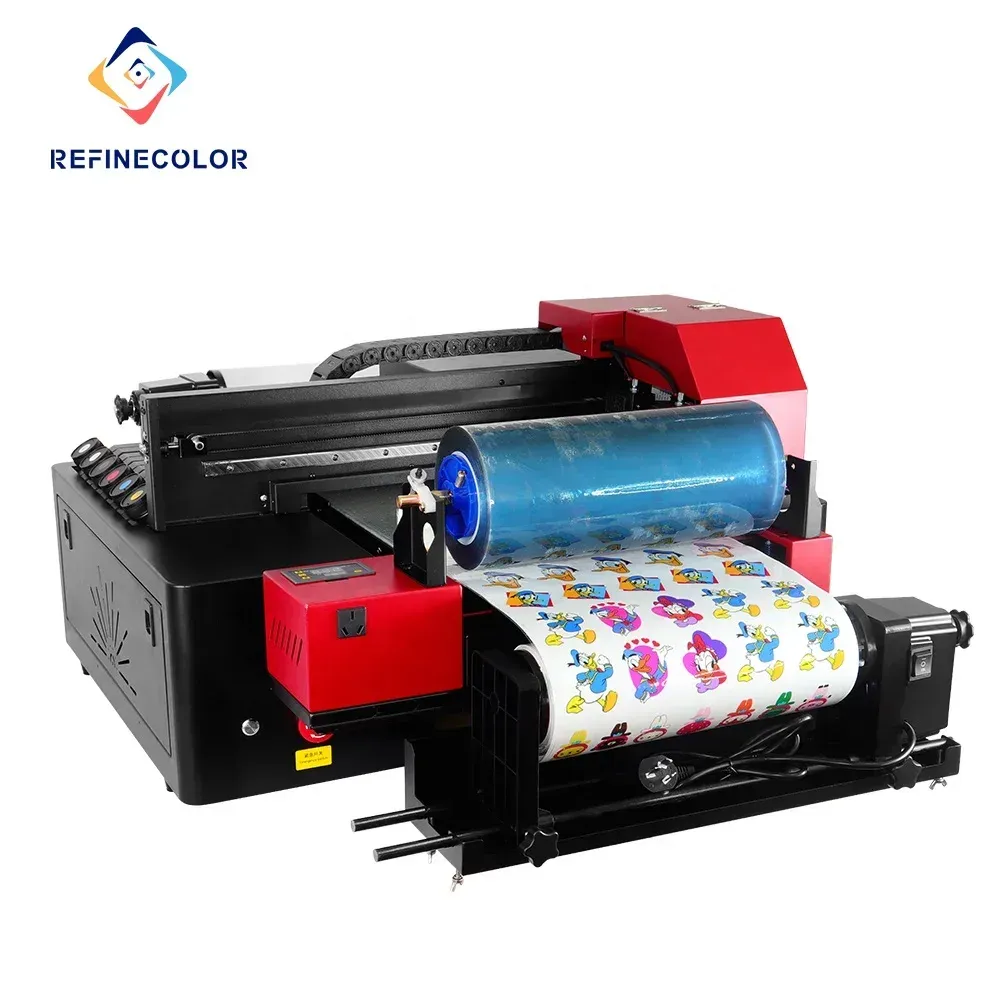
In the rapidly advancing landscape of printing technology, **UV DTF** (Direct to Film) is emerging as a game-changer that outshines traditional printing methods. Leveraging UV printing technology, this modern approach not only enhances printing efficiency but also delivers exceptional print quality that captivates consumers and businesses alike. As industries shift towards greener solutions, the environmental impact of printing becomes increasingly important, making UV DTF an appealing choice for sustainable practices. This article will dive into a detailed print quality comparison, exploring the benefits of UV DTF over its conventional counterparts. Join us as we unravel the nuances of these printing techniques and determine which method may best serve your needs in today’s eco-conscious world.
Exploring the latest in printing innovation, UV Direct to Film (DTF) printing provides a fresh alternative to time-honored techniques that have dominated the industry for years. Known for its ability to produce vibrant images on a diverse range of substrates, this technique offers a stark contrast to conventional methods such as screen and offset printing. By examining how these two categories differ in terms of efficiency, quality, and environmental friendliness, businesses can make informed decisions tailored to their operational goals. The discussion extends beyond mere aesthetics, as we consider the implications of printing processes on sustainability and waste reduction. Prepare to uncover the exciting possibilities that UV DTF brings to the table in the ever-evolving world of print.
Understanding UV DTF Technologies
UV Direct to Film (DTF) printing utilizes advanced technology that harnesses ultraviolet light to cure inks instantaneously as they are applied. This method enables incredibly rapid printing processes, eliminating lengthy drying times typically associated with traditional methods. Additionally, UV DTF offers unmatched versatility, allowing it to print on a wide variety of substrates—ranging from textiles and paper to rigid materials like wood and metal. This adaptability is vital in today’s dynamic market, where businesses often require unique prints on non-standard materials to meet customer demands.
The technology behind UV DTF is built on innovative ink compositions that not only provide vibrant colors but also achieve superior adhesion to diverse surfaces. Unlike traditional ink methods that may rely heavily on solvents and longer drying times, UV DTF enhances productivity without compromising print integrity or quality. This means businesses can cater better to customization requests and produce eye-catching designs essential for effective branding.
Quality Comparison: UV DTF vs. Traditional Methods
When comparing print quality across various methods, UV DTF stands out for its ability to produce richly colored and detailed prints. The UV curing process ensures that colors remain vibrant and do not fade as quickly over time, which is essential for items that are meant to last, like promotional materials and apparel. In contrast, traditional printing methods, such as screen printing and offset printing, can sometimes struggle with intricate details or color saturation, leading to inconsistencies that can adversely affect brand perception.
The durability of UV DTF printed outputs is another key advantage. As printed materials often face exposure to sunlight, moisture, and wear, the long-lasting nature of UV inks can significantly enhance the lifecycle of printed goods, reducing the need for frequent reprints. Businesses that prioritize quality will find that UV DTF efficiently meets their needs, offering impressive results that can enhance overall product appeal and customer satisfaction.
Efficiency and Turnaround Times in Printing
In the fast-paced world of print production, efficiency is critical. UV DTF printing technology generally offers superior turnaround times compared to traditional printing methods. With the integrated curing process, prints can be utilized almost immediately after printing, vastly reducing delays and allowing companies to respond quicker to client requests and changing market demands. This rapid production capability is crucial for small businesses and startups that need to make a mark quickly.
Moreover, the efficiency of UV DTF translates into significant cost savings for producers. Although the initial setup might require a larger investment compared to traditional methods, the reduced waste and labor time lead to lower operational costs over time. This dynamic is particularly beneficial for businesses that often handle customized orders; the agility of UV DTF means they can fulfill unique client orders without incurring substantial additional expenses.
Environmental Impact of Printing Techniques
As sustainability becomes increasingly vital in the print industry, the environmental impact of printing methods is a crucial consideration. UV DTF printing utilizes fewer solvents compared to many traditional methods, minimizing the release of volatile organic compounds (VOCs) into the environment. This reduced chemical usage directly correlates with a lower ecological footprint, making UV DTF an attractive option for environmentally conscious businesses.
In contrast, traditional printing practices, which often involve solvent or water-based inks, can result in significant waste and pollution. The drying process in these methods can also consume more energy and time, further increasing their environmental impact. As consumers continue to prioritize sustainability, adopting UV DTF may not only boost a company’s reputation but also align it with emerging eco-friendly trends in printing.
Current Market Trends in UV DTF Printing
Recent market analysis indicates a growing trend towards UV DTF printing as businesses seek innovative solutions for high-quality outputs. As demand for customization increases, UV DTF’s ability to produce vivid and detailed prints on a variety of materials aligns perfectly with market desires. Companies that embrace this technology can differentiate themselves in a crowded space, appealing to consumers who are ever more discerning about quality and uniqueness.
Furthermore, the capabilities of UV DTF are being continuously enhanced through technological advancements. This ensures sustained growth in demand, as manufacturers strive to meet rising customer expectations for quick turnaround and high-quality outputs. Businesses adopting these trends can stay competitive and address the needs of an evolving market focused on innovation and adaptability.
Choosing the Right Printing Method for Your Business
Selecting the optimal printing method is pivotal for any business, and understanding the strengths of UV DTF compared to traditional methods is essential in that decision-making process. UV DTF presents exceptional benefits in terms of versatility, print quality, and efficiency, making it an ideal choice for companies that prioritize unique designs and fast production times. Conversely, businesses with specific needs that align more closely with traditional methods may still find value in these older techniques; it truly depends on the specific applications they require.
Ultimately, it’s crucial for businesses to evaluate their objectives, budgetary constraints, and desired outcomes when deciding on a printing method. As the industry continues to innovate and adapt, staying informed about the latest advances in both UV DTF and traditional printing methods will allow businesses to make strategic choices that align with their long-term goals and values.
Frequently Asked Questions
What are the main advantages of UV DTF printing over traditional printing methods?
UV DTF printing offers several advantages over traditional printing methods, including superior print quality with vibrant colors, faster production speeds due to its integrated drying process, and the ability to print on a wide range of materials without compromising quality. Additionally, UV DTF is more environmentally friendly as it typically uses fewer hazardous solvents.
How does the print quality of UV DTF compare to traditional printing methods?
When it comes to print quality, UV DTF printing excels with its UV curing technology that ensures vivid and durable prints resistant to fading. In contrast, traditional methods like screen printing can struggle with fine details, while offset printing, though high quality for bulk runs, has longer setup times. For intricate designs, UV DTF stands out as the superior choice.
What impact does UV DTF printing have on production efficiency compared to traditional printing methods?
UV DTF printing greatly enhances production efficiency by providing faster turnaround times, as prints are cured instantly during the printing process. This reduces waiting times associated with drying in traditional methods, allowing businesses to adapt quickly to customer demands and lower operational costs due to minimized labor and waste.
Is UV DTF printing a more environmentally friendly option than traditional printing methods?
Yes, UV DTF printing is considered more environmentally friendly than many traditional printing methods. It utilizes UV inks that require fewer hazardous materials and solvents compared to solvent-based inks used in traditional printing, leading to less chemical waste and a reduced environmental impact.
What materials can be used with UV DTF printing that might not work with traditional printing methods?
UV DTF printing can accommodate a broader range of substrates, including rigid materials like wood, ceramics, and metals, which traditional methods may struggle to print on without specialized treatments. This versatility allows businesses to cater to diverse customer needs and expand their service offerings.
What trends are currently influencing the adoption of UV DTF printing in the market?
Current market trends show a growing demand for UV DTF printing as businesses seek higher quality, quick turnaround, and diverse applications. As customization becomes increasingly important, UV DTF’s ability to meet unique project requirements positions it well for companies aiming to stay competitive in the evolving print landscape.
| Key Points | UV DTF Printing | Traditional Printing Methods |
|---|---|---|
| Technology and Process | Utilizes UV light for instant curing; versatile on various substrates. | Includes methods like screen, offset, and flexography; specific applications and longer setup times. |
| Quality and Versatility | Creates vibrant, durable prints across a wide range of materials. | Struggles with fine details; limited material compatibility. |
| Efficiency and Production Speed | Faster production with immediate drying and lower labor costs. | Longer drying times and potential higher operational costs for small runs. |
| Environmental Considerations | Lower solvent usage, more eco-friendly practice. | Higher chemical waste from solvent-based inks; greater environmental impact. |
| Market Trends | Rising demand for UV DTF due to quality and customization options. | Traditional methods still valued but at risk of declining in popularity. |
Summary
UV DTF printing offers a modern and efficient alternative to traditional printing methods, providing businesses with superior print quality, versatility across various materials, and a faster production speed. This technology’s eco-friendliness further enhances its appeal in an increasingly environmentally-conscious market. As the demand for customization and high-quality prints continues to grow, UV DTF stands out as a highly competitive and sustainable option that aligns with contemporary printing needs.