
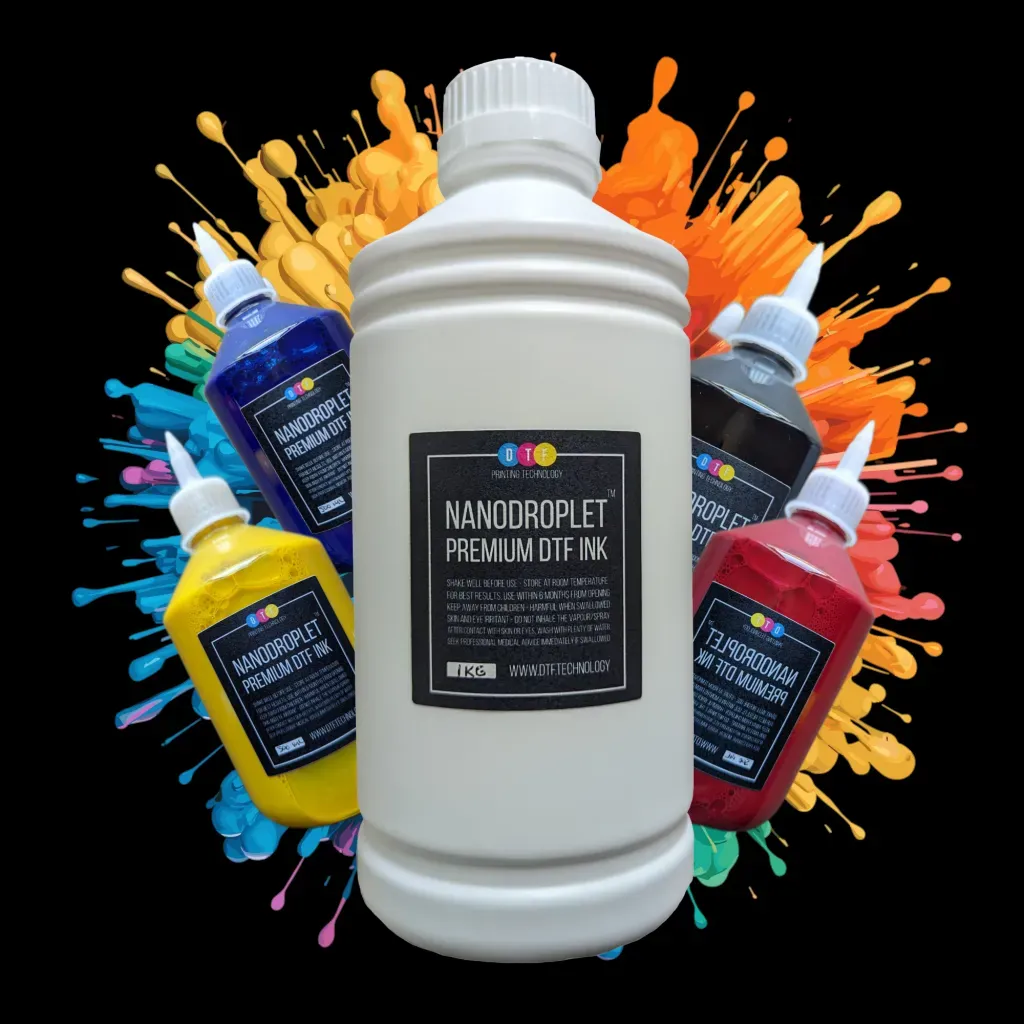
DTF technology, or Direct-to-Film printing, is revolutionizing the textile and apparel industry with its innovative approach to printing designs directly onto film before transferring them onto fabric. Unlike traditional printing methods, DTF technology offers several DTF printing advantages, including vibrant color reproduction and the ability to print on a wide variety of materials, from cotton to polyester blends. This adaptability is a boon for custom apparel printing, allowing businesses to meet diverse customer demands with ease. Additionally, DTF printing is increasingly viewed as a sustainable printing option, utilizing less water and reducing waste compared to conventional methods. As the popularity of this textile printing technology grows, understanding its capabilities becomes essential for businesses looking to stay competitive in the evolving market.
Direct-to-Film (DTF) printing offers an exciting advancement in the realm of fabric decoration and customization. This innovative technique allows decorators to transfer vibrant designs onto textiles, making it ideal for diverse applications, including custom apparel and promotional items. By enabling high-quality prints that are durable and cost-effective, the DTF process has quickly gained traction among retailers and small businesses seeking innovative textile printing solutions. Furthermore, as the emphasis on sustainable practices in printing increases, this method aligns well with eco-friendly objectives, using minimal resources while still delivering exceptional results. With the rapid evolution of printing technologies, exploring DTF could be pivotal for businesses aiming to thrive in the competitive landscape.
Understanding the Basics of DTF Technology
Direct-to-Film (DTF) technology is a cutting-edge method that revolutionizes the textile printing landscape. It allows businesses to transfer vivid images and designs onto various fabric types by utilizing a specialized film. The process involves printing designs in reverse on a film medium, applying adhesive powder, and then using heat to transfer these designs onto the fabric. This innovative technology stands out for its compatibility with a wide range of textiles, including cotton, polyester, and blends, making it a go-to choice for custom apparel printing.
In contrast to traditional methods like Direct-to-Garment (DTG) printing, which primarily targets garments made from 100% cotton, DTF technology boasts broader applicability. This versatility enables manufacturers to cater to diverse market needs, accommodating different fabric preferences without compromising the print’s quality or durability. As a result, DTF technology has gained traction among print service providers looking for efficient and high-quality options in the competitive apparel market.
Key Advantages of DTF Printing
One of the most prominent advantages of DTF printing is its unparalleled versatility. Unlike other printing techniques that may be restricted to specific materials, DTF can be applied to an extensive array of fabrics, including those that are traditionally challenging to print on. This flexibility allows businesses to diversify their product offerings, presenting consumers with a multitude of choices in custom apparel, promotional merchandise, and more, enhancing customer satisfaction and driving sales.
Moreover, DTF printing is recognized for its cost-effectiveness, particularly for small to medium production runs. While conventional methods like DTG can incur high costs due to setup and material limitations, DTF effectively reduces these overheads. By streamlining the printing process and minimizing waste, businesses can achieve high-quality results without stretching their budgets, making DTF an attractive option for both startups and established enterprises looking to optimize production efficiency.
Sustainability in DTF Technology
Sustainability is central to the future of printing, and DTF technology significantly stands out in this aspect. The process typically consumes less water and energy compared to traditional dyeing and printing methods, aligning perfectly with the growing emphasis on eco-friendly practices within the textile industry. By reducing waste and utilizing less harmful inks, DTF technology presents a compelling case for businesses seeking to minimize their environmental footprint while still delivering stunning custom designs.
Furthermore, the reduced reliance on water and chemical treatments not only helps in conserving vital resources but also positions DTF technology as a responsible choice for environmentally-conscious businesses. By adopting sustainable printing practices, companies can appeal to a consumer base that increasingly prioritizes eco-friendly products, thus enhancing brand reputation and customer loyalty while contributing positively to the environment.
Emerging Trends in DTF Printing
Recent market trends indicate that DTF printing is not just a passing fad; it’s becoming an integral part of the digital textile printing landscape. As online shopping continues to surge, e-commerce platforms are leveraging DTF technology to meet rising consumer demands for personalized and unique apparel. This growing trend points to a significant shift in how businesses approach production, with DTF enabling rapid turnaround times and customization that resonate with fashion-forward customers.
Additionally, advancements in DTF printing equipment further highlight this trend. Innovations are leading to printers that deliver high-resolution prints at faster speeds, making it easier for businesses to fulfill orders quickly and efficiently. With industry leaders investing in enhancing DTF technology, it is poised for substantial growth, ensuring that businesses can stay ahead of the curve in a fast-evolving market.
Challenges in DTF Printing
Despite its numerous benefits, DTF printing is not without its challenges. One of the primary concerns is the need for specialized inks and films, which can present a significant financial barrier for new businesses entering the market. While these materials are essential for achieving high-quality outputs, the initial investment can deter startups focusing on building competitive offerings.
In addition, some users have reported challenges with the adhesives utilized in the DTF process. If not applied correctly, these adhesives can lead to prints that do not adhere well to certain fabrics, affecting the overall quality and durability of the prints. To overcome these obstacles, businesses must invest not only in quality materials but also in training their staff, ensuring that they achieve optimal results with DTF technology.
Future of DTF Technology in the Apparel Industry
Looking ahead, the future of DTF technology appears promising as businesses increasingly recognize its potential within the custom apparel market. Its ability to deliver high-quality prints on a variety of materials, combined with its cost efficiency and sustainable practices, positions DTF as a frontrunner in the competitive landscape of textile printing technology. As consumer preferences evolve, DTF technology is likely to remain relevant, catering to the ever-growing demand for personalization in fashion and apparel.
Moreover, ongoing advancements in printing technology and equipment are expected to drive further enhancements in quality and speed for DTF processes. As manufacturers continue to innovate, it’s anticipated that DTF technology will become even more accessible and user-friendly, allowing companies of all sizes to harness its capabilities. With a focus on quality, sustainability, and consumer satisfaction, DTF technology is well-poised to shape the future of apparel printing.
Frequently Asked Questions
What is DTF Technology and how does it work?
DTF Technology, or Direct-to-Film printing, is a revolutionary method that transfers designs from a special film onto various fabrics using heat and pressure. This technique allows for vibrant colors, intricate designs, and durability, making it suitable for a wide range of textiles, including cotton and blends.
What are the advantages of DTF printing over traditional methods?
DTF printing offers several advantages, including its versatility across various materials, cost-effectiveness for small production runs, and a simplified workflow that doesn’t require polyester-based fabrics. These benefits make DTF a superior choice for businesses in custom apparel and promotional items.
How does DTF technology contribute to sustainable printing practices?
DTF technology supports sustainable printing by using less water and minimizing ink waste compared to conventional dyeing methods. This eco-friendly approach appeals to businesses and consumers aiming to reduce their environmental impact within the textile industry.
Can DTF technology be used for custom apparel printing?
Absolutely! DTF technology is highly effective for custom apparel printing, allowing businesses to create personalized designs on a variety of fabrics, including both natural and synthetic materials. This flexibility makes DTF ideal for custom t-shirts, hoodies, and other wearable merchandise.
What challenges do businesses face when adopting DTF printing?
While DTF printing boasts many benefits, challenges include the need for specialized inks and films, which can be costly. Additionally, some users may experience issues with adhesives not adhering well to all fabric types, necessitating proper application techniques and potential training.
What advancements in equipment are enhancing DTF technology?
Recent advancements in DTF printing equipment include improved print resolutions and faster production rates, thanks to innovations from industry leaders like Epson and Brother. These enhancements are making DTF technology more accessible and efficient for businesses of all sizes.
| Key Points | Details |
|---|---|
| What is DTF Technology? | A modern printing process that transfers designs from a special film to fabric using heat and pressure. |
| Advantages | 1. Versatility: Can be applied to various textile materials. 2. Cost-Effectiveness: Economical for lower production volumes. 3. Simplified Workflow: Not limited to polyester, enhancing adaptability. |
| Market Trends | The global DTF printing market is growing due to e-commerce and personalized product demand. |
| Equipment Advancements | High-quality printers with improved resolution and faster speeds are being developed, making DTF technology more accessible. |
| Sustainability | DTF uses less water and minimizes ink waste, appealing to eco-friendly consumers. |
| Challenges | High initial costs for inks and films; potential issues with adhesive performance on various fabrics. |
Summary
DTF Technology is revolutionizing the printing landscape by providing a cutting-edge solution for applying designs onto textiles. This innovative process enables businesses to efficiently produce high-quality prints on a wide range of materials, thus catering to varied customer needs while maintaining cost-effectiveness. As sustainability becomes increasingly vital in the industry, DTF technology stands out by reducing waste and water usage, aligning with eco-conscious values. Understanding the nuances, benefits, and challenges of DTF technology is essential for industry players aiming to leverage this powerful tool in creating customized apparel and products, ensuring they remain competitive in a rapidly evolving market.