
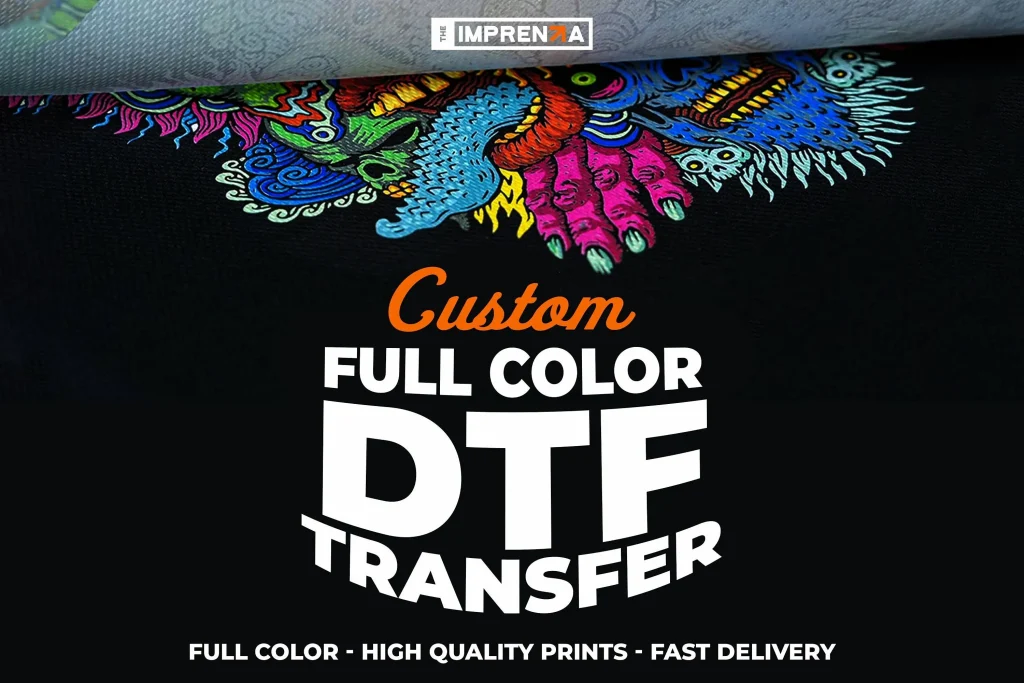
DTF transfers, or Direct-to-Film transfers, have revolutionized the world of custom apparel printing by providing a unique and efficient method for applying designs to fabrics. This innovative printing technique allows for vibrant colors and intricate details, making it increasingly popular among fashion brands and entrepreneurs alike. By utilizing cutting-edge DTF printing techniques, creators can achieve high-quality results with ease, surpassing traditional methods. Understanding the DTF transfer process is crucial for success, as it involves essential steps, such as printing on special DTF films and utilizing heat for application. In this blog, we will explore the various facets of DTF transfers, ensuring that you are equipped with the knowledge needed to excel in this dynamic market.
Direct-to-Film printing, also recognized as DTF technology, serves as a transformative solution in the realm of custom garment printing. This advanced method enables designers and businesses to transfer stunning images onto textiles, enhancing their product lines effectively. With DTF printing gaining traction, it’s essential to comprehend the multi-step process involved in delivering superior quality prints. As we delve into the nuances of DTF transfer applications, we will uncover best practices and the importance of selecting the right materials to achieve outstanding results. Join us as we journey through the exciting developments in DTF printing that are shaping the future of apparel customization.
Understanding Direct-to-Film Printing
Direct-to-Film (DTF) printing is an innovative technology that has revolutionized the custom apparel industry. This process allows for highly detailed prints to be transferred onto various materials, making it an excellent choice for fashion entrepreneurs and artists alike. The DTF transfer involves several crucial steps, beginning with printing designs on specialized films. After printing, an adhesive powder is added, which is activated with heat to bond the design to the fabric. This technique stands out for its ability to produce vibrant and durable prints that can withstand multiple washes, enhancing the longevity of the apparel.
Moreover, DTF printing’s versatility cannot be overstated. It accommodates a wide range of materials, including cotton, polyester, and blends, thereby allowing for greater creativity and customization in designs. The growing popularity of this method can be attributed to its simplicity in setup and the minimal financial investment required for small businesses to get started. As a result, DTF printing expands opportunities for new entrants in the custom apparel market.
The DTF Transfer Process Unveiled
The DTF transfer process involves multiple stages that, when executed correctly, produce high-quality results. Initially, the design is printed on a special film using high-quality DTF inks. This is followed by the application of a powder adhesive, which is crucial for ensuring a strong bond between the print and the fabric. Once these preparations are complete, a heat press is used to activate the adhesive, seamlessly applying the design onto the clothing. This step is where precision is vital; both temperature and pressure settings need to be regulated meticulously to enhance adhesion and print quality.
Another critical phase in the DTF transfer process is the choice of materials. High-quality DTF inks and films not only impact the vibrancy of the prints but also their durability. Manufacturers like Epson and Ricoh are frequently recommended for their reliable printers that produce sharp and consistent results. Understanding the nuances of the DTF transfer process allows designers and business owners to achieve outstanding quality in their products, setting their brands apart in a competitive market.
Expert Tips for Success in DTF Printing
Success in DTF printing revolves around continuous learning and adaptation. Engaging with the community of DTF practitioners can provide insights into emerging techniques and materials that enhance print quality. One expert tip is to perform regular test runs on different fabric types, as each may respond differently to heat and adhesive. By conducting these tests, individuals can determine the ideal heat press settings, improving the overall quality of their prints.
Additionally, staying informed about market trends is pivotal for businesses aiming to thrive in the world of custom apparel. With the increasing demand for personalized products, keeping an eye on consumer preferences and new technology trends can help businesses optimize their DTF printing strategies. By adapting to the evolving landscape, entrepreneurs can ensure they meet customer needs while maintaining a high standard of quality in their apparel.
Choosing the Right Equipment for DTF Printing
Investing in the right equipment is crucial for achieving success in DTF printing. Selecting a reliable printer is one of the first steps; well-regarded brands like Epson provide high-quality options that produce crisp prints. Beyond the printer, the quality of DTF films and inks cannot be overlooked, as these elements significantly affect print adhesion and durability. Smaller businesses might find it advantageous to purchase all-in-one packages that include a DTF printer, films, and inks to simplify their startup process.
Moreover, proper maintenance of printing equipment enhances performance and extends its lifespan. Routine checks on the printer and heat press ensure that they operate efficiently, preventing common issues that can arise from wear and tear. By prioritizing the selection of equipment and maintaining it diligently, businesses can maximize their investment, leading to more successful DTF transfers and, ultimately, greater customer satisfaction.
Market Trends and Innovations in DTF Printing
As we observe the evolving landscape of DTF printing, several market trends stand out. The increasing demand for custom apparel has led to innovations in printing techniques and materials, making it easier for businesses to create high-quality products on-demand. One notable trend is the growing popularity of short-run production capabilities, which allow companies to cater to niche markets and reduce waste—an attractive proposition in today’s environmentally conscious marketplace.
In addition, advancements in DTF technology are enabling greater color fidelity and faster production times. As equipment becomes more sophisticated, small business owners are finding it easier to offer vibrant and detailed designs without compromising quality. Keeping abreast of these innovations will help entrepreneurs leverage the latest advancements in DTF printing, ensuring they remain competitive while delivering exceptional products to their customers.
The Future of DTF Transfers in Custom Apparel
The future of DTF transfers is bright, as this technology continues to influence the custom apparel industry significantly. With its blend of quality and flexibility, DTF printing is becoming a go-to method for apparel brands looking to offer personalized products at scale. As techniques improve and customer expectations evolve, DTF transfers are positioned to become a standard practice in apparel manufacturing.
Moreover, the potential for innovation in DTF materials and processes is vast. Companies that invest in research and development may discover new formulas that enhance print durability and vibrancy, meeting growing consumer demands for high-quality apparel. As we look ahead, DTF technology promises to unlock new design possibilities and production techniques, making it a crucial component of the future of customized clothing.
Frequently Asked Questions
What is the DTF transfer process in custom apparel printing?
The DTF transfer process in custom apparel printing involves printing designs onto specialized DTF films, applying an adhesive powder, and then using heat to transfer the design onto fabrics. This multi-step process results in vibrant and durable prints on various materials like cotton and polyester.
How does Direct-to-Film printing differ from traditional methods?
Direct-to-Film (DTF) printing differs from traditional methods by allowing for more intricate designs with easier setup and equipment requirements. DTF technology enables high-quality prints that adhere well to a range of fabrics, making it an ideal option for custom apparel printing.
What are the key technical requirements for successful DTF printing?
Successful DTF printing requires selecting the right printer, using high-quality DTF films, employing specialized DTF inks, and mastering pressing techniques. These factors significantly affect the overall quality and durability of the DTF transfers.
Why is the selection of DTF films important for quality prints?
Choosing high-quality DTF films is crucial for successful DTF transfers as inferior films may result in poor adhesion, fading, or peeling of the prints. High-quality films ensure strong and lasting designs on the final apparel products.
What maintenance tips should I consider post-DTF transfer?
Post-DTF transfer maintenance includes advising customers to wash garments inside out in cold water, which helps maintain the vibrancy and longevity of the DTF designs. Regular testing and refinement of heat press settings are also recommended.
What market trends are currently influencing the demand for DTF transfers?
Current market trends show an increasing demand for DTF transfers, particularly among small businesses and e-commerce platforms. The flexibility of DTF printing allows for short production runs, catering to niche markets and enhancing customization options.
| Key Point | Description |
|---|---|
| What is DTF Transfer? | DTF (Direct-to-Film) transfer is a printing technology that involves printing designs on special films, applying adhesive powder, and using heat to transfer vibrant designs onto various fabrics. |
| Growing Popularity | DTF printing is gaining traction among small business owners due to its ease of use and lower initial investment compared to traditional printing methods, making it ideal for the competitive custom apparel market. |
| Technical Aspects | Key components include printer selection (preferably Epson or Ricoh), high-quality films, correct ink usage, and proper pressing techniques to ensure flawless prints. |
| Finishing Process | Post-transfer steps are crucial for quality, including effective heat application, testing for consistency, and advising customers on care for longevity of designs. |
| Expert Tips | Regular test runs on different fabric types and staying updated on market trends are critical for improving DTF printing processes. |
| Market Trends | The future of DTF transfers looks promising with an increase in demand and innovations expanding customization options within the textile industry. |
Summary
DTF Transfers revolutionize the custom apparel landscape by providing a unique blend of quality and flexibility in garment decoration. This innovative printing technology enables creators to achieve high-quality designs with ease, catering to both small businesses and established brands alike. As demand grows and technology advances, DTF Transfers are poised to become a standard method in the textile industry, making it essential for entrepreneurs to master this technique to stand out in the competitive market.