
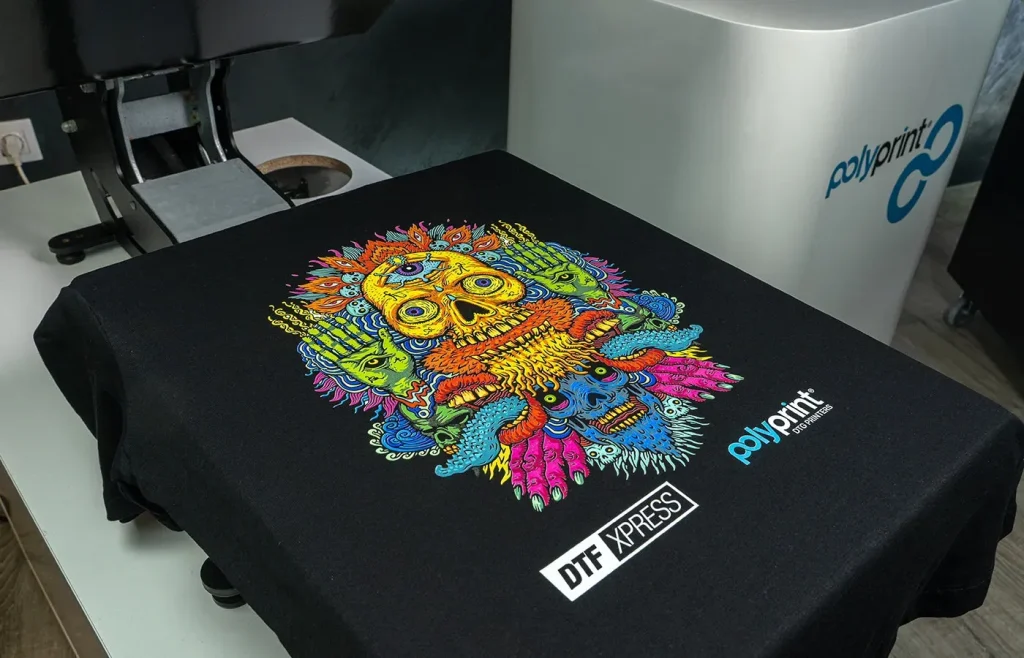
DTF printing, or Direct-to-Film printing, is reshaping the landscape of custom apparel printing by offering an unparalleled method for transferring vibrant designs onto various fabrics. Unlike traditional techniques, the DTF printing process allows designers to achieve remarkable detail and color accuracy, transforming their visions into reality with ease. This innovative approach not only enhances the quality of the prints but also optimizes production efficiency, making it a preferred choice for businesses entering the booming custom printing market. From fashion startups to established brands, understanding the DTF printing benefits can provide valuable insights into how to stand out in a crowded marketplace. In this guide, we will delve deeper into the essentials of getting started with DTF, ensuring you have the knowledge to fully leverage this exciting technology.
Also known as Direct-to-Film printing, this modern technique allows creative minds the freedom to produce custom designs effortlessly. By utilizing cutting-edge technology, this printing method directly transfers intricate images onto fabrics and materials, ensuring vibrant and long-lasting results. The DTF printing process is characterized by its versatility across different substrates, making it ideal for a wide array of custom apparel applications. This approach offers numerous advantages, including reduced production costs and enhanced detail quality, which are vital in today’s competitive print market. With an increasing number of resources available for beginners, getting acquainted with DTF has never been easier, opening doors for budding entrepreneurs in the world of custom printing.
Overview of DTF Printing Benefits
DTF printing presents a multitude of benefits that enhance the custom apparel printing experience. One of the most significant advantages is the variety of materials it can print on, including cotton, polyester, and various blends. This versatility not only expands creative possibilities for designers but also provides businesses with the flexibility to meet diverse customer demands. Whether creating t-shirts, hoodies, or promotional items, DTF printing can adapt to various fabrics without compromising quality.
In addition to its compatibility with different substrates, DTF printing is renowned for its high detail quality. The advanced techniques employed in the DTF process allow for the reproduction of intricate designs and sharp colors that stand out on apparel. Unlike traditional printing methods, which might struggle with detailed graphics, DTF ensures that every aspect of the design is preserved and vibrant, appealing to both consumers and producers eager to showcase unique creations.
The DTF Printing Process Simplified
Understanding the DTF printing process is essential for anyone wishing to embark on this innovative adventure. The process begins with creating a design using graphic software, where designers can unleash their creativity. Once the design is finalized, it is printed onto a specialized film using DTF printers that utilize water-based inks. This step is crucial as the quality of inks directly impacts the outcome of the final print.
After printing, a powdered adhesive is applied to the wet ink and cured to activate its sticky properties. This adhesive plays a vital role in ensuring that the ink bonds effectively with the substrate during the heat transfer process. Finally, the design is heat-transferred onto the fabric to create a long-lasting and durable print. Each stage of this process highlights the efficiency and innovative nature of DTF printing compared to other methods.
Essential Equipment for DTF Printing
To successfully start with DTF printing, it’s essential to gather the right equipment. The core piece of equipment is a DTF printer, which can vary significantly in size and capability depending on the scale of your operation. Whether you opt for a compact, home-use model or a larger commercial unit, selecting a reliable printer that meets your specific needs is vital to achieving high-quality results.
In addition to a printer, investing in a quality heat press is crucial. This tool is not only necessary for transferring designs onto fabrics effectively but also ensures that the prints are durable enough to withstand regular wear and washing. Other essential supplies include DTF films and adhesives that are compatible with your printer model. Stocking quality materials will significantly enhance your production capabilities and design outcomes.
Getting Started with DTF Printing: A Step-by-Step Guide
Getting started with DTF printing may seem daunting, but when broken down into manageable steps, it becomes a straightforward process. First, design your graphic using appropriate software, paying attention to the color palette and intricacies of the design. Once your design is finalized, move on to printing it on DTF film. This film is pivotal in transferring the design to the chosen substrate.
Following the printing phase, apply the powdered adhesive to the wet ink and cure it to ensure it is ready for the heat transfer. Having your heat press at the ready will speed up the final stages of the process. Position the film over the substrate and apply heat and pressure as recommended for optimal results. By following these steps methodically, anyone can successfully dive into the world of DTF printing.
Maximizing the Potential of DTF Printing
To fully capitalize on the capabilities of DTF printing, embracing best practices is crucial. This includes exploring various design techniques and utilizing vibrant color palettes that attract attention. When creating complex graphics, consider layering colors and utilizing transparency to achieve depth in your designs. This artistic approach can dramatically enhance the visual appeal of the final product, setting your offerings apart in a competitive market.
Moreover, conducting test prints on scrap materials allows you to assess the quality and durability of transfers before committing to a production run. This practice not only preserves resources but also ensures that the final products meet your quality standards. Staying updated with the latest trends and techniques in DTF printing can further bolster your creative endeavors and maintain your competitiveness in the ever-evolving custom printing industry.
Emerging Innovations in DTF Printing
The DTF printing landscape is continually evolving with innovations that redefine how businesses approach custom printing. Recent advancements, such as the introduction of A3 DTF printers, are making this technology more accessible to a broader audience. This democratization of printing technology opens doors for freelancers and small businesses looking to offer unique products without the heavy investment traditionally associated with commercial-grade printing equipment.
Furthermore, web-to-print services like Snuggle are enhancing the customer experience by streamlining the order and print process. This not only increases efficiency for businesses but also caters to the growing demand for fast and reliable services within the DTF market. As these innovations continue to emerge, they present exciting opportunities for creatives and entrepreneurs to thrive in the custom apparel printing industry.
Frequently Asked Questions
What is DTF printing and how does it work?
DTF printing, or Direct-to-Film printing, is a method that transfers ink from a film directly onto fabrics like cotton or polyester. The process involves printing a design onto a special film, applying an adhesive powder, and then using a heat press to bond the design to the substrate. This technique allows for vibrant, high-quality graphics.
What are the main benefits of DTF printing for custom apparel?
DTF printing offers several benefits, including the ability to print on various materials, high detail quality for intricate designs, reduced production costs through gang sheets, and user-friendly operation, making it ideal for businesses and entrepreneurs in custom apparel printing.
How do I get started with DTF printing?
To get started with DTF printing, you will need essential equipment such as a reliable DTF printer, a heat press, and compatible DTF films and adhesives. Familiarizing yourself with design software and best practices for transferring designs will also enhance your experience.
Can DTF printing be used on any fabric?
Yes, DTF printing is versatile and can be used on a variety of substrates, including cotton, polyester, and blends. This flexibility makes it suitable for many applications in the custom apparel printing sector.
What recent innovations are occurring in the DTF printing market?
Recent innovations in the DTF printing market include new compact A3 DTF printers, web-to-print services like Snuggle DTF, and advancements in large-format DTF technology. These developments are improving accessibility and the efficiency of DTF printing for businesses.
Are there educational resources available for beginners in DTF printing?
Yes, there are various educational resources available online for beginners in DTF printing. These include tutorial videos, guides, and community forums that offer valuable insights into the DTF printing process, helping newcomers to understand the technical and creative aspects.
| Key Point | Details |
|---|---|
| What is DTF Printing? | A process that transfers ink from film directly onto fabric, allowing for high-quality designs. |
| DTF Process Steps | 1. Design creation in graphic software 2. Print onto DTF film 3. Apply powdered adhesive 4. Heat press transfer onto substrate |
| Benefits of DTF Printing | – Versatile on various substrates – Produces high-detail quality graphics – Reduces production costs with gang sheets – User-friendly for small businesses |
| Recent Innovations | – A3 DTF printers for small businesses – Web-to-print services enhancing convenience – Large-format DTF technology investments boosting capacity |
| Getting Started Equipment | – Reliable DTF printer – Quality heat press – Compatible DTF films and adhesives |
| Best Practices | – Use vibrant colors and complex designs – Conduct test transfers on scrap fabric – Keep updated with industry trends |
Summary
DTF printing is an innovative method that is redefining the custom apparel market with its ability to produce vibrant, high-quality designs on various substrates. By understanding the concise DTF printing process and the essential equipment needed, individuals can successfully tap into this lucrative market. The benefits, including versatility, detail, and cost-effectiveness, make DTF printing an attractive choice for both budding entrepreneurs and seasoned professionals. As technology and educational resources continue to evolve, the potential for creative expression and business growth in the realm of DTF printing becomes even more accessible. Now is the perfect time to embrace DTF printing and showcase your creative ideas.