
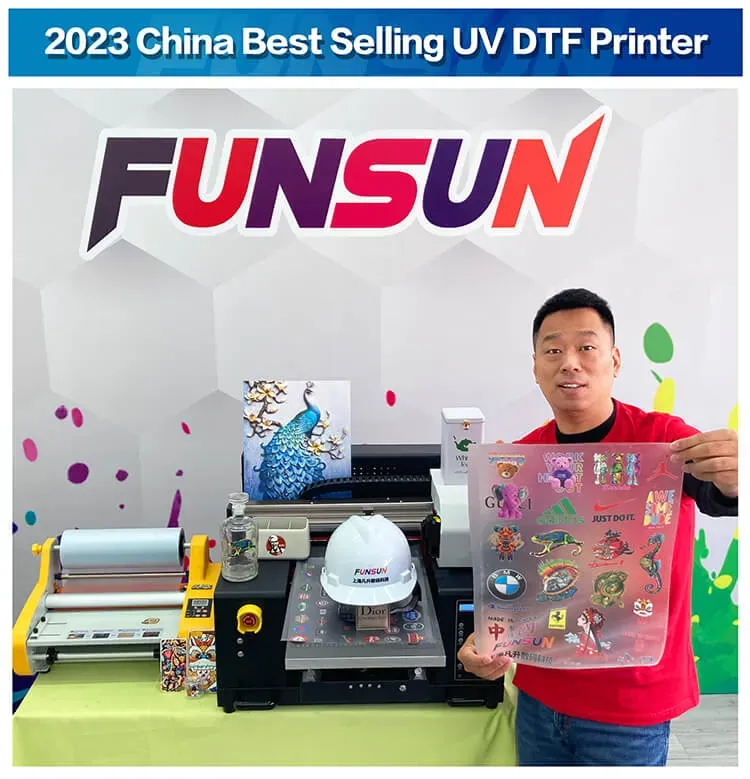
UV DTF printing, or Ultraviolet Direct to Film printing, is revolutionizing the landscape of sustainable printing by combining cutting-edge UV printing technology with eco-friendly practices. This innovative method not only enhances the vibrancy and quality of printed materials but also addresses growing environmental concerns by utilizing low-VOC inks and minimal waste production. As businesses increasingly prioritize sustainability in their operations, UV DTF offers a compelling solution that aligns with these values while delivering high-quality results. Furthermore, the versatility of UV DTF allows it to be used across a variety of substrates, maximizing its application potential in diverse industries. In this article, we will explore the benefits of UV DTF printing and how it represents a significant step forward in printing innovations.
Known also as ultraviolet direct transfer printing, this method employs advanced techniques to print images on film, which are then easily transferred onto various substrates, including textiles and plastics. By leveraging the remarkable properties of UV light, this printing process cures inks almost instantaneously, promoting both durability and clarity. With the rising demand for sustainable printing methods, this technology stands out for its capacity to reduce waste and reliance on harmful chemicals. Additionally, as eco-conscious consumers seek products that reflect their values, adopting UV-based solutions can significantly enhance a brand’s appeal. Thus, exploring this modern printing approach reveals exciting opportunities for businesses aiming to meet the market’s evolving expectations.
The Mechanics of UV DTF Printing
UV Direct to Film (DTF) printing is an innovative technology that uses ultraviolet light to cure specially formulated inks on a transfer film. This curing process not only enhances the quality and vibrancy of the prints but also ensures they are durable and long-lasting. Unlike traditional printing methods that often rely on solvent-based inks, UV DTF significantly reduces harmful emissions by using low-VOC (volatile organic compounds) inks that align with eco-friendly printing initiatives.
The rapid curing process allows UV DTF printers to quickly turn out high-quality images with intricate details. As the ink is cured instantly upon exposure to UV light, it also minimizes ink waste by ensuring precise application. This efficiency aids in reducing operational costs while contributing to a sustainable printing model, shaping how businesses approach their printing needs.
Benefits of Eco-Friendly Inks in UV DTF
One of the standout features of UV DTF printing is its use of eco-friendly inks that have a lower environmental impact compared to traditional inks. Manufacturers are increasingly formulating inks that contain fewer harmful chemicals and VOCs, promoting healthier work environments and reducing pollution levels. This innovation in ink technology not only benefits the ecosystem but also caters to a growing market of environmentally conscious consumers.
Using eco-friendly inks in UV DTF printing also aligns with the goals of sustainable printing by ensuring that products are made responsibly. This commitment to sustainability enhances brand reputation and consumer trust, creating a competitive edge in a market that values environmental impact. Brands can now boldly market their products as ‘green’ without sacrificing quality or performance, resulting in increased sales and customer loyalty.
Energy Efficiency and Sustainability in Printing Innovations
The advancements in UV DTF technology go hand-in-hand with the focus on energy efficiency in the printing industry. Today’s UV printers are designed with energy-saving features that reduce overall power consumption during the printing process, aligning perfectly with the principles of sustainable printing. This not only cuts down operational costs but also minimizes the carbon footprint of printing operations.
Moreover, the energy-efficient operating characteristics of UV DTF printing are vital in meeting the increasing demands for sustainable production practices. By adopting these technologies, businesses can contribute to a more sustainable future while maintaining high-performance standards. As more companies prioritize energy efficiency in their production processes, UV DTF stands out as a leading choice, making it a cornerstone of modern printing innovations.
Customizing Your Products with UV DTF Technology
Customization has become a critical trend in various industries, particularly in fashion and promotional products. UV DTF printing excels in this area by allowing for highly detailed and vibrant prints on a wide variety of substrates, from fabrics to hard surfaces. This versatility enables businesses to cater to individual consumer preferences, creating unique products that stand out in the marketplace.
Furthermore, the rapid production capability of UV DTF technology supports short runs of customized products without generating excess waste. This adaptability not only meets the demand for personalized items but also allows businesses to produce goods responsibly. As companies leverage this technology, they can effectively combine customization with eco-friendly practices, ultimately fostering customer satisfaction while maintaining sustainable operation.
Industry Adoption and Growth of UV DTF Printing
The printing industry is rapidly embracing UV DTF technology as part of a larger trend toward sustainability. As businesses recognize the importance of eco-friendly printing solutions, the demand for UV DTF printing continues to grow. Companies are investing in this technology, drawn by its ability to produce high-quality outputs with reduced environmental impact, thus aligning their operations with consumer expectations for sustainability.
Many companies have reported success stories showcasing the benefits of UV DTF. With its short turnaround times and ability to produce minimal waste, firms are not only improving their operational efficiencies but are also appealing to an eco-aware clientele. This growing trend emphasizes how crucial UV DTF will be in shaping the future of sustainable printing practices across various sectors.
Case Studies Highlighting Success with UV DTF Printing
Several businesses are leading the charge in adopting UV DTF printing, showcasing significant successes in sustainability. For instance, an eco-apparel brand noted a 30% reduction in waste after transitioning to UV DTF for their printing needs. This not only enhanced their environmental credentials but also resonated with customers who prioritize sustainability in their purchasing decisions.
In another case, a sustainable packaging company switched to UV DTF to produce their customized packaging solutions, which resulted in improved print durability and color brightness. The enhanced product quality drew in a customer base that is increasingly mindful of their environmental impact. These case studies underscore the transformative potential of UV DTF technology in helping businesses reduce their carbon footprint while meeting the demand for high-quality, sustainable products.
Frequently Asked Questions
What is UV DTF printing and how does it support sustainable printing?
UV DTF printing, or Ultraviolet Direct to Film printing, is an innovative technology that utilizes UV light to cure inks during the printing process. This method aligns with sustainable printing practices by using eco-friendly inks with low volatile organic compounds (VOCs) and minimizing waste through precise application. As such, UV DTF contributes to reduced environmental impact while delivering high-quality printed products.
What are the benefits of using UV DTF printing over traditional printing methods?
UV DTF printing offers several advantages over traditional printing methods, including faster curing times due to UV light, vibrant colors that last longer, and compatibility with various substrates. Its eco-friendly nature, characterized by low VOC emissions and reduced waste, makes UV DTF a superior choice in the realm of sustainable printing technologies.
Can UV DTF printing be used on multiple materials?
Yes, UV DTF printing is highly versatile and can be used on a wide range of materials, including fabrics, plastics, wood, and packaging materials. This adaptability allows businesses to explore innovative applications and meet diverse customer needs, further enhancing its position in sustainable printing.
How does UV DTF technology minimize ink wastage compared to other printing methods?
UV DTF technology minimizes ink wastage through its precise printing capabilities, which ensures that only the necessary amount of ink is used for each project. Additionally, this method supports short production runs, allowing businesses to print exactly what they need, thereby reducing excess inventory and promoting environmentally responsible practices.
What makes UV DTF printing an eco-friendly choice for businesses?
UV DTF printing is considered eco-friendly due to the low levels of volatile organic compounds (VOCs) in its inks, which significantly lessen environmental impact. Furthermore, its energy-efficient curing process and reduced waste production align it with sustainable printing goals, making it a responsible choice for businesses committed to green practices.
What trends are driving the growth of UV DTF printing in the printing industry?
Several trends are driving the growth of UV DTF printing, including the rising demand for high-quality and customizable outputs, as well as a focus on sustainability in manufacturing. Companies are increasingly adopting UV DTF technology to enhance their product offerings and respond to consumer expectations for environmentally conscious printing.
| Feature | Description |
|---|---|
| Curing Process | Uses UV light to cure inks instantly, enhancing durability and vibrancy. |
| Quality and Precision | Allows for highly intricate designs, ideal for detailed graphics and logos. |
| Variety of Substrates | Compatible with many materials including fabrics and plastics, enabling diverse applications. |
| Eco-Friendly Inks | Low VOC levels significantly reduce environmental impact. |
| Reduced Waste | Minimizes ink wastage and supports short production runs to avoid excess inventory. |
| Energy Efficiency | Advancements in technology lead to lower energy consumption in printing processes. |
| Rising Demand for High-Quality Outputs | Consumers demand sustainable products with high visual appeal, which UV DTF provides. |
| Focus on Customization | Fulfills the trend of personalized products with eco-friendly printing methods. |
| Investment in Sustainable Technologies | Companies invest in UV DTF as part of their eco-friendly strategies to meet market demands. |
Summary
UV DTF printing is revolutionizing the landscape of sustainable printing by offering environmentally friendly solutions without compromising on quality. With its unique curing process using ultraviolet light, UV DTF not only accelerates the drying time, enhancing color vibrancy, but it also utilizes eco-friendly inks, which significantly reduces volatile organic compounds. As the industry moves towards sustainability, UV DTF stands out by minimizing waste and improving energy efficiency. This makes it an ideal choice for companies striving to meet consumer expectations for high-quality, responsible products. In a world increasingly conscious of environmental impact, embracing UV DTF printing is not just a trend, it’s a commitment to a greener, more sustainable future in the printing industry.