
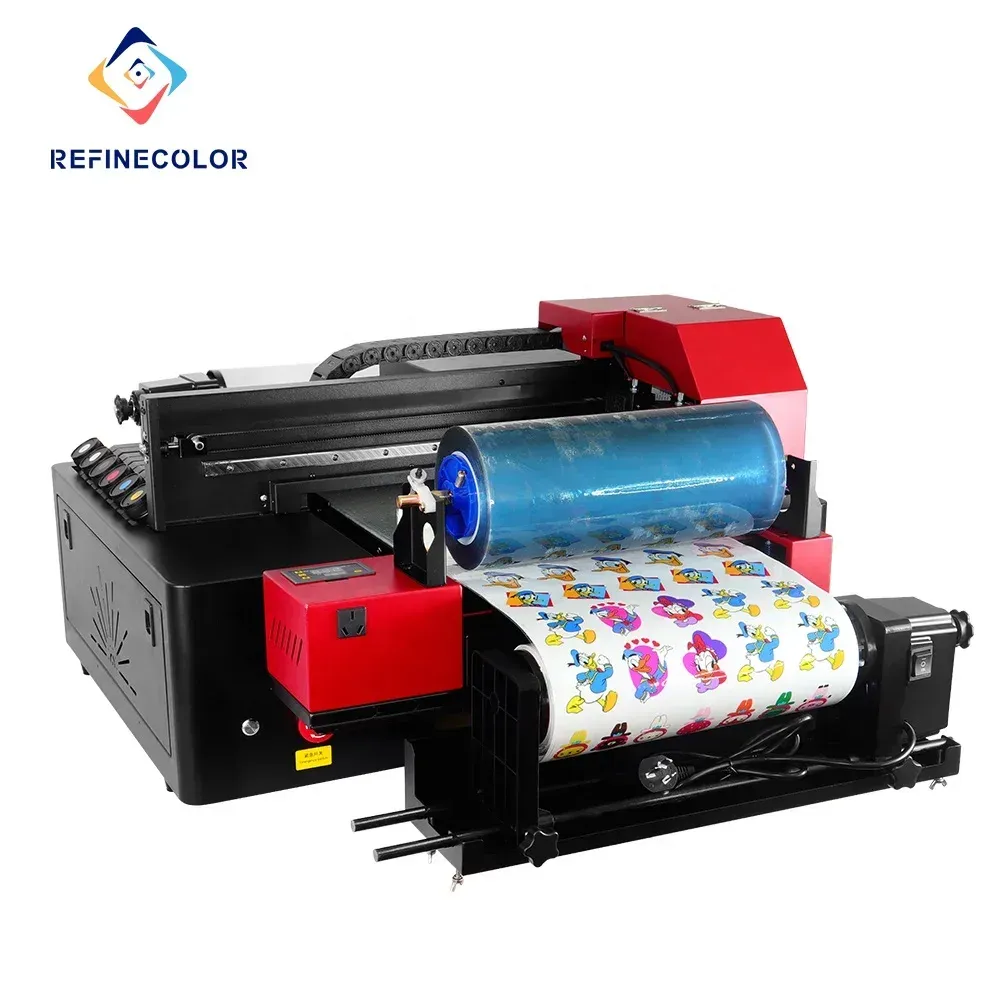
In the rapidly advancing realm of printing technology, **UV DTF (Direct to Film)** stands out as a revolutionary method that bridges the gap between traditional printing and modern customization. Unlike conventional techniques, UV DTF utilizes ultraviolet light to cure ink on film, creating vibrant and durable prints suitable for a variety of surfaces. This innovative approach not only enhances the quality of designs but also expands the creative possibilities for businesses and hobbyists alike. With the rise of various printing methods, UV DTF offers unique benefits that cater to the growing demand for personalized products, making it an appealing choice in today’s market. As we explore the advantages of UV DTF, the impact of this technology on industries such as custom merchandise and promotional items becomes increasingly evident.
Often referred to as Direct to Film UV printing, **UV DTF** represents a forward-thinking technique that combines the principles of ultraviolet technology with the efficiency of traditional printing methods. This cutting-edge approach enables users to produce high-quality designs with striking colors and the ability to print directly onto films, which can then be transferred onto various materials. As businesses increasingly seek alternatives that provide rapid production and customization options, this emerging printing technology promises to reshape the landscape of graphic design and production. Additionally, understanding the nuances of different printing technologies like DTF and traditional UV printing is crucial for making informed decisions in an ever-competitive marketplace.
A Detailed Look at UV DTF Technology
UV DTF (Direct to Film) printing is a groundbreaking technology that combines traditional DTF methods with the versatility of UV printing. This results in prints that possess vibrant colors and durability, allowing them to stand up against wear and tear. The technology works by applying UV curable inks onto a film, which is then heat-pressed onto various substrates, creating a strong bond. This unique approach provides impressive results on a wide array of materials, from fabrics to rigid surfaces, making UV DTF a flexible option for many printing needs.
One of the most significant advantages of UV DTF is its ability to capture fine detail and color depth that is often superior to traditional printing methods. This technology allows for the reproduction of intricate designs that resonate well with brands wanting to stand out. Moreover, the quick curing time associated with UV inks translates to faster production cycles, enabling businesses to meet market demands more efficiently. As a result, UV DTF is increasingly becoming a preferred choice for both small ventures and larger operations looking to enhance their product offerings.
Advantages of Traditional Printing Methods
Traditional printing methods have long been a staple in the printing industry, particularly notable for their cost-effectiveness and reliability. Processes like screen printing and direct-to-garment (DTG) printing have stood the test of time due to their ability to produce bulk prints at a relatively lower cost compared to newer technologies. This efficiency makes traditional printing an ideal solution for businesses needing to print large orders without compromising quality or increasing expenses.
Furthermore, traditional printing techniques often require less specialized equipment and training compared to newer methods like UV DTF. This means that businesses can set up production lines with a lower initial investment, making it accessible for many entrepreneurs and small businesses. As a result, traditional printing methods maintain a stronghold in industries where high-volume output is essential, such as apparel and promotional merchandise.
Cost Considerations: UV DTF vs Traditional Printing
When comparing the costs associated with UV DTF to traditional printing methods, businesses must evaluate both initial and long-term expenses comprehensively. While the upfront cost for UV DTF technology—especially equipment like the eufyMake UV Printer E1—can be significantly higher, the potential for faster production and superior quality might justify the investment for many. In contrast, traditional printing setups typically involve lower initial costs but may accumulate more expenses over time with material usage and operational overheads.
Additionally, the scalability of each method plays a crucial role in determining cost-effectiveness. For businesses focused on high-volume runs, traditional printing may offer a better return on investment due to its established techniques that allow for efficient mass production. On the other hand, the flexibility of UV DTF can lead to premium pricing on customized orders, providing an avenue for increased profitability despite higher initial costs.
Choosing the Right Application for Your Needs
Application suitability is a significant consideration when choosing between UV DTF and traditional printing. UV printing technologies excel in creating detailed, vibrant images on an expansive range of materials. This makes UV DTF an optimal choice for businesses requiring versatility, like gift shops and custom apparel companies. The ability to print on both hard surfaces and fabrics allows for innovative product designs and bespoke offerings tailored to unique customer demands.
In contrast, traditional DTF printing is particularly effective for the apparel industry, where durability and efficiency are crucial. This method is ideally suited for companies producing large quantities of fashion items and workwear. The lower production costs associated with traditional printing methods make it easier for brands to remain competitive in a crowded marketplace, allowing retailers to offer reasonable prices while maintaining quality.
Market Trends in Printing Technology
The landscape of printing technology is continually evolving, with both UV DTF and traditional printing methods experiencing significant innovations aimed at meeting increasing consumer demands for personalization and quality. As more businesses explore customization options, the competition between UV DTF and traditional printing intensifies. Trends such as eco-friendly inks and sustainable materials are emerging, making the printing process more attractive to environmentally conscious consumers.
Moreover, the demand for quick turnaround times and unique design capabilities is shaping the future of printing technologies. Businesses must adapt by investing in versatile printing solutions that can cater to these desires effectively. Whether through UV DTF that offers cutting-edge print quality or traditional methods that provide reliability, staying ahead of market trends will be essential for success in the competitive printing industry.
Final Thoughts: Your Printing Method Decision
Ultimately, the choice between UV DTF and traditional printing methods hinges on your specific objectives, budgetary considerations, and desired outputs. Those keen on innovative solutions, high-quality designs, and unique applications may find that UV printing aligns closely with their creative vision. Meanwhile, organizations prioritizing cost-effective mass production might lean toward traditional printing methods that deliver consistent results over larger scales.
It’s important to conduct a thorough assessment of your operational requirements and market trends as you consider which printing method to adopt. Understanding the strengths and weaknesses of both UV DTF and traditional printing will position you for success. Regardless of the path chosen, ongoing advancements in the printing tech landscape promise to deliver exciting new opportunities and innovations for businesses worldwide.
Frequently Asked Questions
What is UV DTF printing and how does it differ from traditional printing methods?
UV DTF (Direct to Film) printing is a modern printing technology that utilizes UV light to cure ink directly onto film, allowing for vibrant, high-quality prints on various surfaces. Unlike traditional printing methods that may rely on water-based inks or heat transfer processes, UV DTF offers superior durability and the ability to produce intricate designs that can be applied to materials such as fabric, metal, and wood.
What are the advantages of using UV printing technology over traditional printing methods?
The advantages of UV printing technology include faster drying times, the ability to print on a wide range of surfaces, and exceptional detail in print quality. UV DTF allows for 3D textures and vibrant colors that enhance product personalization, making it ideal for custom items, unlike traditional printing methods that may limit material options and design intricacies.
Is UV DTF printing cost-effective compared to traditional DTF printing?
While UV DTF printing technology often comes with a higher initial investment, its ability to create high-quality, durable prints can provide long-term cost savings. Traditional DTF printing may be more affordable upfront, but if you require customization and versatility, UV DTF can become cost-effective for those looking to leverage unique design capabilities in their offerings.
What industries benefit the most from UV DTF versus traditional printing?
UV DTF printing technology is particularly beneficial in industries focused on customized products, such as promotional items and personalized gifts. In contrast, traditional DTF printing is often favored in the garment sector, where quick production runs and cost efficiency are critical for larger manufacturers and retailers.
How does the quality of UV DTF prints compare to traditional DTF prints?
UV DTF prints generally offer superior quality and durability compared to traditional DTF prints. The UV printing technology can produce more vibrant colors, intricate details, and textured effects, making it suitable for high-end applications. Traditional DTF, while reliable, may not achieve the same level of detail or finish required for bespoke products.
What should businesses consider when choosing between UV DTF and traditional printing?
When selecting between UV DTF and traditional printing, businesses should evaluate their budget, the nature of their products, and their target market. If custom, high-quality designs on various materials are crucial, UV DTF is a strong choice. Conversely, for high-volume textile production where speed and cost are prioritized, traditional DTF printing might be more advantageous.
| Key Aspect | UV DTF | Traditional DTF |
|---|---|---|
| Technology Overview | Produces high-quality, detailed images on various surfaces; Ideal for custom and promotional items. | Reliable for high-volume garment printing; Effective for transferring designs directly onto fabrics. |
| Cost | Higher initial investment (e.g., $1,699 for eufyMake UV Printer E1), but offers vibrant and customizable designs. | Lower initial costs with potential additional material expenses over time; Economical for large production runs. |
| Application Suitability | Best for intricate designs and personalization. Suitable for artists and small businesses. | Ideal for mass production and cost-efficient solutions in the garment sector. |
| Market Trends | Growing demand for customization and innovation in print services. | Consistent demand from the garment industry for efficient and durable printing. |
Summary
UV DTF technology is at the forefront of modern printing innovations, offering unique opportunities for customization and high-quality designs that can cater to a range of materials. As businesses and artists seek to differentiate themselves in a competitive market, UV DTF printing stands out by enabling vibrant, multi-textural outputs. While it comes with a higher price point, its capability to produce detailed and personalized products makes it a worthy consideration for those prioritizing quality over cost. In contrast, traditional DTF routes offer efficiency and cost-effectiveness for larger production needs, making it a favored choice in the apparel industry. Ultimately, the choice between UV DTF and traditional printing involves assessing specific business needs and market demands, with both technologies evolving continually to meet consumer preferences.