
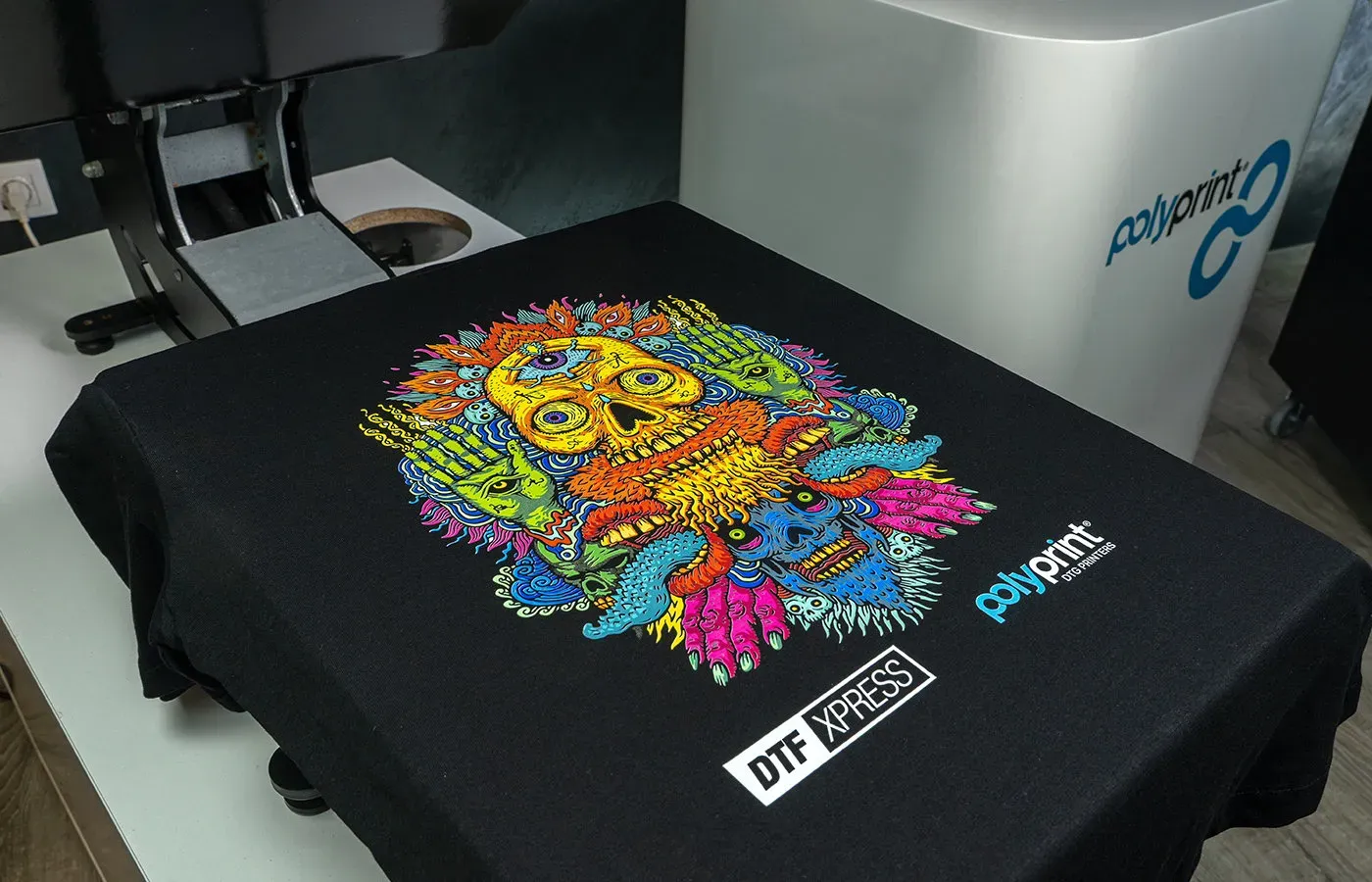
DTF printing, or Direct to Film printing, is transforming the world of textile and custom apparel printing with its innovative and versatile capabilities. This advanced printing technique utilizes a specialized film to produce vibrant, high-quality designs that can adorn a multitude of fabrics, making it a fantastic choice for those seeking to create unique merchandise. By allowing designers to print intricate details with exceptional durability, the DTF printing process opens the door to endless creative possibilities. Whether you're a seasoned pro or just beginning your journey in custom apparel printing, understanding the essentials of DTF printing equipment and the role of gang sheets can greatly impact your results. As this technology continues to evolve, more businesses are discovering the efficiencies and cost savings that come with incorporating DTF printing into their production workflows.
Known for its efficiency and vibrant output, DTF printing – also referred to as Direct to Film printing – is rapidly gaining popularity among apparel creators and businesses alike. This innovative process involves applying stunning graphics directly onto a particular film, which is then transferred to various textiles using heat. With options like gang sheets available, this modern technique provides substantial advantages in terms of both cost-effectiveness and flexibility. As the demand for custom designs continues to surge, understanding the intricacies of the DTF printing process becomes crucial for anyone looking to thrive in the competitive landscape of custom merchandise. By harnessing the power of DTF technology, you can elevate your printing projects while catering to the growing trend of personalized apparel.
The Basics of DTF Printing Equipment
To embark on your DTF printing journey, understanding the essential equipment is crucial. At the heart of this process is the DTF printer, designed specifically to handle water-based inks that produce striking images on film. The printer compatibility with various substrates is vital, as it can influence the quality of your final product. Additionally, ensuring that your printer is set up correctly will help you achieve the vibrant colors and intricate details characteristic of DTF printing.
Another key component is the DTF film itself. This film serves not only as a canvas for your prints but also a medium that ensures high adherence of inks. When selecting the right film, look for one with a specialized coating that enhances ink adhesion and durability after the heat transfer. Complementing these tools, consider investing in a high-quality heat press, as the application of heat and pressure is crucial for successfully transferring your designs to fabric.
Frequently Asked Questions
What is the DTF printing process and how does it work?
The DTF printing process involves printing designs onto a special film using a DTF printer that utilizes water-based inks. This film is then coated with an adhesive powder and transferred onto fabric using a heat press. This technique allows for vibrant, durable prints on various materials.
What types of fabrics can I use for DTF printing?
DTF printing is versatile and works well on a variety of fabrics, including cotton, polyester, and blends. This capability makes it an excellent choice for custom apparel printing, as it delivers high-quality prints regardless of the fabric type.
How can gang sheets improve my DTF printing efficiency?
Using gang sheets in DTF printing allows you to print multiple designs on a single sheet of film, significantly reducing material waste and lowering production costs. It is an effective strategy for optimizing custom apparel printing efforts.
What equipment do I need to start DTF printing?
To get started with DTF printing, you'll need a DTF printer, special DTF film, transfer powder, and a heat press. These essential pieces of DTF printing equipment are necessary to produce high-quality custom prints.
What are the benefits of choosing DTF printing over traditional printing methods?
DTF printing offers several advantages over traditional methods, including the ability to print on both light and dark fabrics, cost-effectiveness for small runs, vibrant color reproduction, and ease of use, making it suitable for beginners entering the world of custom apparel printing.
How can I stay updated on the latest trends in DTF printing?
To stay current on trends in DTF printing, engage with online resources such as forums, social media groups, and industry blogs. Participating in communities of DTF enthusiasts can provide valuable insights into emerging technologies and techniques, enhancing your printing skills.
| Key Point | Description |
|---|---|
| What is DTF Printing? | A printing method where designs are printed on a special film and transferred to fabrics using heat. |
| Advantages of DTF Printing | 1. Flexibility to print on various fabric colors. 2. Cost-effective for small runs. 3. User-friendly process. |
| Essential Equipment | 1. DTF Printer 2. DTF Film 3. Transfer Powder 4. Heat Press |
| Gang Sheets Concept | Printing multiple designs on one film to reduce waste and costs. |
| Market Trends | Growing demand in the custom apparel sector driven by e-commerce and personalization. |
| Tips for Beginners | 1. Research resources. 2. Experiment with materials. 3. Engage with the community. |
Summary
DTF printing is transforming the textile printing landscape, offering a perfect blend of flexibility and vibrant quality for various applications. This technology allows creators to print detailed designs on diverse fabrics, making it an excellent choice for personalized merchandise. With its focus on small-batch production and cost-effectiveness, DTF printing caters to businesses and hobbyists alike. By understanding essential equipment, leveraging gang sheets for efficiency, and staying on top of industry trends, anyone can tap into the burgeoning DTF printing market to create bespoke, high-quality products. The accessibility and innovation behind DTF printing make it an exciting avenue for artistic expression and entrepreneurial endeavor.