
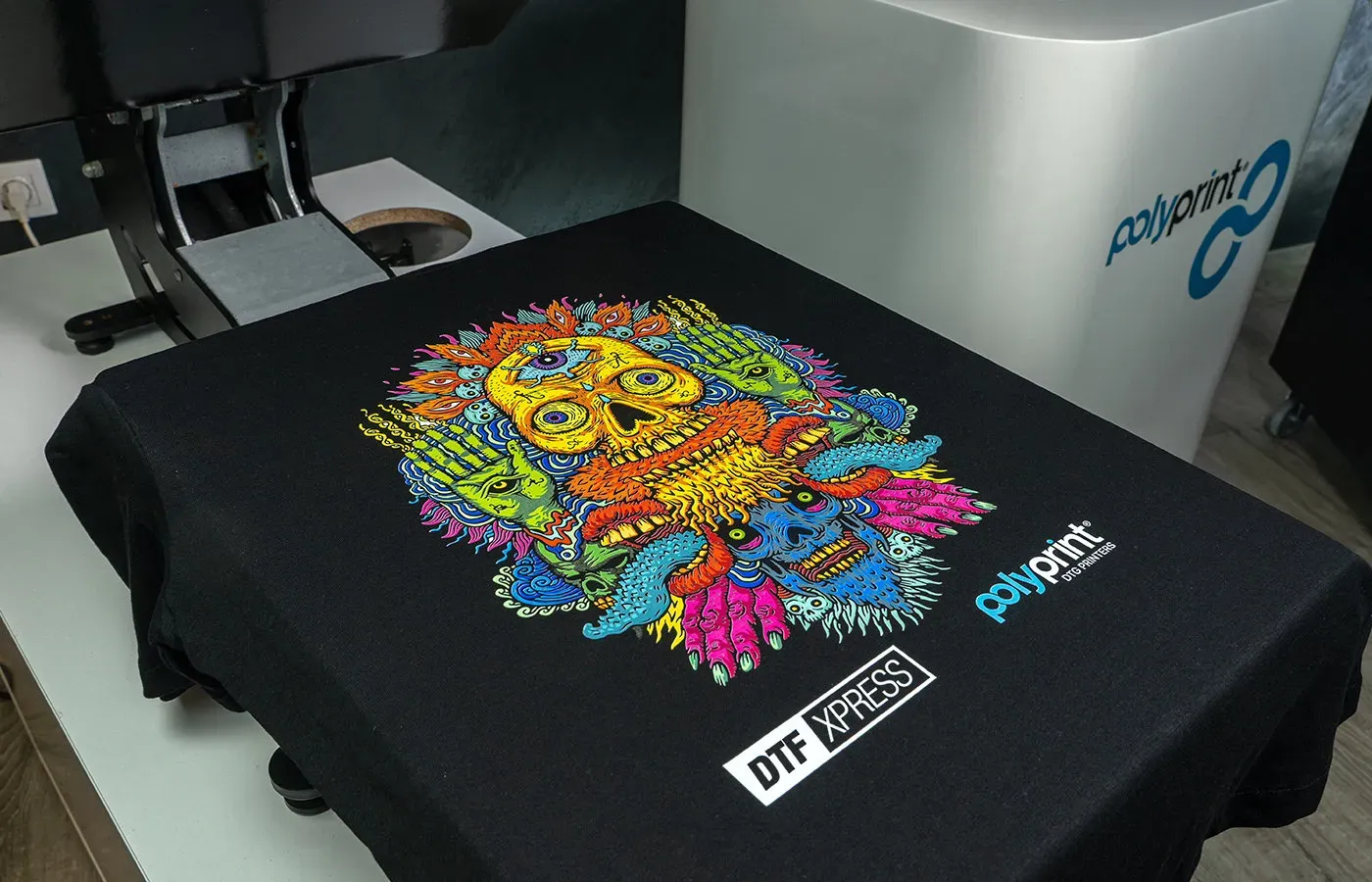
DTF printing, or Direct-to-Film printing, is an innovative method that has transformed the landscape of custom apparel printing. By allowing designers to print vibrant, high-resolution images onto a specialized film before transferring them to textiles, this technique caters perfectly to the needs of both professionals and hobbyists looking to create stunning textile designs. This comprehensive DTF printing guide will dive into everything you need to know, from materials and processes to the numerous advantages that come with this method. Whether you're just starting out in the world of fabric printing or seeking to expand your creative business, understanding how to DTF print can greatly enhance your artistic capabilities and the quality of your products. Join us as we explore the exciting world of DTF printing and its applications in custom apparel creation.
Also referred to as Direct-to-Film process, this advanced technique has gained traction for its efficiency and capability to produce intricate designs with remarkable color depth. Through the DTF printing system, creators can effortlessly transfer eye-catching graphics onto various fabric types without labor-intensive pre-treatments. This method is becoming increasingly popular for custom fabric applications, blending creativity with technology to meet the demands of today's textile industry. By adopting this innovative printing approach, enthusiasts from all walks of life can easily create personalized items, making it an excellent choice for custom apparel printing ventures.
Understanding the Basics of DTF Printing
Direct-to-Film (DTF) printing is a cutting-edge printing technology that permits vivid and detailed designs to be printed directly onto a special film, which is then transferred onto fabric. This method provides an alternative to traditional screen printing and heat transfer techniques, allowing for greater versatility and efficiency. As the popularity of custom apparel printing continues to rise, DTF printing has emerged as a favored choice for entrepreneurs and hobbyists looking to produce high-quality garment designs.
One of the primary appeals of DTF printing is its ability to handle multiple fabric types, from cotton to polyester blends. This broad application makes it particularly advantageous for businesses focused on producing diverse product ranges. Furthermore, the prints are remarkably durable, ensuring that finished items can withstand wear and numerous washes. Thus, understanding the fundamentals of DTF printing is crucial for anyone interested in entering the realm of custom fabric decoration.
Key Advantages of DTF Printing
DTF printing boasts an array of advantages that set it apart from traditional printing methods. One notable benefit is its versatility; DTF prints can adhere to a wide range of fabrics and garment types, enabling users to create everything from t-shirts to tote bags without worrying about the compatibility of the material. This flexibility allows for a broader design scope, catering to various consumer demands.
Additionally, DTF printing offers vibrant color reproduction, often producing more vivid designs compared to other printing techniques. The use of water-based inks ensures that the prints are not only bright but also environmentally friendly, appealing to today’s eco-conscious consumers. Moreover, since DTF printing requires no pre-treatment of fabrics, the overall process becomes significantly streamlined, saving valuable time and resources for businesses.
Steps Involved in the DTF Printing Process
The DTF printing process involves several essential steps that must be followed to achieve optimal results. The journey begins with creating a design using graphic design software that adheres to specific guidelines for printing. Once the design is finalized, the next step is to print it onto a special transfer film using a DTF printer equipped with specialized inks.
After printing, an adhesive powder is evenly sprinkled over the wet ink to bond the print to the fabric, which is then cured through heat to ensure the adhesive adheres correctly. Lastly, the transfer film is placed on the chosen garment and pressed with a heat source, solidifying the transfer process. Mastering each of these steps is vital for ensuring high-quality outcomes in custom apparel printing.
Applications of DTF Printing in Custom Apparel
DTF printing offers a vast array of applications, particularly within the custom apparel industry. Whether creating personalized t-shirts for events or producing unique designs for merchandise, the possibilities are virtually limitless with DTF technology. Custom apparel businesses can leverage this method to cater to niche markets, fulfilling specific customer demands by creating tailor-made designs quickly and efficiently.
Additionally, DTF printing is ideal for small runs, making it an excellent choice for businesses looking to test new products without significant financial risk. As consumer preferences continue to shift towards individuality and personalization, the DTF printing method stands out as an effective solution for businesses aiming to provide high-quality, customized items.
Common Challenges in DTF Printing
Despite its many advantages, DTF printing does present some challenges that users must navigate. One of the primary hurdles is the initial setup cost associated with purchasing the necessary equipment, including a DTF printer, heat press, and specialized supplies. For new entrants in the custom apparel market, these upfront expenses can be daunting.
Moreover, achieving optimal results with DTF printing often requires a certain level of technical knowledge and practice. Understanding the intricacies of the printing process, such as correct temperature settings and application techniques, is essential for producing high-quality prints. As with any new technology, users may experience a learning curve, which can cause apprehension among beginners.
Recent Trends and Developments in DTF Printing
The DTF printing landscape is constantly evolving, with recent advancements aimed at making this technique more accessible and environmentally friendly. Innovations in ink formulations are enhancing print durability and reducing the overall ecological impact of the printing process. Manufacturers are now developing eco-conscious materials, further appealing to socially responsible brands and consumers.
Additionally, the introduction of beginner-friendly starter kits has significantly lowered the entry barrier for aspiring custom apparel printers. These kits typically include all essential components for getting started, thus eliminating the guesswork for newcomers. As technology continues to advance, DTF printing is expected to gain even more popularity, offering exciting opportunities for innovation and creativity in fabric design.
Frequently Asked Questions
What is DTF printing and how does it work?
DTF printing, or Direct-to-Film printing, is a modern textile printing technique that involves printing designs onto a special transfer film. The printed film is then heat-pressed onto fabric, allowing for vibrant, high-resolution images with excellent durability across various materials.
What are the key advantages of using DTF printing for custom apparel?
DTF printing offers several advantages for custom apparel, including exceptional versatility on different fabrics, vibrant color outputs, and no need for fabric pre-treatment. This technique also results in durable prints that withstand regular washing, making it ideal for long-lasting garments.
What materials do I need to start with DTF printing?
To begin DTF printing, you will need a DTF printer, transfer film, DTF-specific inks, adhesive powder, and a heat press. These materials are crucial for achieving high-quality prints that transfer effectively onto fabric.
How do I create a design for DTF printing?
Creating a design for DTF printing involves using graphic design software like Adobe Illustrator or CorelDRAW. After designing, you will print the artwork onto transfer film using a DTF printer, followed by applying adhesive powder to the wet ink before curing and transferring it to the fabric.
Are there any challenges associated with DTF printing?
While DTF printing has many benefits, potential challenges include the initial investment costs in equipment and materials. Additionally, mastering the technique may require some technical knowledge and practice to achieve optimal results.
Where can I find resources to learn more about DTF printing?
Resources to learn about DTF printing include online tutorials on platforms like YouTube, industry blogs that offer insights and how-tos, community forums for practical advice, and academic journals focused on textile technology.
| Key Point | Description |
|---|---|
| What is DTF Printing? | A modern method of printing designs onto a special film for transfer onto fabric, known for vibrant, high-resolution prints. |
| Key Components | Includes DTF printer, transfer film, DTF inks, adhesive powder, and heat press. |
| Process Steps | 1. Design creation 2. Printing 3. Applying adhesive 4. Curing the print 5. Transfer using heat press. |
| Advantages | Versatility, vibrant colors, no pre-treatment required, and durability. |
| Applications | Used for custom apparel and promotional items. |
| Challenges | Initial setup costs and the need for technical knowledge. |
| Recent Developments | Improvements in eco-friendliness and starter kits for beginners. |
| Resources for Learning | Online tutorials, blogs, forums, and academic journals. |
Summary
DTF printing is an innovative and versatile technique that is reshaping the custom printing landscape. By utilizing high-quality materials and a straightforward process, it allows for stunning designs to be transferred onto a variety of fabrics with ease. Its durability and vibrant colors make it a preferred choice for both businesses and hobbyists, ensuring that your creations remain striking over time. As the technology evolves, the accessibility of DTF printing continues to increase, encouraging more individuals to explore this exciting realm of fabric printing. This guide serves as a crucial resource for anyone interested in harnessing the power of DTF printing.