
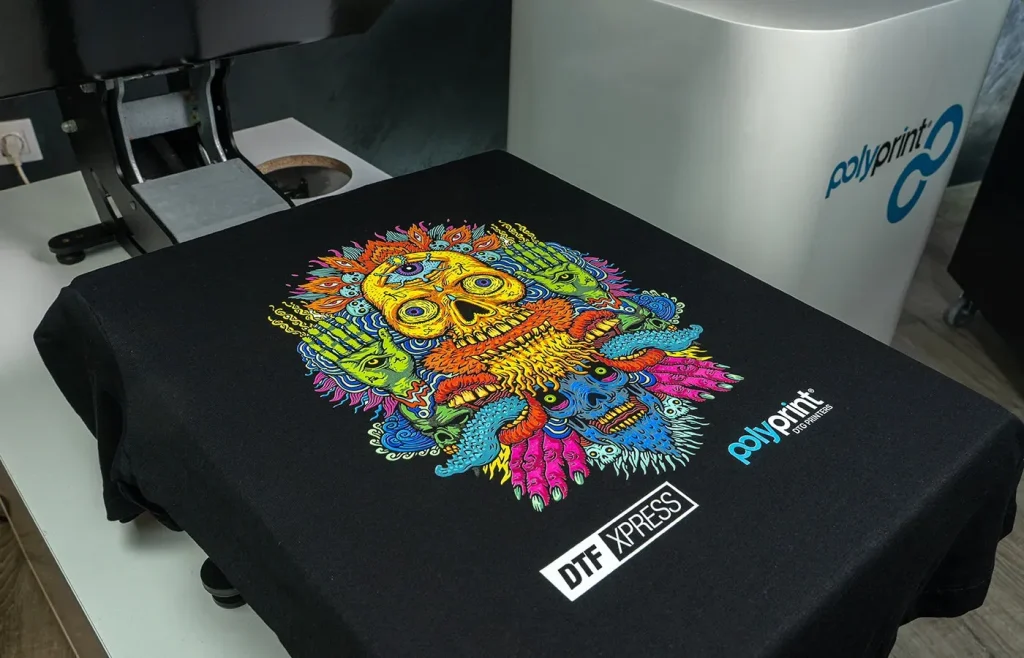
DTF printing, or Direct to Film printing, is an innovative technique that has transformed the fabric printing landscape, allowing designers to produce eye-catching graphics with remarkable ease. This advanced method stands out by transferring designs onto a special PET film, which is then applied to various fabric types, resulting in vibrant colors and durable prints. Unlike traditional printing options, DTF graphic design provides unparalleled detail and longevity, making it a preferred choice for custom apparel and fabric enthusiasts. In this article, we will explore the intricacies of the DTF printing process, share best practices for crafting stunning designs, and provide insights into effectively preparing your artwork. Dive into the world of DTF printing to elevate your fabric projects and unleash your creativity!
Direct to Film (DTF) printing is an exciting and efficient way to create custom graphics on fabrics. This modern fabric printing technique enables designers to print high-quality images onto a unique transfer film, which can easily be applied to a variety of materials. By using this method, individuals can achieve vibrant, long-lasting prints that stand the test of time. As we delve into the nuances of DTF graphic design, we will also discuss essential tips for effectively designing for DTF and the various fabric types that work best with this innovative printing process. Explore this dynamic field and discover how to harness the full potential of fabric printing techniques!
What Makes DTF Printing Unique?
DTF printing stands apart from other fabric printing techniques due to its innovative use of transfer films. In this method, designs are first printed onto a specialized PET film, which is then applied to the fabric using heat. This approach enables printers to achieve vibrant colors and fine details that are often difficult to replicate with other techniques, such as screen printing or direct-to-garment (DTG) printing. The flexibility offered by DTF printing also means it can be used on a wide range of fabric types, further expanding its appeal in the textile and fashion industries.
Moreover, the durability of DTF prints is a significant advantage. The heat transfer process creates a bond that withstands multiple washes without fading, cracking, or peeling. This long-lasting quality is crucial for designers who aim to produce high-performance apparel or fashion items that maintain their aesthetic appeal over time. Combining performance with vibrant imagery makes DTF printing a preferred choice for bespoke designs in the competitive market of fabric printing.
Understanding the DTF Printing Process
The DTF printing process involves several key stages that are vital to achieving high-quality fabric prints. First, the artwork is designed and prepared using graphics software, where the selection of colors and sizes is critically evaluated. This preparation must take into account the specific characteristics of the fabric to ensure the final print maintains its integrity and vibrancy. After printing the design onto the PET transfer film, a layer of adhesive powder is applied and melted to ensure that the artwork adheres properly to the substrate.
Once the design is ready, the heat transfer process begins. The film is placed onto the fabric and, through the application of heat and pressure, the ink is effectively transferred, creating a stunning graphic print. This process not only ensures that colors are vivid but also affirms that intricate details remain crisp and clear on the final product. Understanding these steps allows designers to predict potential challenges and optimize the outcome of their projects.
Tips for Designing Effective DTF Graphics
Creating impactful graphics for DTF starts with an understanding of color theory and the properties of inks used in this specific printing technique. Designers should opt for water-based inks that enhance clarity and brightness when transferred onto fabrics. Additionally, conducting test prints is paramount. By experimenting with different colors and designs on sample materials, designers can assess how various print configurations will appear on the final fabric.
Another best practice is to streamline artwork for DTF printing by ensuring that designs are suitable for the chosen print size and medium. Cleaning up the edges and optimizing resolution will prevent pixelation and ensure that the graphics are as sharp as possible. By keeping these factors in mind, designers can create stunning DTF graphics that are not only visually appealing but also functional and durable.
Materials and Fabrics for DTF Printing
The choice of fabric is critical in DTF printing, as different materials react differently to the printing process. Polyester fabrics are favored for their ability to produce vibrant and long-lasting prints. The synthetic fibers of polyester allow for better ink absorption and adherence, making it a go-to choice for athletic wear and everyday garments alike. Furthermore, the smooth surface of polyester fabric typically yields superior results with DTF technology.
Conversely, while cotton fabrics offer a softer feel, they require specific preparations, such as pretreatment or prewashing, to achieve optimal results. Any absorbent materials might need adjustments to accommodate the DTF printing process effectively. Blended fabrics often serve as a compromise, providing a balance between softness and printing quality, but finding the right blend for DTF becomes essential for ensuring a successful print.
Best Practices for DTF Graphic Preparation
Preparing your graphic for DTF printing involves several best practices that can significantly enhance the quality of the final product. Start by utilizing vector graphics for your designs; vector files maintain high resolution and clarity, regardless of size adjustments. This advantage is vital during the printing process, as it minimizes the risk of pixelation, resulting in cleaner and more professional-looking prints.
Additionally, consider the color calibration when creating designs for DTF. The colors seen on-screen will differ from those on the fabric, necessitating the use of color profiles that match the ink and media pairing. Testing various designs on different fabric types will allow designers to refine their techniques and better understand how their choices affect the final appearance.
Exploring DTF Graphic Design Trends
As DTF printing continues to gain popularity, emerging design trends are shaping how graphics are created for fabric. Vibrant, eye-catching designs that combine bold colors with intricate patterns are becoming increasingly favored. Designers are also exploring unique blending techniques, such as layering transparencies and mixing styles and motifs, to create dynamic visual experiences that stand out on garments.
Furthermore, sustainability plays a significant role in current design trends. Many designers are embracing eco-friendly inks and materials while using DTF printing technology to promote sustainable practices in apparel production. This commitment to sustainability not only resonates with consumers but also opens up discussions about responsible design in the fabric printing industry.
Frequently Asked Questions
What is DTF printing and how does it work?
DTF printing, or Direct to Film printing, is a method where designs are printed onto a special PET transfer film using high-quality inks, which are then heat-applied to various fabric types. This process results in vibrant colors and detailed images that can adhere well to substrates such as cotton, polyester, and blends, making it a versatile choice for fabric printing.
What are the best practices for designing graphics for DTF printing?
When designing for DTF printing, it’s crucial to choose vibrant, water-based inks, prepare artwork considering transfer adhesive layering, and always conduct test prints. Ensuring clarity in intricate details and maintaining high-resolution images will enhance the final output quality in your DTF projects.
What types of fabrics work best with DTF printing?
DTF printing works well on various fabrics, with polyester yielding the best results due to its ability to deliver sharp and vivid colors. Cotton can also be used but may require specific preparation for optimal results. Blended fabrics can offer a balance but need careful testing to understand their response to the DTF printing process.
How can I prepare my artwork for DTF graphic design?
To prepare artwork for DTF graphic design, use vector graphics for scalability, ensure high resolution (300 DPI or above), and save files in compatible formats like PNG or PDF. Consider how your colors will transfer on both the film and fabric to ensure vibrant and accurate prints.
What are the limitations of DTF printing compared to other fabric printing techniques?
While DTF printing offers vibrant and durable results, it may not be as cost-effective for large production runs compared to traditional screen printing. Additionally, certain fabric surfaces may require additional preparations. It’s essential to assess the fabric type and expected output before choosing DTF over other fabric printing techniques.
Can DTF printing be used for custom apparel and promotional items?
Yes, DTF printing is an excellent choice for custom apparel and promotional items due to its ability to produce high-quality, vibrant graphics that are durable. This versatility allows designers to create customized designs that can withstand washing and wear, making DTF an attractive option for both personal and commercial projects.
| Key Feature | Description |
|---|---|
| What is DTF Printing? | An innovative method where designs are printed onto a PET transfer film and heat-applied to fabrics, allowing for vibrant colors and detailed images. |
| Key Features | – Vivid colors and sharp details – Application on various fabrics – Durable prints that withstand wash and wear |
| Fabric Types | DTF works best with polyester, cotton requires preparation, and blends need careful testing to understand their reaction to printing. |
| Best Practices | – Choose vibrant colors suitable for DTF. – Prepare artwork with clear details and consider layering. – Perform test prints before finalizing. |
| Artwork Creation | – Use vector graphics for clarity. – Maintain high resolution (300 DPI). – Save files in compatible formats (PNG/PDF). |
Summary
DTF printing is revolutionizing the world of fabric graphic design, offering unmatched vibrancy and durability for custom apparel. This innovative method not only enhances the quality of prints but also provides versatility across different fabric types, making it a favored choice among designers. By mastering the principles of DTF, including understanding the suitable fabric characteristics and best practices for graphic creation, enthusiasts can elevate their projects to stunning results. Embracing DTF printing means unlocking endless creative possibilities in textile design, where one can transform their artistic visions into lasting impressions on fabric.

