
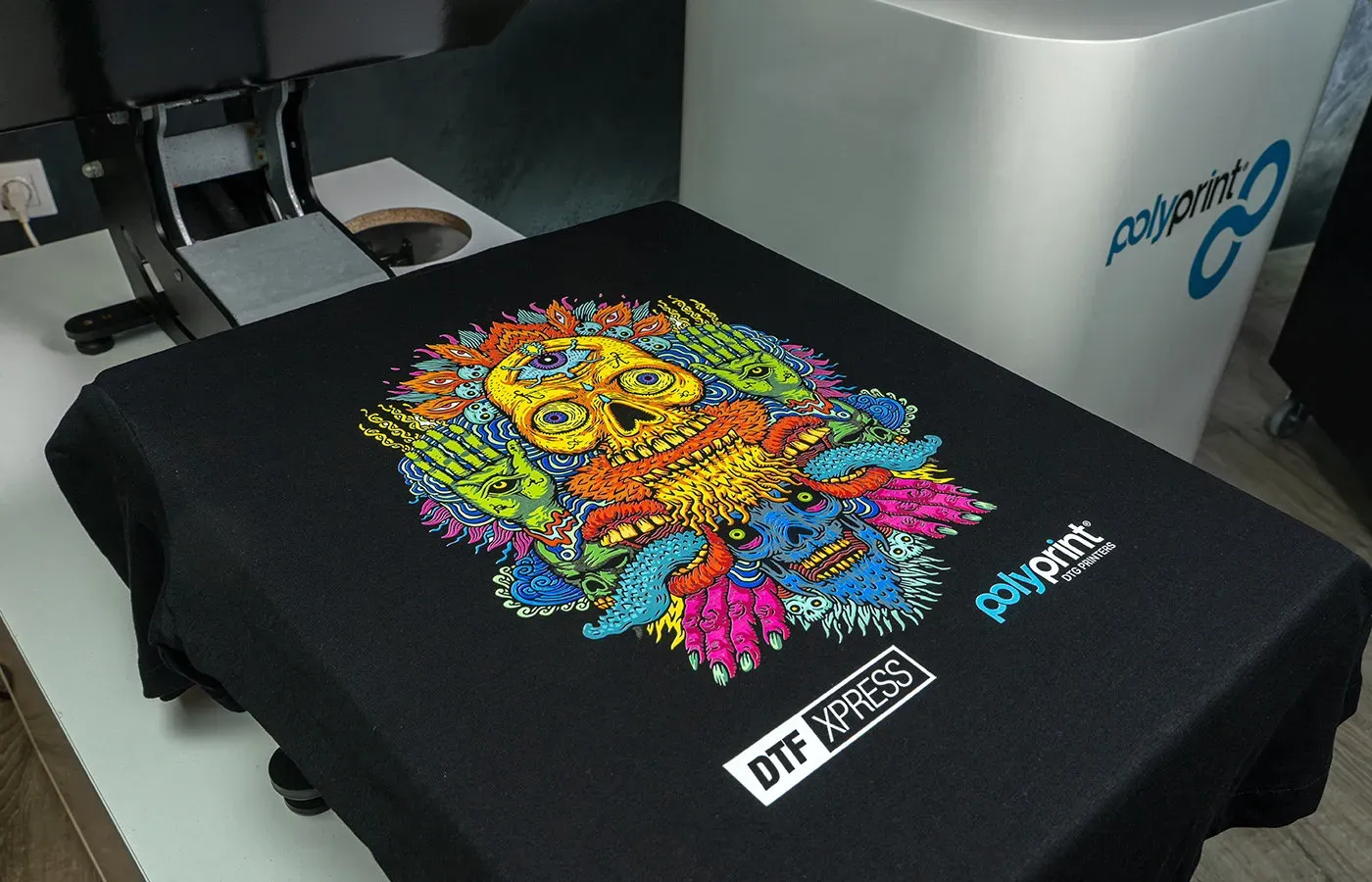
DTF printing, or Direct-to-Film printing, is rapidly transforming the landscape of custom apparel production. This innovative method enables high-impact designs and vibrant colors to be printed on specialized film, which is then heat-pressed onto various fabrics. As the custom apparel market expands, DTF printing stands out for its capability to produce intricate designs with ease and efficiency, making it a game-changer for both businesses and hobbyists. With the use of gang sheets for simultaneous printing, this technology significantly reduces costs and boosts productivity for custom transfer printing jobs. In this blog post, we will delve into the remarkable features, advantages, and the latest trends surrounding DTF transfer technology that every apparel creator should know.
Known variously as Direct-to-Film technology or custom transfer printing, DTF printing represents an exciting leap forward in personalized apparel creation. This technique allows for printing directly onto a special film, which can be transferred to a wide array of fabric types, making it a versatile choice for crafters and businesses alike. The rise of DTF has been accompanied by the introduction of efficient gang sheets, which maximize the potential of each print run by grouping multiple designs. As the demand for rapid, on-demand printing services grows, understanding this innovative printing approach becomes crucial for anyone in the apparel industry.
Understanding Direct-to-Film (DTF) Printing
Direct-to-Film printing, commonly referred to as DTF printing, is an innovative technique that has transformed the landscape of custom apparel production. This method involves the application of heat and pressure to transfer intricate designs from a specially coated film onto fabric. The result is a superior quality print characterized by vibrant colors and sharp details, making DTF an ideal choice for fashion brands aiming to distinguish their offerings in a competitive market.
The process of DTF printing begins by printing a design onto a transfer film using specialized inks. Once the design is printed, adhesive powder is applied to the wet ink and subsequently heat-cured. This enhances the bond between the ink and the film, allowing for a smooth transfer onto the fabric. The flexibility of DTF printing allows it to cater to various materials—be it cotton, polyester, or blends—thus making it a versatile choice for designers and companies alike.
The Advantages of Using DTF Printing in Custom Apparel
One of the most significant advantages of DTF printing is its ability to produce vibrant, high-resolution images that bring designs to life. Unlike traditional screen printing, which can often lead to color limitations and a more labor-intensive setup, DTF printing provides a quicker and more efficient methodology. With its ease of setup, users can create garments with complex graphics without the constraints typically associated with past printing techniques.
Additionally, DTF printing supports a range of printing applications, making it a popular choice for custom apparel. Whether you're looking to produce intricate designs for t-shirts or bold graphics for hoodies, DTF can meet these demands with outstanding clarity. This adaptability is particularly beneficial for businesses that require quick turnaround times and need to meet diverse customer preferences, all while keeping production costs manageable.
Exploring gang sheets in DTF Printing
Gang sheets are a fantastic innovation within DTF printing that showcases the efficiency of this modern technique. By allowing multiple designs to be printed on a single sheet of film, gang sheets facilitate significant reductions in printing costs. This not only streamlines the production process but also enables businesses to cater to smaller orders without the financial burden typically associated with custom jobs. As a result, gang sheets have become an essential tool for many custom apparel businesses.
Using gang sheets helps to maximize the usage of film and ink, which can be particularly advantageous during the early days of a startup or when orders are varied and unpredictable. With gang sheets, printers can easily fulfill multiple orders at once—enhancing productivity while maintaining superior quality. This approach aligns perfectly with the needs of businesses striving for efficiency and excellence in their printing outcomes.
Recent Innovations in DTF Transfer Technology
The DTF printing industry is continuously evolving, driven by innovation and demand. Recent developments, such as the introduction of larger format DTF printers, have significantly expanded operational capabilities. For instance, companies like Eazydtf have made substantial investments in advanced printing technology, which allows them to boost their production capacity. This not only enhances service speed but also improves the quality of DTF transfers, satisfying a market hungry for rapid solutions.
Moreover, these advancements have led to the rise of new services tailored for custom transfer printing. Companies are now able to guarantee faster delivery times, enabling businesses to meet tight deadlines. The shift toward rapid service—where DTF transfers can be shipped within days—represents a critical response to the pressures of the modern marketplace, ensuring that creators and crafters can operate efficiently and remain competitive.
Challenges Facing DTF Printing and Solutions
Despite its advantages, the DTF printing industry is not without its challenges. One notable obstacle is the increasing competition as more players enter the market, driving the need for businesses to innovate continuously. As DTF technology becomes mainstream, companies must focus on differentiating their services and products to maintain a competitive edge. This often necessitates investment in better technology and training to ensure high-quality output.
In addition to competition, external factors like tariff uncertainties can impact pricing and operational strategies significantly. Businesses in the custom apparel sector must navigate these complexities carefully. Some companies are implementing strategic partnerships and diversifying their supply chains to mitigate potential risks associated with sudden tariff changes, ensuring sustainability in their operations.
The Future of Custom Apparel with DTF Printing
Looking towards the future, DTF printing appears set to redefine the custom apparel landscape. As technology evolves, so too will the capabilities of DTF printing, leading to even more intricate designs and improved production methods. Its existing advantages, coupled with ongoing innovations, will likely attract more businesses and individuals to explore this dynamic sector.
Furthermore, as awareness of DTF printing spreads, more crafters and entrepreneurs may adopt this technology to meet their creative needs. The rising ability to produce custom apparel quickly and with high precision is immensely appealing, ensuring DTF printing will play a central role in the ongoing shift towards personalized fashion. As market trends evolve, the integration of DTF printing into various business models will likely yield exciting developments in creativity and entrepreneurship.
Frequently Asked Questions
What is DTF printing and how does it work?
DTF printing, or Direct-to-Film printing, is a modern technique where designs are printed onto a specialized film. This film is then heat-pressed onto various fabrics, unlike traditional methods such as screen printing. DTF printing is known for its vibrant colors and high-quality output, making it an excellent choice for custom apparel.
What are gang sheets in DTF printing?
Gang sheets are large sheets utilized in DTF printing to combine multiple designs into one print run. This approach enhances efficiency, reduces costs, and is particularly beneficial for businesses looking to streamline their custom transfer printing processes.
What are the benefits of using DTF transfers for custom apparel?
DTF transfers offer numerous benefits for custom apparel, including vibrant colors, versatility across different fabric types, and quicker production times due to easier setup. This makes DTF printing an appealing option for businesses and individual crafters alike.
How does DTF printing compare to other custom printing methods?
Compared to traditional custom printing methods like screen printing, DTF printing stands out due to its ability to produce detailed designs with high resolution and vivid colors. Additionally, DTF printing requires less setup, resulting in quicker turnaround times and lower costs for small batches of custom apparel.
Are there any challenges associated with DTF printing?
While DTF printing is gaining popularity, it faces challenges such as tariff uncertainties and increasing competition within the market. Companies need to adapt to these challenges to maintain quality and service in the custom apparel sector.
What recent developments are impacting the DTF printing industry?
Recent developments in the DTF printing industry include the introduction of gang sheets for efficiency, expansions in production capacity by leading companies like Eazydtf, and the launch of rapid custom transfer printing services, enhancing accessibility and speed for fulfilling custom apparel orders.
| Key Point | Details |
|---|---|
| What is DTF Printing? | DTF printing involves printing designs onto a film that can be heat-pressed onto fabrics, offering high-quality transfers and vibrant colors. |
| Advantages of DTF Printing | Includes vibrant colors, versatility across various fabrics, and quicker setup compared to traditional printing methods. |
| Challenges Facing DTF Printing | Tariff uncertainties and competition in the market that pushes for constant innovation. |
| Recent Developments | Innovations like gang sheets, expanded production capacity by companies like Eazydtf, and new printing services aimed at rapid delivery. |
| Market Accessibility | Introduction of compact A3 DTF printers in regions like South Africa to support small businesses and freelancers. |
Summary
DTF printing has emerged as a leading option for custom apparel, presenting exceptional opportunities for businesses and creators to deliver intricate designs with vibrant color accuracy. This modern printing method not only enables high-quality transfers but also caters to a diversified range of fabrics, enhancing its versatility. The ongoing advancements in technology, coupled with innovations such as gang sheets and rapid turnaround services, have positioned DTF printing as a pivotal element in the custom apparel landscape. As market demands continue to grow, investing in DTF printing technology will empower businesses to stay competitive and cater to evolving consumer preferences efficiently.