
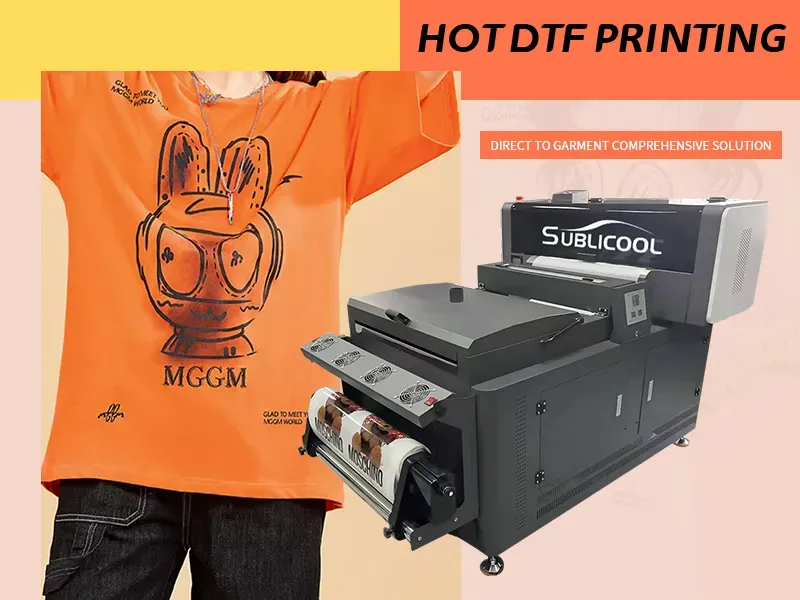
DTF printing technology, or Direct-to-Film printing, is setting a new benchmark in the apparel industry, merging cutting-edge technology with sustainability. This method allows for ultra-high-quality, full-color designs to be directly printed on a special film, ready for application onto fabrics through heat transfer. As the demand for custom apparel rises, clothing brands are increasingly embracing this innovative fashion printing technology that streamlines production while reducing environmental impact. With its ability to deliver vibrant colors and intricate details, DTF printing is not only transforming how designs are created but also enhancing the versatility and personalization options available for consumers. As we delve deeper into the world of DTF printing, it's clear that this technology is at the forefront of sustainable fashion solutions for the modern apparel landscape.
Direct-to-Film printing, often praised as a revolutionary method, signifies a pivotal advancement in fabric decoration techniques, offering brands an efficient pathway to remarkable garment customization. This transformative printing process, which allows intricate artworks to be easily transferred onto an array of materials, is fast becoming a preferred choice in the clothing sector. By merging elements of direct-to-garment printing with the speed of traditional methods, this fashion printing solution opens up new avenues for designers and manufacturers to innovate while practicing sustainable fashion. As eco-conscious consumers demand unique and personalized pieces, the role of technologies like DTF cannot be underestimated in shaping the future of the apparel industry.
Understanding DTF Printing Technology
DTF printing technology is at the forefront of modern apparel production, allowing for remarkable flexibility and creativity in design. This innovative process not only provides high-resolution images with vivid colors but also simplifies the workflow by utilizing a unique film-based transfer method. Unlike traditional screen printing, which can be cumbersome and limited by color complexity, DTF enables designers to print intricate patterns on high-quality transfer films. These films can then be easily heat-pressed onto various fabric types, ensuring excellent adherence and durability.
Moreover, DTF printing technology is an ideal solution for fashion brands seeking to reduce their environmental footprint. The process commonly employs water-based inks that are less harmful than traditional solvent-based varieties, aligning well with the growing demand for sustainable fashion. As brand awareness around eco-friendly practices escalates, DTF technology is adapting to meet these needs, making it a preferable choice for companies aiming to create stylish yet environmentally responsible custom apparel.
Advantages of DTF Printing in Apparel Manufacturing
One of the most significant advantages of DTF printing is its ability to produce high-quality prints swiftly and efficiently. Manufacturers benefit from rapid turnaround times, enabling them to respond to market demands with unprecedented speed. This flexibility is crucial in today’s fast-paced fashion industry, where trends can shift overnight. Additionally, DTF technology reduces production costs by minimizing the need for extensive set-up processes associated with screen printing, allowing brands to allocate resources more effectively and remain competitive.
Moreover, DTF printing's versatility shines through its application across a variety of fabrics, ranging from cotton to polyester blends, making it a favorite among custom apparel providers. The capacity to achieve consistent color quality across multiple fabric types ensures that fashion brands can maintain their aesthetic standards regardless of the garment material. As brands embrace customization, DTF allows for the creation of unique pieces tailored to consumer preferences, thereby enhancing the customer experience.
The Role of DTF Printing in Sustainable Fashion
As the apparel industry shifts towards sustainable fashion practices, DTF printing technology plays a pivotal role in this transformation. The eco-friendly nature of DTF processes, which rely primarily on water-based inks, reduces harmful waste and emissions compared to traditional printing methods. With consumers increasingly prioritizing sustainable options, brands employing DTF technology find themselves well-positioned to appeal to environmentally conscious shoppers, thus solidifying their market presence.
Additionally, DTF printing contributes to sustainability through reduced production waste. By enabling on-demand printing and minimizing the necessity for large inventory stocks, brands can operate with a more sustainable business model. The technology allows businesses to create custom apparel without the burden of overproduction, which is a critical factor in the industry's growing focus on reducing environmental impact. This alignment with sustainable practices not only enhances brand reputation but also fosters consumer loyalty.
DTF Printing Technology in Custom Apparel
The customization potential offered by DTF printing has revolutionized how brands approach personalized apparel. With the ability to print unique designs on demand, brands can cater to individual customer preferences, resulting in an enhanced shopping experience. This has become increasingly vital in a marketplace where consumers reject mass-produced items in favor of personalized and bespoke clothing.
Furthermore, DTF printing technology provides designers with the freedom to explore unlimited design options. This accessibility empowers small businesses and independent designers to compete alongside larger brands. By creating custom apparel through DTF methods, brands can offer distinctive pieces that resonate with their target audiences, thus driving engagement and sales in a competitive market.
Challenges and Considerations in DTF Printing
Despite its advantages, the adoption of DTF printing technology does present certain challenges that businesses must navigate. Initial investment costs for high-quality DTF printers can be substantial, potentially posing a barrier for smaller companies looking to integrate this technology into their operations. Additionally, training staff to effectively use DTF printing equipment may require time and resources, impacting operational efficiency initially.
Moreover, the durability of DTF prints raises important considerations. While DTF technology is celebrated for its high-quality output, brands must weigh print longevity against other printing methods, such as screen printing. Ensuring that printed designs withstand wear and tear is crucial for customer satisfaction, and brands must implement rigorous testing to maintain quality standards, balancing the innovative benefits of DTF against its potential drawbacks.
Future Trends in the DTF Printing Market
Looking ahead, the potential for growth within the DTF printing segment of the apparel industry appears promising. Market analysts forecast increasing demand as more brands discover how DTF technology can streamline production and enhance customization. As companies become more familiar with the efficiency and quality advancements DTF offers, this printing method is poised to become a mainstay in garment production, driving innovation across the sector.
Additionally, the rapid evolution of printing technology suggests that future developments could lead to even more efficient processes. Innovations in printer capabilities and software enhancements will likely streamline operations further, allowing brands to refine their production techniques. As DTF printing continues to evolve in response to market needs, its impact on the apparel industry is anticipated to grow, reshaping how clothing is designed and produced in the years to come.
Frequently Asked Questions
What is DTF printing technology and how does it benefit the apparel industry?
DTF printing technology, short for Direct-to-Film printing, is an innovative printing process designed for the apparel industry. It allows for high-quality, vibrant prints on fabric without the need for multiple screens, which is typical in traditional methods. This leads to faster production times, improved customization options, and better sustainability through the use of water-based inks, making it increasingly popular among fashion brands.
How does DTF printing technology compare to traditional fabric printing methods in the fashion printing technology sector?
Compared to traditional fabric printing methods, such as screen printing, DTF printing technology offers several advantages. It eliminates the need for separate color screens, which reduces setup time and costs. Additionally, DTF printing delivers superior print quality with a wider color range and finer details. This efficiency and versatility make it a preferred choice for brands in the fashion printing technology sector.
Why is DTF printing technology gaining popularity in custom apparel production?
DTF printing technology is gaining traction in custom apparel production due to its ability to produce unique designs quickly and cost-effectively. The technology supports intricate and detailed patterns on various fabric types, enabling brands to offer personalized clothing options. Furthermore, its eco-friendly practices resonate with consumers seeking sustainable fashion choices, contributing to its rise in the custom apparel market.
What are the sustainability advantages of using DTF printing technology in the apparel industry?
DTF printing technology enhances sustainability in the apparel industry by utilizing water-based inks and generating less waste compared to traditional screen printing. These environmentally friendly practices align with the growing demand for sustainable fashion. By adopting DTF printing, brands can minimize their ecological footprint while continuing to produce high-quality, vibrant apparel that appeals to eco-conscious consumers.
What challenges do businesses face when adopting DTF printing technology in their apparel production?
While DTF printing technology presents many benefits, businesses may encounter challenges such as the initial cost of high-quality printers and the need for employee training. Additionally, concerns about the durability of DTF prints compared to traditional methods, like screen printing, require brands to balance print quality with lifespan. Addressing these challenges is crucial for businesses looking to implement DTF printing technology.
How is DTF printing technology expected to shape the future of the fashion industry?
DTF printing technology is poised to significantly influence the future of the fashion industry by facilitating quicker production cycles and enhancing product customization. As brands continue to embrace this technology, it is anticipated that DTF will become a mainstream method in garment manufacturing. This shift will likely lead to more eco-friendly practices and innovative design possibilities within the apparel sector.
| Key Point | Details |
|---|---|
| Introduction | DTF printing technology reshapes the apparel industry by merging DTG and screen printing benefits. |
| Overview of DTF Printing | Using advanced techniques, DTF printing produces intricate designs without screens, appealing for customization. |
| Advantages | 1. High-quality prints 2. Efficiency and speed 3. Eco-Friendliness 4. Cost-Effectiveness |
| Current Trends | Rising adoption in fashion, fueled by customization and reduced production waste. |
| Technological Advances | New printers and software improvements enhance resolution, speed, and user experience. |
| Market Forecast | Projected growth as demand for DTF printing capabilities increases among brands. |
| Challenges | Initial investments in technology and durability concerns of prints compared to screen printing. |
Summary
DTF printing technology is revolutionizing the apparel industry by introducing innovative methods that enhance garment production. As this technology evolves, it offers clothing brands sustainable and efficient solutions that cater to consumer demands for personalized and high-quality products. The advantages of DTF printing, including its vibrant color reproduction, quick production times, and eco-friendly practices, position it as a leader in modern manufacturing. As brands increasingly adopt DTF printing technology, they are not only meeting the expectations of a fast-paced market but also reducing their environmental footprint, potentially reshaping the future landscape of fashion.