
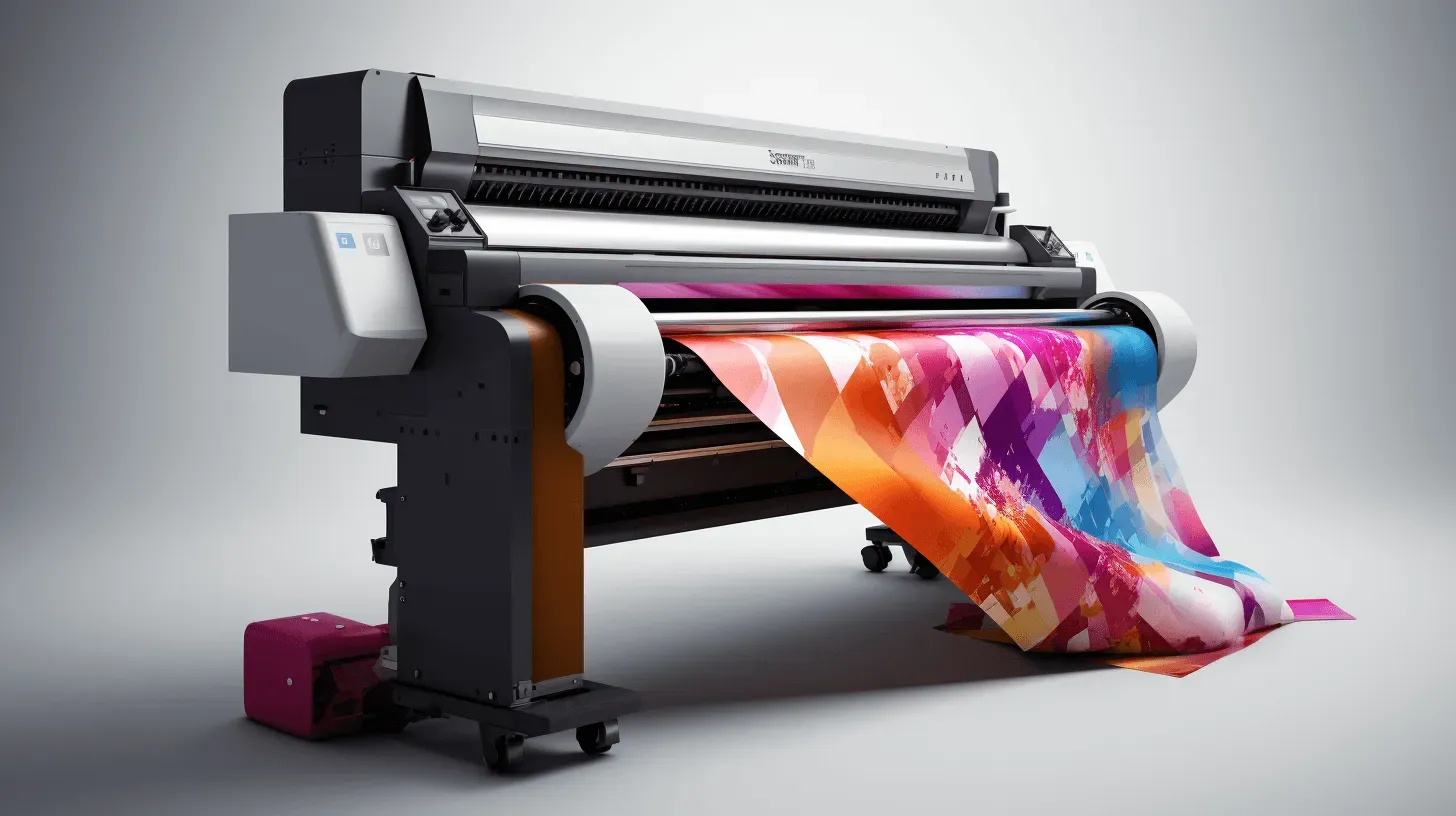
DTF printing, or Direct-to-Film printing, is revolutionizing the custom printing landscape with its precision and versatility. This innovative printing technology enables designers and businesses to apply intricate graphics directly onto a variety of fabrics, opening up new horizons for customization. One of the standout benefits of DTF printing is its vibrant color output and durability, making it a preferred choice in both fashion and home textiles. As we witness significant growth in the DTF printing market, understanding its advantages compared to traditional methods like screen printing becomes essential for those looking to enhance their production capabilities. This article will explore the benefits of DTF printing and its potential to transform the custom printing industry, particularly in the face of rising demand.
Direct-to-Film technology has emerged as a game-changer in the realm of personalized fabric printing, providing businesses with a superior method of producing detailed designs. Known for its compatibility with multiple fabric types and high-resolution output, this modern printing solution gives companies an edge in creating unique, customized products. The shift towards custom printing solutions highlights the significance of DTF printing as a key player in the burgeoning printing market. By examining the dynamics of DTF vs screen printing, we can better understand the implications this technology holds for artists and manufacturers alike. As we dive deeper into the advantages of this custom printing technology, it becomes clear that DTF printing is not just a trend but the future of fabric design.
The Growing Popularity of DTF Printing
Direct-to-Film (DTF) printing has gained significant traction in the custom printing industry, primarily due to its versatility and quality. As consumers increasingly demand personalized products, DTF provides a solution that can cater to a variety of fabrics and design requirements. With its ability to produce vibrant colors and intricate patterns, DTF has become a preferred choice for smaller businesses looking to enter the customization market without the hefty upfront costs associated with traditional methods.
Recent market research indicates that the DTF printing sector is witnessing exponential growth, fueled by advancements in technology and an increasing appetite for unique printed materials. This growth leads to an influx of new players in the market, driving innovation and competition. As more companies recognize the potential of DTF, we can expect to see not only expanded applications across industries but also enhanced printing techniques that push the boundaries of what can be achieved in custom printing.
Frequently Asked Questions
What is DTF printing and how does it work?
DTF printing, or Direct-to-Film printing, is a custom printing technology that involves printing high-resolution designs onto a special transfer film. The printed film is coated with adhesive powder and then heat-pressed onto a garment, resulting in vibrant and durable prints that can be applied to various fabrics.
What are the main benefits of DTF printing compared to traditional methods?
The benefits of DTF printing include its wide compatibility with different fabric types, high-resolution and colorful outputs, and cost-effectiveness for small batch orders. Unlike traditional screen printing, DTF requires lower setup costs, allowing businesses to offer customization without significant overhead.
How does DTF printing compare to screen printing?
When comparing DTF vs screen printing, DTF printing offers greater flexibility for various fabric types and smaller batch sizes. DTF also eliminates extensive prep work and costs associated with screen printing setups, making it a more accessible option for businesses looking to provide customized designs.
What is driving the market growth for DTF printing technology?
The DTF printing market growth is primarily driven by the increasing demand for customized products in sectors like fashion and home textiles. A projected compound annual growth rate (CAGR) of approximately 10% from 2023 to 2030 highlights the rising adoption of innovative printing technologies among businesses.
What advancements are being made in DTF printing technology?
Recent technological advancements in DTF printing include improved ink formulations and upgraded printing machines with enhanced speed and color management systems. These developments are essential for meeting consumer demands for rapid and high-quality custom printing solutions.
What challenges do businesses face when adopting DTF printing?
Businesses adopting DTF printing may face challenges such as ensuring print longevity and the initial investment costs for high-quality printers. While DTF prints are vibrant, maintaining durability against washing and wear is crucial, and the upfront costs can deter potential new adopters despite long-term savings.
| Key Features | Details |
|---|---|
| What is DTF Printing? | A method that applies designs to fabrics via a direct-to-film process. |
| Advantages | 1. Wide Fabric Compatibility: Works with various fabrics (cotton, polyester). 2. High Resolution and Vibrancy: Produces sharp and colorful designs. 3. Cost-Effective: Ideal for small batch production. |
| Market Growth | Projected to grow at 10% CAGR from 2023 to 2030, driven by customized product demand. |
| Technological Advancements | Improvements in inks and machines enhance print durability and speed. |
| Challenges | 1. Print Longevity: Need for durable prints against washing. 2. Initial Investment: High upfront costs for quality printers may hinder new businesses. |
Summary
DTF printing is revolutionizing the custom printing industry by offering unmatched versatility and quality for fabric designs. This innovative method not only ensures vibrant and detailed prints but also caters to diverse fabrics, making it a go-to choice for businesses looking to provide unique customizations. As market growth accelerates and technology advances, adopting DTF printing will be vital for companies aiming to remain competitive in a rapidly evolving landscape. The potential for customization in this domain indicates a bright future, paving the way for unique fashion statements and home textiles that resonate with consumer desires.