
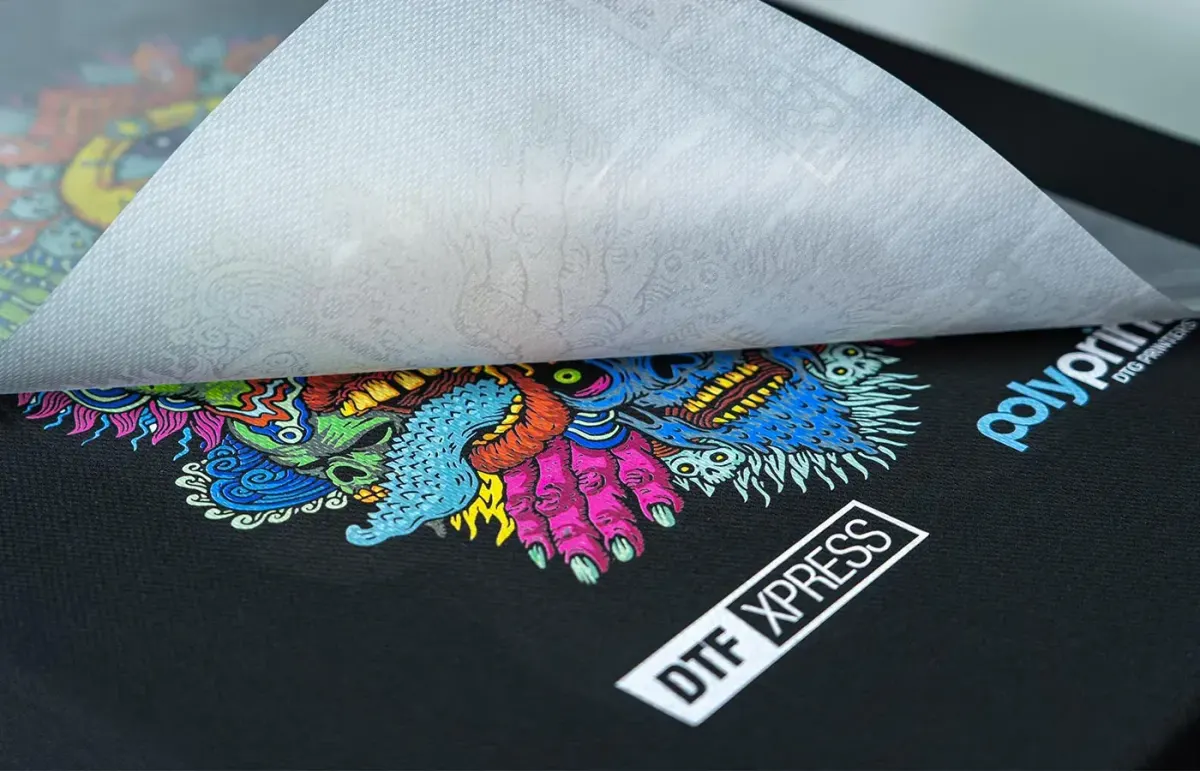
In the realm of modern printing techniques, DTF printing—short for Direct-to-Film printing—has swiftly established itself as a transformative force. This innovative method leverages Direct-to-Film technology to deliver vibrant and durable prints on various fabric types, setting it apart from conventional approaches like Direct-to-Garment (DTG) and screen printing. Not only does DTF offer exceptional quality and versatility, but it also aligns with current printing market trends by promoting sustainable practices, which have become increasingly important to consumers. With notable DTF benefits such as reduced waste and lower production costs, businesses are recognizing the potential for custom printing applications to thrive in this evolving landscape. As more companies embrace DTF technology, it is clear that this method will play a crucial role in shaping the future of the printing industry.
Direct-to-Film (DTF) printing technology is revolutionizing the way businesses approach custom merchandise production. This technique, often described as a modern alternative to traditional printing methods, allows for intricate designs to be transferred onto fabrics effortlessly and effectively. Enhanced compatibility with various materials makes DTF an appealing choice for brand customization and merchandise applications. As the industry trends shift towards more sustainable and eco-friendly practices, this printing solution stands out for its minimal waste and innovative ink formulations. In this fast-paced printing market, understanding the nuances of DTF is essential for any business looking to stay relevant and competitive.
What is Direct-to-Film Printing?
Direct-to-Film (DTF) printing represents an innovative leap in the realm of printing technologies, specifically aimed at enhancing customization in apparel and merchandise. This method allows intricate designs to be printed onto a specially coated film, which is later transferred onto various fabrics using heat applications. The versatility of DTF technology sets it apart from other traditional methods such as Direct-to-Garment (DTG) and screen printing, as it can be effectively used on a wide range of materials, including cotton, polyester, and blends. By providing high-resolution prints that maintain clarity and vibrancy, DTF printing caters to the increasing demand for customized solutions in the fashion and promotional product industries.
Moreover, DTF printing breaks down barriers for businesses looking to deliver quality custom print solutions without being limited by the type of fabric. Its adaptability allows designers and brands to explore creative possibilities that were previously constrained by traditional printing methods. As a result, DTF technology not only enhances artistic expression but also meets the diverse preferences of consumers, solidifying its place in the competitive landscape of custom printing.
The Advantages of DTF Technology in Custom Printing
DTF technology boasts several advantages that make it a highly sought-after solution in the custom printing sector. One of the primary benefits is the exceptional print quality that DTF delivers. Unlike traditional screen printing which can often result in faded or cracked designs, DTF prints retain their color and integrity wash after wash, ensuring lasting satisfaction for customers. Additionally, the ability to print on different fabric types broadens the potential applications of DTF across various industries, from fashion to promotional merchandise.
Businesses are also drawn to DTF technology due to its cost-effectiveness. As the price of DTF printers continues to drop, more small and medium enterprises can now offer high-quality printing services without incurring hefty investments. This democratization of printing technology enables startups and established brands alike to produce professional-grade products, enhancing overall competitiveness in the marketplace. Furthermore, the capability for rapid production times and diverse design options provides an added layer of efficiency, which is crucial in today’s fast-paced retail environment.
Sustainability and DTF Printing: A Perfect Match
As sustainability becomes an increasingly crucial factor in consumer purchasing decisions, DTF printing rises to meet these demands. This technology generates significantly less waste compared to traditional printing methods, particularly screen printing, which often relies on harmful chemicals and generates excessive byproducts. DTF’s waste reduction and eco-friendliness resonate with brands that prioritize ethical business practices, allowing them to appeal to environmentally conscious consumers.
Additionally, DTF technology utilizes innovative ink formulations that are less damaging to the environment. This shift toward greener practices not only helps brands to align with consumer values but also positions them favorably in the market. By adopting sustainable printing solutions like DTF, businesses can enhance their brand image while contributing to the overall effort of creating a more impactful and sustainable future in the printing industry.
Emerging Trends in the DTF Printing Market
The DTF printing market is rapidly evolving, driven by advancements in technology and shifting consumer preferences. As the demand for personalized merchandise continues to grow, businesses are increasingly looking to DTF printing as a viable solution to meet these needs. Current market trends reflect a significant uptick in the adoption of DTF technology across various sectors, including fashion, promotional materials, and home decor, indicating a broader acceptance of this innovative printing approach.
Companies are also recognizing the importance of flexibility and speed in production. Newly developed DTF printer models come with enhanced features such as faster heat application processes and high-capacity printing, enabling businesses to keep pace with the rapid turnaround times required by today’s consumers. Additionally, the trend of incorporating artificial intelligence and automation within DTF printing processes is beginning to emerge, further streamlining operations and enhancing productivity.
The Future Innovations in DTF Technology
The future of DTF printing is poised for significant growth as manufacturers collaborate to innovate and address the dynamic needs of the market. Emerging advancements are likely to introduce improved ink formulations that enhance print quality while maintaining environmental consciousness. Research suggests that as R&D continues to evolve, DTF printers may soon be equipped with advanced features, such as real-time monitoring systems that ensure optimal performance during printing processes.
Moreover, faster production speeds and greater color accuracy will undoubtedly make DTF technology an even more attractive option for custom printing businesses. As brands invest in broadcasting their unique character through personalized designs, the enhancements in DTF printing will support this trend, enabling companies to produce intricate, high-quality prints more efficiently. The synergistic relationship between technology advancements and market demands suggests that DTF printing will remain at the forefront of the printing industry in the years to come.
Why DTF is Crucial for Tomorrow's Print Industry
DTF printing represents not just a trend, but a pivotal evolution within the print industry that addresses modern challenges faced by businesses. As competition in the custom printing market intensifies, technologies like DTF offer essential advantages such as affordability, versatility, and superior print quality. Its capacity for broader fabric compatibility allows brands to cater to a diverse consumer base, ensuring that they can meet various demands with ease, thereby maintaining a competitive edge.
Furthermore, as pressure mounts for businesses to adopt sustainable practices, the eco-friendly attributes of DTF printing can lead to long-term economic and environmental benefits. In a landscape where consumers are increasingly aligning their spending with a brand's values, DTF printing provides a bridge to not only meet quality and service expectations but also connect with the ethical considerations of today’s market.
Frequently Asked Questions
What is DTF printing and how does it work?
DTF printing, or Direct-to-Film printing, is an innovative custom printing technique that transfers designs from a specially coated film onto fabric using heat application. This method allows for vibrant, durable prints on a variety of materials, including cotton, polyester, and nylon, making DTF printing versatile in the printing market.
What are the benefits of using DTF printing for custom merchandise?
DTF printing offers several benefits for custom merchandise, including high-quality prints that are long-lasting and vibrant. Unlike traditional methods, DTF prints do not fade or crack easily, making them ideal for items requiring durability. Furthermore, its compatibility with various fabrics enhances its appeal in the custom printing market.
How does DTF printing compare to Direct-to-Garment (DTG) printing?
DTF printing stands out from Direct-to-Garment (DTG) printing primarily through its versatility. While DTG is limited to cotton fabrics, DTF technology accommodates a wider range of materials, including synthetics. This enables greater options for custom printing, appealing to businesses looking to diversify their product lines.
Is DTF printing sustainable compared to traditional printing methods?
Yes, DTF printing is considered more sustainable than traditional methods like screen printing. It generates less waste and uses eco-friendly ink formulations. As many brands focus on sustainability, adopting DTF printing techniques aligns with the values of environmentally-conscious consumers.
What trends are shaping the future of DTF printing technology?
The DTF printing market is experiencing rapid growth, driven by trends such as increased accessibility of equipment, improvements in quality and versatility of prints, and innovations in heat transfer techniques. These factors are positioning DTF as a vital technology in the custom printing landscape, responding to rising consumer demands.
How much does it cost to get started with DTF printing?
Starting with DTF printing has become increasingly affordable, as new printer models can be acquired for under $10,000. This reduced cost lowers the barrier to entry for small and medium-sized businesses, enabling them to offer competitive custom printing services without prohibitive investments.
| Key Points | Details |
|---|---|
| Introduction to DTF Printing | A modern printing technology revolutionizing apparel and merchandise sectors. |
| Technology Overview | Transfers designs from coated film to fabric using heat, compatible with various materials. |
| Market Growth | Valued at over USD 1 billion by 2025, showing strong demand in apparel and customized products. |
| Increased Accessibility | DTF printer models available for under $10,000, lowering entry barriers for businesses. |
| Quality and Versatility | Produces vibrant, long-lasting prints, compatible with various fabric blends. |
| Sustainability Trends | Generates less waste, uses eco-friendlier inks compared to traditional methods. |
| Future Innovations | Expected advancements in heat transfer and ink formulations to enhance quality. |
Summary
DTF printing stands as a transformative force in the printing industry, with its innovative approach to product decoration allowing businesses to deliver vibrant, high-quality prints efficiently. By adopting DTF technology, companies can remain competitive in the fast-evolving market of custom printing, capitalizing on its lower costs and wider compatibility with various fabrics. Furthermore, as sustainability becomes increasingly vital to consumers, DTF's eco-friendly advantages position it as a preferred choice for brands aiming to resonate with conscientious customers. This dynamic technology not only meets the functional demands of modern apparel production but also aligns with the industry's push towards greener practices, making DTF printing a crucial asset for future growth.