
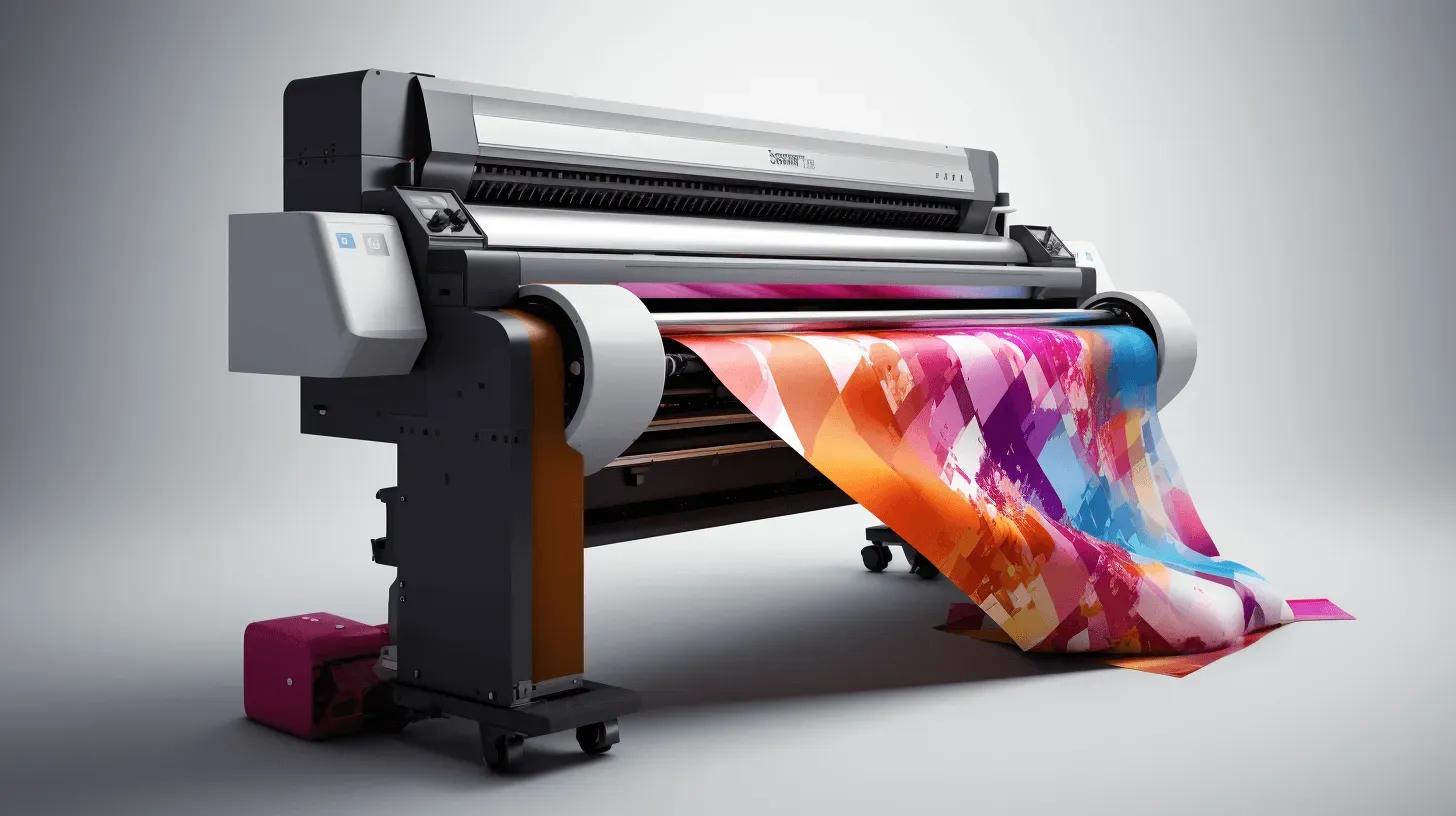
DTF printing, or Direct-to-Film printing, is revolutionizing the world of print technology, emerging as a key player in the custom apparel market. This innovative technique allows for vibrant, high-resolution designs to be seamlessly transferred onto various fabrics, making it a preferred choice among artists and small business owners alike. As sustainability becomes increasingly vital in consumer choices, DTF printing aligns well with eco-friendly practices by utilizing environmentally conscious materials and inks. Its versatility not only allows for print designs on a wide range of textiles but also caters to the creative community's desire for unique and personalized products. In this rapidly evolving landscape, DTF printing stands out as a sustainable and cost-effective solution, promising exciting possibilities for the future of printing.
Direct-to-Film printing, often abbreviated as DTF, represents a significant advancement in the realm of print technologies, especially tailored for creating custom apparel. With its capacity to deliver detailed and vibrant prints directly onto fabrics, this method caters to a diverse audience ranging from independent creators to established brands. The appeal of DTF lies in its sustainable approach, utilizing eco-friendly inks and materials that resonate with today's environmentally-conscious consumers. Moreover, this cutting-edge print technology fosters creativity and accessibility, empowering a larger segment of the creative community to bring their ideas to life without the heavy investment typically associated with traditional printing methods. As industries increasingly seek innovative solutions, DTF printing is gaining momentum as a reliable and sustainable choice for high-quality apparel.
Understanding the DTF Printing Process
DTF printing, or Direct-to-Film printing, is revolutionizing the way custom apparel is created. This method involves printing designs directly onto a special film, which is then heat-pressed onto the fabric. This unique process allows for incredible precision and detail, enabling creatives to produce complex graphics that would be challenging to achieve with traditional screen printing methods. DTF technologies have made it possible for designers to work with a wide range of fabrics, including cotton and polyester, further broadening the scope for artistic expression.
In addition to its technical capabilities, DTF printing is also becoming a preferred choice among freelancers and small business owners. The process not only reduces material waste compared to other print methods, but also allows for quick production runs. This adaptability is ideal for creatives who may be working on smaller projects or unique custom items, as it facilitates fast turnaround times without compromising quality. As a result, DTF printing is becoming synonymous with creative freedom and entrepreneurial success.
Another notable advantage of DTF is its ability to produce vibrant colors that stand out on various fabrics. Unlike traditional methods where ink is mixed and may limit color choices or result in higher costs for custom colors, DTF printing allows for a full spectrum of colors to be printed directly onto the film, which means every design can be as colorful and detailed as the artist envisions.
The versatility that DTF printing offers is not just limited to fabrics, but extends to a variety of items such as tote bags, hats, and even home textiles, making it a multifaceted tool for any creative looking to expand their range of product offerings.
Benefits of DTF Printing for Small Businesses
For small businesses and entrepreneurs, DTF printing holds significant advantages over traditional printing methods. One of the primary benefits is cost-effectiveness. With lower setup costs and minimal equipment required, small businesses can provide high-quality custom apparel without breaking the bank. This enables them to cater to niche markets and produce smaller batches of products tailored to specific customer needs.
Additionally, DTF printing not only cuts costs but also facilitates faster production times. Business owners can respond quickly to market demands, experiment with new designs, and adjust their inventory based on immediate customer feedback. This agility in production directly correlates to higher customer satisfaction and can lead to increased sales and brand loyalty.
Moreover, the low barrier to entry associated with DTF printing makes it accessible even for those new to the industry. Aspiring creatives can begin their journey in the printing business with minimal investment, allowing for more innovation and diversity in the market. This democratization of print technology means fresh ideas and designs continue to emerge, ultimately fostering a more vibrant creative community.
By leveraging DTF printing, small businesses position themselves to not only compete with larger brands but also to carve out their niche in an expansive marketplace.
The Role of Sustainability in DTF Printing
As environmental concern grows among consumers, many companies are actively seeking sustainable printing solutions. DTF printing stands out in this regard, as it often utilizes eco-friendly inks and materials that minimize harmful waste. The technology’s efficiency not only leads to reduced ink usage but also lowers energy consumption during production, making it a responsible choice for today's environmentally-conscious creators.
Moreover, sustainable printing practices resonate with a significant demographic of customers who prioritize eco-friendly products. By adopting DTF printing, businesses can appeal to this market while demonstrating their commitment to sustainability. This alignment with modern values helps brands build stronger connections with their audience, as consumers are increasingly drawn to companies that share their environmental ethos.
Furthermore, sustainability in DTF printing involves a holistic approach that encompasses not just the materials used but also the production processes. Adopting sustainable practices can enhance brand reputation and provide businesses with a competitive edge, all while contributing positively to the planet.
As more and more creatives embrace sustainable printing methods, DTF printing is poised to be a leading option in the quest for eco-friendly solutions in the apparel industry.
Exploring DTF Technology in Creative Projects
DTF printing unlocks a realm of creative possibilities for designers and artists. This technology enables them to push boundaries in their projects, from apparel creations to customized merchandise. Creatives can explore intricate designs and vibrant color palettes without facing the limitations associated with other printing methods, such as screen printing or heat transfer.
Moreover, DTF printing’s ability to work on various materials means that artists can experiment with textures and fabric types in their creative endeavors. This flexibility not only broadens the scope of what can be produced but also intertwines the artistic process with immediate practicality. For instance, a designer creating a limited edition collection can produce eye-catching pieces that captivate their audience's attention, enhancing brand visibility and engagement.
Additionally, the growing popularity of DTF printing has fostered a vibrant community of creatives who share their knowledge and techniques, contributing to a shared understanding of the process. This collaborative environment encourages innovation and sharing of best practices, ultimately benefiting the broader creative community.
Through platforms and forums dedicated to this technology, designers can showcase their work, gain inspiration, and learn from one another, further reinforcing DTF printing as a cornerstone of modern creative practices.
DTF Printing's Impact on Custom Apparel
The rise of DTF printing technology is reshaping the landscape of custom apparel, enabling designers to create innovative and custom-fit clothing that meets the demands of contemporary consumers. The technology allows for greater customization options, empowering customers to express their individuality through personalized apparel choices. Whether it's a unique graphic for a sports team, a distinctive logo for a small business, or a one-of-a-kind piece for an event, DTF printing makes it possible.
Furthermore, DTF printing streamlines the production process for custom orders. Unlike traditional methods that may involve lengthy setup times and limited color options, DTF can produce high-quality print outputs quickly. This efficiency is particularly beneficial for brands that offer “on-demand” services, allowing customers to receive exactly what they want without delay. Brands that utilize DTF printing can thus adjust their offerings more dynamically to cater to shifting trends and consumer preferences.
As custom apparel continues to grow in popularity, DTF printing is proving to be an essential component of this burgeoning market. Its ability to adapt to a wide range of needs while maintaining high standards of quality positions DTF technology at the forefront of custom apparel production.
This impact not only enhances product offerings but also fosters a greater connection between brands and their customers, paving the way for a more personalized shopping experience.
Future Trends in Printing Technology: DTF in the Spotlight
The forecast for DTF printing technology is promising, with industry experts predicting continued growth and adoption across diverse markets. The ongoing development of inks and printing techniques that enhance durability and color vibrancy will further solidify DTF's position among prominent printing methods. Such advancements will likely encourage even more creatives to explore DTF as a viable option for their projects, leading to an influx of new designs and products.
Moreover, as tech-savvy consumers and entrepreneurs become more involved in the art of printing, the demand for education on effective DTF techniques will grow. Workshops, online courses, and resources dedicated to mastering DTF printing will become increasingly accessible to all levels of users. This transition will likely contribute to a more skilled and knowledgeable community of users who can effectively leverage DTF technology, enhancing innovation within the space.
Overall, the spotlight on DTF printing technology reflects the industry's shift towards user-friendly, dynamic, and eco-friendly solutions. As creatives harness its potential, the future of printing will be characterized by high-quality, customized products that cater to the evolving needs of consumers, solidifying DTF's role as a leading method in the creative community.
This exciting future suggests that the creative possibilities available through DTF will continue to expand, enabling more artists and businesses to bring their visions to life.
Frequently Asked Questions
What are the main benefits of DTF printing for custom apparel?
DTF printing offers several benefits for custom apparel, including high-quality outputs with vibrant colors, versatility across various fabrics, and cost-effectiveness, making it an ideal choice for small businesses and creatives looking to produce unique designs.
How does DTF printing compare to traditional screen printing?
Unlike traditional screen printing, DTF printing allows for direct transfer of intricate designs with less setup time and lower costs. This print technology is more efficient for small runs and custom orders, significantly reducing turnaround times for creatives.
Can DTF printing contribute to sustainable printing practices?
Yes, DTF printing supports sustainable printing by utilizing eco-friendly inks and materials, which align with consumer preferences for environmentally responsible products. This makes DTF a great option for creatives who prioritize sustainability in their work.
Is DTF printing accessible for independent artists and small businesses?
Absolutely! DTF printing has become increasingly accessible, with various suppliers offering services that require minimal upfront investment. This democratization allows independent artists and small businesses to produce high-quality apparel without the need for expensive equipment.
What makes DTF printing popular in the creative community?
DTF printing is popular in the creative community due to its ability to produce intricate designs, cost-effectiveness for small orders, and flexibility across different materials. This versatility empowers artists, enabling them to experiment and customize their creations.
What industries are adopting DTF printing technology?
DTF printing is being embraced by a variety of industries, including fashion, promotional products, and retail. Major brands and small businesses alike are recognizing the benefits of this efficient print technology for creating custom apparel and merchandise.
| Key Points | Details |
|---|---|
| What is DTF Printing? | A method for printing designs directly onto a special film, which is then heat-transferred to fabrics. |
| Versatility and Quality | Able to print on various fabrics with vibrant colors and intricate designs, with minimal setup. |
| Cost-Effectiveness | Lower initial investment and operational costs make it ideal for small orders and rapid turnaround. |
| Sustainability | Utilizes eco-friendly inks and materials, aligning with consumer preferences for responsible practices. |
| Accessibility for Creatives | Numerous platforms offer DTF services, allowing affordable entry into the market without heavy equipment. |
| Industry Adoption | Embraced by both independents and major brands, DTF is redefining custom merchandise printing. |
Summary
DTF printing is revolutionizing the world of custom apparel, thanks to its innovative methods and benefits tailored for creatives. This technique, which stands for Direct-to-Film printing, streamlines the process of transferring designs onto various fabrics while ensuring vibrant quality and detail. By minimizing setup costs and maximizing versatility, DTF printing not only appeals to small businesses and freelancers but also aligns with modern sustainability practices that resonate with eco-conscious consumers. As more artists and brands recognize its advantages, DTF printing is likely to become a staple in the industry, facilitating greater creativity and efficiency in producing unique merchandise.