
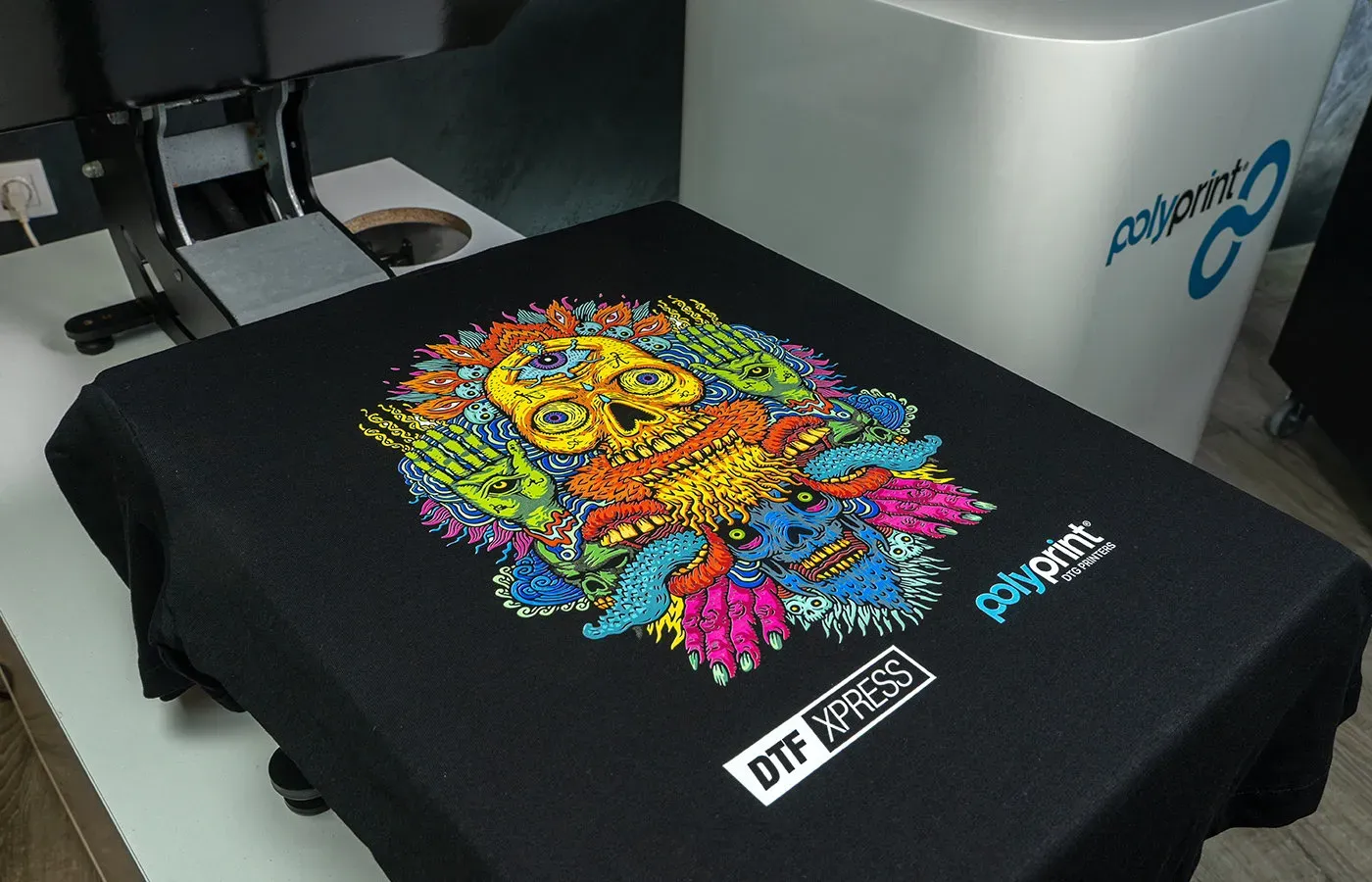
DTF printing, or Direct-to-Film printing, is rapidly transforming the landscape of textile printing, offering a fresh alternative for those seeking high-quality custom apparel. This innovative process involves printing vivid designs onto a special transfer film, which can be seamlessly applied to a variety of fabrics using heat and pressure. As businesses move towards modern print technology trends, DTF printing stands out for its versatility, allowing creators to print on materials ranging from cotton to polyester with ease. Additionally, it surpasses traditional screen printing techniques by providing durable, long-lasting prints that resist fading, even after multiple washes. In a marketplace increasingly interested in unique products, DTF printing becomes an attractive option for businesses looking to enhance their offerings and satisfy customer demand for personalization.
As digital printing techniques continue to evolve, the popularity of Direct-to-Film technology signifies a shift towards modern textile printing solutions. This method, often recognized as a favorable screen printing alternative, allows for an expanded range of creative expression in custom apparel production. With its ability to achieve vibrant colors and intricate designs, businesses are leveraging this print technology to meet the growing consumer desire for unique and personalized clothing items. DTF printing not only streamlines the production process but also addresses the demand for efficient and cost-effective solutions in the textile industry. By adopting this innovative approach, companies can stay ahead of market trends, providing high-quality products that resonate with today’s consumers.
The Advantages of DTF Printing Over Traditional Methods
DTF printing is rapidly making its mark as a leading alternative to traditional textile printing techniques such as screen printing and DTG (Direct-to-Garment) printing. The primary advantage lies in its ability to cater to a diverse range of fabrics, from cotton to more complex synthetic blends, without compromising print quality. This versatility allows businesses to expand their product lines significantly, providing a unique opportunity to capitalize on personalized fashion trends. Unlike screen printing, which entails a lengthy setup process involving screens and inks, DTF simplifies this workflow. The digital nature of the DTF process means that designs can be altered freely without incurring extra setup costs, saving both time and resources in the production cycle.
Moreover, the quality produced by DTF printing is unmatched, with vibrant colors and intricate details that can be achieved in a single print run. This advancement in print technology not only ensures that designs resonate well with customers but also maintains durability against fading, cracking, and peeling, even after repeated washes. For companies looking to enhance their brand appeal, offering products produced through DTF printing can serve as a reliable selling point, attracting customers who value quality and longevity in their apparel.
How DTF Printing Meets Modern Custom Apparel Demands
The surge in demand for custom apparel has created a unique niche that DTF printing is perfectly poised to address. Today’s consumers gravitate towards personalized products that reflect their identities and preferences, and DTF printing facilitates this by easily accommodating individual orders in smaller batches without the overhead costs associated with traditional methods. This allows businesses to offer a true customization experience, enabling customers to choose designs, colors, and fabrics tailored to their specific tastes.
Furthermore, with DTF technology, quick turnaround times are achievable, making it easier for businesses to fulfill customer orders promptly. As consumer expectations evolve towards instant gratification, the ability to produce high-quality, customized products within a short timeframe gives businesses a distinct competitive edge. This adaptability is crucial for meeting seasonal trends and one-off events, ensuring that businesses stay relevant in a fast-moving apparel market.
Cost-Effectiveness: The Economic Benefits of DTF Printing
In comparison to traditional printing techniques, DTF printing presents significant cost advantages, particularly for small to medium-sized businesses that may not have the capital to invest in extensive setups. DTF technology minimizes initial setup costs and allows for shorter production runs without a loss in quality. This cost-effectiveness stems from the fact that DTF doesn’t require expensive screens or plates, thus eliminating waste typically associated with screen printing.
Additionally, the streamlined nature of the DTF printing process means that less labor is required for preparation and execution, allowing businesses to allocate resources more efficiently. The ability to print multiple colors and complex designs in one pass not only reduces operational time but also minimizes material use, further enhancing profit margins. By lowering costs while maintaining high-quality outputs, DTF printing becomes an economically viable solution for businesses looking to invest in innovative technologies.
DTF Printing vs. Screen Printing: A Comparative Analysis
DTF printing and screen printing are often compared, but they cater to vastly different needs within the textile printing industry. While screen printing remains a popular option for bulk orders due to its low cost per unit at high volumes, DTF printing shines in situations where versatility and rapid turnaround are more beneficial. For businesses that require frequent adjustments to designs or wish to produce limited quantities without incurring excessive costs, DTF printing becomes the clear choice.
Additionally, DTF printing outperforms screen printing in terms of print quality, as it allows for finer details and a broader color spectrum. Graphic designs that incorporate intricate elements or require photographic clarity can be rendered effectively through DTF, surpassing the capabilities of traditional screen printing. Thus, businesses need to evaluate their production needs carefully and consider DTF printing as an adaptable alternative that can enhance product offerings while ensuring superior customer satisfaction.
Emerging Print Technology Trends Influencing DTF Adoption
As print technology continues to evolve, DTF printing stands at the forefront of recent innovations altering the landscape of textile printing. With advancements like improved print head technology and advancements in adhesive powder formulations, DTF printing has become more efficient and accessible to a broader range of businesses. These technological enhancements not only increase print speed and reliability but also improve overall print resolution, allowing for higher quality outputs that meet contemporary consumer standards.
Moreover, the trend towards sustainability is becoming increasingly significant within the textile industry. DTF printing typically uses less water and energy when compared to traditional printing methods, aligning itself with eco-conscious production standards. As consumers continue to prioritize ethically produced products, adopting DTF printing could bolster a brand’s commitment to sustainability, enhancing its appeal among environmentally aware buyers and planting a seed for growth in future markets.
Essential Considerations for Implementing DTF Printing in Your Business
When considering the transition to DTF printing, businesses need to assess several key factors to ensure a successful implementation. First, the initial investment in appropriate DTF printing equipment, which includes printers, heat presses, and specialized transfer films, must be carefully planned. It is vital for business owners to conduct thorough market research to make informed decisions regarding equipment brands and technology that will suit their specific production needs.
Additionally, investing in staff training is crucial to maximize the efficiency and quality of output during the DTF printing process. Understanding how to operate the equipment, as well as best practices for design creation, powder application, and heat transfer, will significantly influence the overall performance of the printing operation. By providing team members with the training necessary to handle the technology effectively, businesses can maintain consistent quality and enhance their competitive advantage in the market.
Frequently Asked Questions
What are the key advantages of DTF printing compared to traditional screen printing?
DTF printing offers several advantages over traditional screen printing, including versatility across numerous materials, cost-effectiveness for smaller runs, and the ability to deliver high-quality, vivid prints. Additionally, the DTF process has shorter preparation times, allowing businesses to meet quick turnaround demands more efficiently.
How does the DTF printing process work for custom apparel?
The DTF printing process involves creating a design, printing it onto a specially coated transfer film, applying adhesive powder, curing it with heat, and then transferring it to the fabric using a heat press. This method enables high-quality prints suitable for various custom apparel designs.
Can DTF printing be used on different fabric types?
Yes, DTF printing is highly versatile and can be used on a wide range of fabric types, including cotton, polyester, and blended materials. This makes it an excellent choice for producing diverse custom apparel and textile products.
What investments are needed to start DTF printing for a small business?
To start DTF printing, a small business needs to invest in DTF printers, transfer films, adhesive powders, and heat presses. While initial costs can vary, the decreasing prices of DTF equipment have made it more accessible for emerging businesses.
What are the latest trends in DTF printing technology?
Recent trends in DTF printing technology include improved printer models offering superior resolution and faster print speeds, alongside a growing demand for personalized and on-demand apparel. These advancements are enhancing efficiency and positioning DTF printing as a leading choice in textile printing.
How does DTF printing compare to Direct-to-Garment (DTG) printing?
While both DTF printing and DTG printing allow for detailed designs on fabric, DTF printing is often more versatile in terms of material compatibility and cost-efficiency for short runs. DTF printing also has a faster setup time, making it preferable for quick production needs in custom apparel.
| Feature | Description |
|---|---|
| What is DTF Printing? | A digital printing technology that prints designs on transfer film for application on various textiles. |
| Versatility | Can print on a variety of materials including cotton, polyester, and mixed fabrics, making it suitable for numerous products. |
| Cost-Effectiveness | Requires lower setup costs compared to traditional printing methods, ideal for short runs and custom designs. |
| High-Quality Prints | Produces vivid, long-lasting prints that resist fading, boosting customer satisfaction. |
| Simplified Process | Streamlined production process leading to faster order fulfillment and adaptability to market demands. |
| Recent Developments | The rise in demand for on-demand printing and new DTF printer models has made this technology more accessible. |
| Considerations for Businesses | Includes initial investment, training needs, and staying updated with market trends to leverage DTF technology effectively. |
Summary
DTF printing is revolutionizing the custom apparel industry with its advanced techniques and economical approach to creating vibrant designs. This innovative printing method delivers exceptional quality, cost savings, and adaptability, making it a leading choice for businesses looking to enhance their product offerings. With an increasing demand for personalized and quick-turnaround options, now is the perfect time to embrace DTF printing to elevate your business and meet growing consumer expectations.