
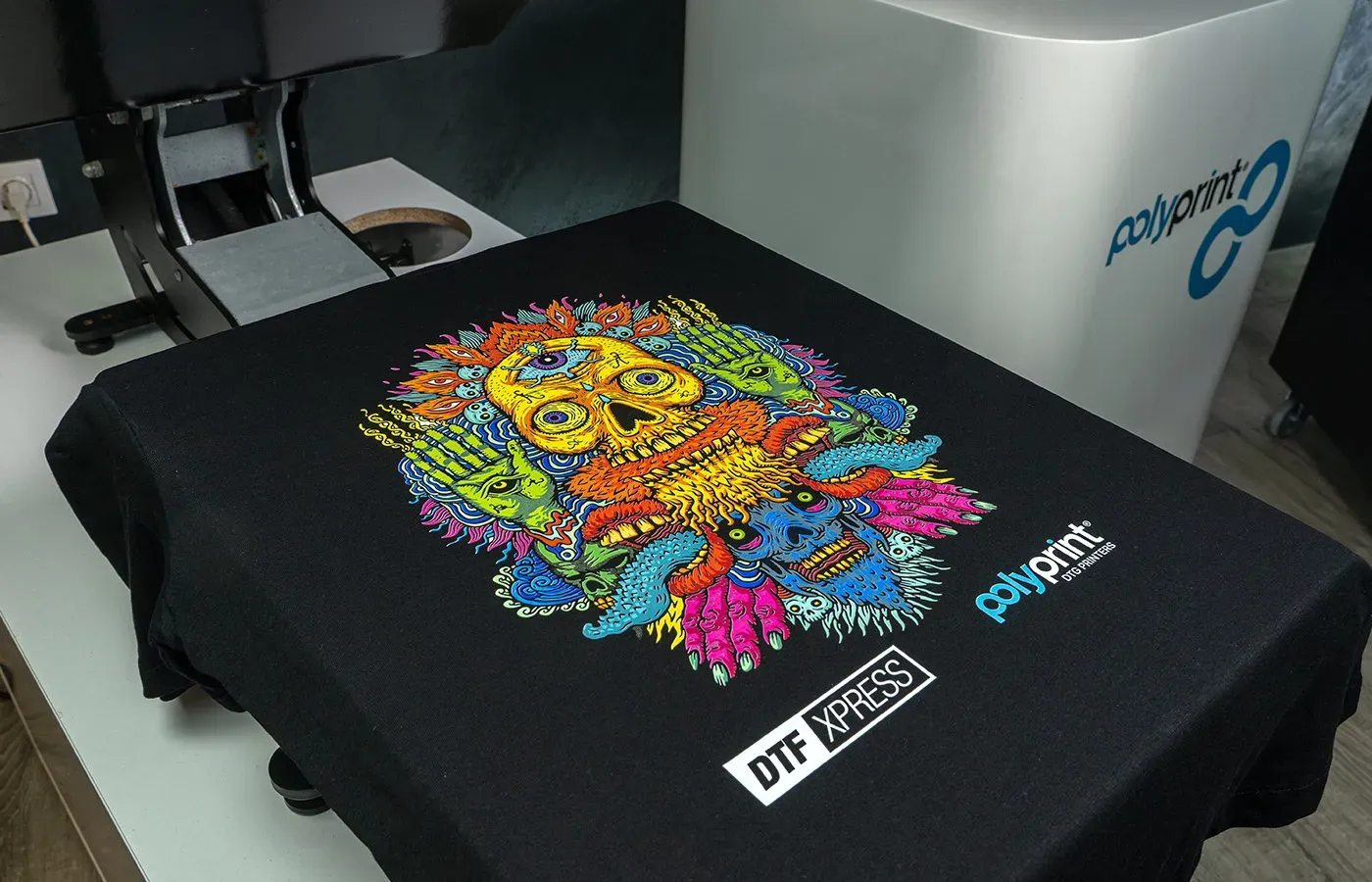
DTF printing, or Direct to Film printing, is quickly becoming a game-changer in textile printing technology, especially in the realm of custom apparel. This innovative method allows for stunning, full-color designs that adhere seamlessly to various fabric surfaces. By harnessing DTF technology, entrepreneurs can produce vibrant, intricate images that cater to customer demands for unique and personalized garments. The advantages of DTF printing extend beyond aesthetics, as it also offers durability and versatility that many traditional techniques struggle to match. Whether you're a small business owner or an aspiring designer, understanding DTF printing is essential for keeping pace in the evolving landscape of custom clothing.
In the ever-evolving world of textile production, alternatives such as Direct to Film printing have emerged as frontrunners, transforming how apparel is designed and manufactured. This approach, often referred to as DTF technology, combines innovative printing methods with the flexibility of direct transfers, allowing creative minds to produce personalized clothing effortlessly. With its ability to apply vivid imagery to a range of fabric types, DTF presents a compelling choice for those in the custom garment market. As the demand for unique textiles grows, mastering techniques like film printing is imperative for success. Embracing such advancements unlocks a plethora of opportunities for businesses eager to thrive in this dynamic sector.
Understanding DTF Printing and Its Process
Direct to Film (DTF) printing is a groundbreaking technology that has redefined how designers and businesses approach fabric printing. This method works by printing a design onto a specially formulated film, which is then heat transferred onto various types of textiles. The unique aspect of DTF printing is its versatility—it can be used on fabrics ranging from cotton to polyester, making it suitable for a diverse array of applications in the custom apparel sector. Additionally, the process allows for the reproduction of intricate designs with vibrant colors, thanks to the specialized inks used.
In comparison to traditional printing techniques such as screen printing, DTF printing boasts several advantages. For instance, it eliminates the need for multiple screens and setups, which can slow down production. Instead, a single transfer can cover an entire design, significantly reducing turnaround times for custom orders. This efficiency is particularly beneficial for businesses looking to meet tight deadlines or accommodate last-minute requests from clients.
Frequently Asked Questions
What is DTF printing and how does it work?
DTF printing, or Direct to Film printing, is a textile printing method that involves printing designs onto a special transfer film, which is then applied to fabric using heat and pressure. This modern DTF technology is known for producing vibrant and intricate designs, making it ideal for custom apparel and other fabric applications.
What are the advantages of DTF printing compared to other methods?
DTF printing offers several advantages over traditional methods such as screen printing and direct-to-garment printing. Key benefits include versatility to print on various fabric types, enhanced durability of prints, and superior color vibrancy, ensuring that custom apparel graphics remain bright and appealing after multiple washes.
How can I start a DTF printing business?
To start a DTF printing business, you should invest in quality DTF printers and heat presses, source high-quality films and inks, and gain hands-on experience through workshops. Experimenting with unique designs tailored to your target market can also enhance your custom apparel offerings and attract customers.
What types of fabrics can be used with DTF printing?
DTF printing is versatile and can be applied to a wide range of fabrics, including cotton, polyester, and blended materials. This flexibility makes DTF an excellent choice for creating custom apparel across different fabric types and applications.
What resources are available for learning DTF printing skills?
Numerous resources are available for learning DTF printing, including online tutorials, webinars, and workshops offered by industry experts. Websites like Printful and Stahls' TV provide educational content that covers essential aspects of DTF technology, material selection, and design optimization.
Why is DTF printing gaining popularity in the custom apparel industry?
DTF printing is rapidly growing in popularity due to its cost-effective production, ability to create detailed and colorful designs, and the increasing demand for personalized clothing. As more businesses recognize the advantages of DTF technology, they are integrating it into their production lines to meet the needs of a dynamic custom apparel market.
| Aspect | Details |
|---|---|
| What is DTF Printing? | A method that prints designs onto transfer film, which is then heat-pressed onto fabric. Allows for colorful, intricate designs suitable for custom apparel. |
| Technological Advancements | Improved print quality and faster production due to specialized inks and printers, making DTF a competitive alternative to traditional printing methods. |
| Market Trends | The growing demand for custom apparel is driving the DTF printing market. Expected expansion due to low operating costs and e-commerce growth. |
| Advantages of DTF Printing | - Versatile on various fabrics (cotton, polyester). - High durability and wash resistance. - Produces vibrant, detailed images. |
| Industry Adoption | Small businesses to large manufacturers are adopting DTF. More resources and training available to aid integration into production. |
| Getting Started with DTF Printing | Invest in quality equipment, source quality supplies, learn the craft, experiment with designs, and effectively market your products. |
Summary
DTF printing is revolutionizing the world of custom apparel, making it an essential topic for those looking to enhance their printing capabilities. By understanding the intricacies of DTF printing, including its technology, market growth, and inherent advantages, businesses can significantly elevate their offerings. This innovative approach not only allows for the creation of vibrant and durable prints but also caters to a wide range of fabrics, ensuring versatility in product offerings. As e-commerce continues to rise, embracing DTF printing positions brands to thrive in a competitive landscape, fostering creativity while meeting the demands of personalized merchandise.