
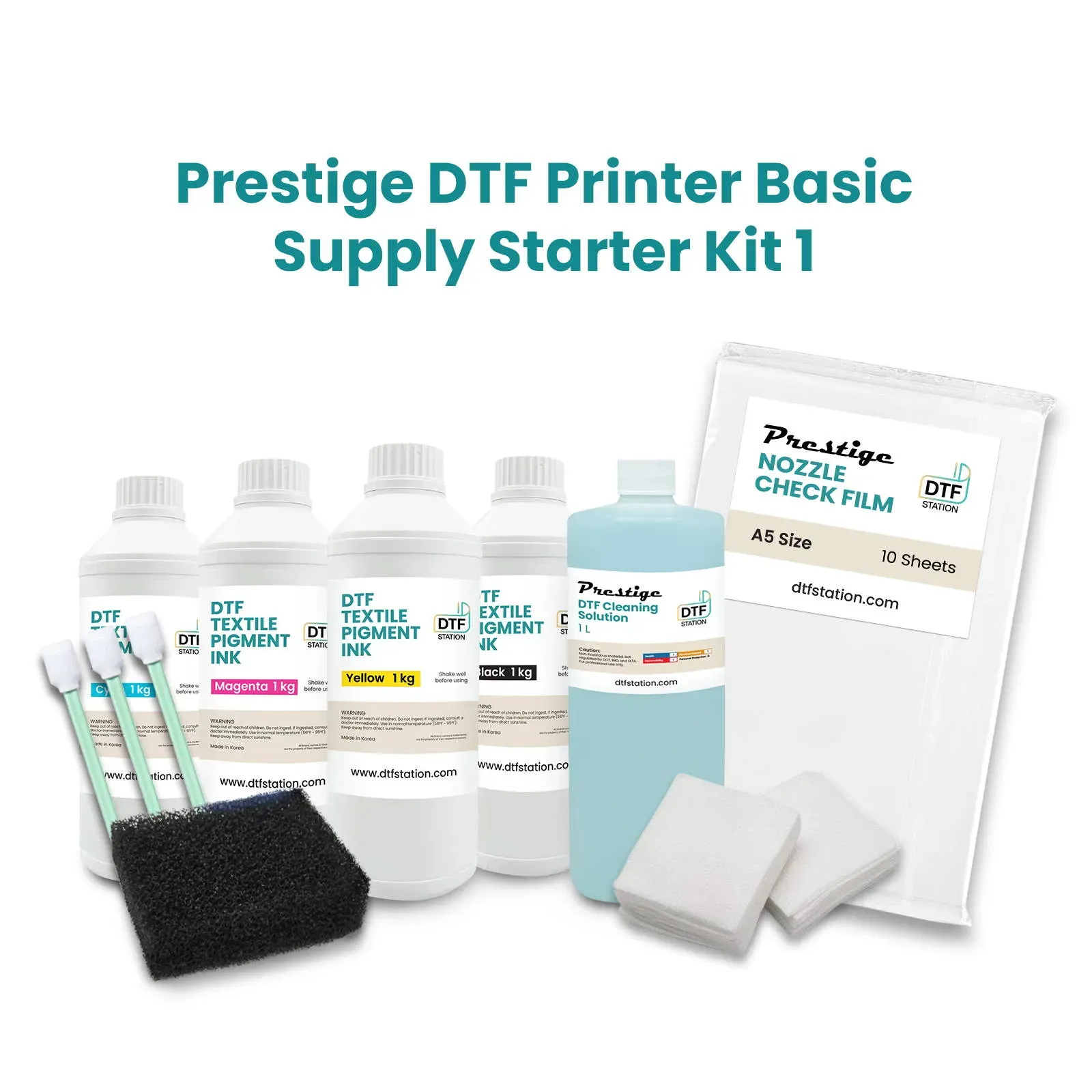
DTF Supplies play a crucial role in the rapidly evolving world of textile printing, particularly with the rise of Direct-to-Film (DTF) printing. This innovative printing method opens doors to vibrant colors and intricate designs that can be seamlessly applied to a wide variety of fabrics. With a plethora of DTF supplies available in the market, understanding how to select the right materials and techniques is essential for achieving optimal results. In this guide, we will explore important DTF printing tips, the significance of pre-treatment for DTF printing, and how to ensure DTF ink quality remains high. Join us as we uncover the secrets to mastering the art of DTF printing and elevating your fabric design projects.
In the realm of fabric decoration, Direct-to-Film techniques are reshaping the industry, enabling creatives to achieve stunning results with ease. The supplies needed for this innovative printing solution not only enhance the visual appeal of designs but also optimize the efficiency of the printing process. By delving into the essentials such as high-quality films, specialized inks, and effective pretreatments, professionals can leverage DTF technology to expand their creative possibilities. Whether you're a seasoned printer or just starting your journey in textile printing, understanding these critical supplies will empower you to produce durable and captivating prints. Embrace the benefits of this modern approach, and let your creativity flourish with the right DTF materials.
The Essentials of DTF Supplies You Need to Know
When entering the realm of Direct-to-Film (DTF) printing, knowing the correct DTF supplies is essential for achieving high-quality results. DTF supplies typically encompass various components necessary for the printing process, including PET film, DTF inks, and pre-treatment solutions. Each of these components plays a critical role in determining the final print quality and durability. High-quality supplies not only affect the vibrancy of colors but also influence the adhesion of ink to the fabric, thus impacting the longevity and performance of the printed designs.
In the world of textile printing, the quality of DTF supplies cannot be understated. For instance, using inferior PET film can lead to issues such as poor ink transfer and fading over time. Similarly, the choice of DTF inks is crucial; authentic, water-based inks are formulated especially for this process and offer superior results compared to generic inks. Additionally, pre-treatment solutions are vital for preparing fabrics for printing, ensuring a solid bond that enhances print durability. By investing in high-quality DTF supplies, businesses can significantly elevate their printing capabilities, producing designs that are not only visually stunning but also long-lasting.
DTF Printing Tips: Maximizing Your Output
To maximize your output in DTF printing, a few critical tips can enhance your workflow and final product. First, maintaining consistent printer settings is vital. Calibration of the printer settings concerning the material helps in achieving optimal heat transfer and ink adhesion. Testing different settings periodically can help in identifying the best conditions for specific fabrics, ultimately enhancing the quality of prints and preventing common issues like cracking or peeling.
Another important consideration is the design preparation. Utilize high-resolution graphics to ensure the best possible output. When preparing designs, consider the complexity and detail. Simple designs with clean lines often yield better results on the DTF transfer film and reduce the likelihood of errors during the transfer process. Also, monitoring the ink quality is crucial, as high-quality DTF inks can significantly affect the vibrancy of colors and the overall aesthetic of the final print.
Pre-treatment for DTF Printing: A Crucial Step
Pre-treatment for DTF printing plays a pivotal role in ensuring the success of your print projects. Proper pre-treatment enhances the bond between the ink and the fabric, leading to vibrant colors and improved durability. To effectively pre-treat your fabrics, it is essential to cleanse them of oils and contaminants by washing them before application. This ensures that the pre-treatment solution adheres well and that the ink can bond effectively during the printing process.
Several application methods exist for pre-treatment, including spray and pad applications. Each method has its advantages, and the choice may depend on the specific fabric and design requirements. Regardless of the method, ensuring that the pre-treated fabric is completely dry before printing is essential for achieving optimal results. Neglecting this step can result in weaker adherence of the ink to the fabric, leading to disappointing outcomes.
Understanding DTF Ink Quality for Superior Results
The quality of DTF ink is a crucial factor that influences the final output of your printing endeavors. High-quality DTF inks provide exceptional color vibrancy and consistency, which are critical in producing professional-grade prints. Using water-based inks specially formulated for DTF processes ensures that the colors remain bright and long-lasting, reducing the risk of fading after washing.
Furthermore, it is vital to source inks from reputable suppliers to guarantee that you are getting an authentic product. Counterfeit or low-quality inks can lead to numerous issues, such as ink bleeding, poor adhesion, and subpar color accuracy. Always conduct testing with varying shades and fabrics to understand how different inks perform with your chosen materials, ensuring your prints meet industry standards and your creative vision.
Post-Processing Techniques to Enhance DTF Prints
Post-processing techniques are essential in extending the durability and appeal of DTF prints. Following the completion of printing, washing the printed fabrics inside out in cold water is recommended. This method protects the print from potential fading caused by exposure to harsh detergents and ensures that the vibrant colors remain intact for longer periods.
Avoiding harsh chemicals is equally significant. Strong detergents and bleach can deteriorate the integrity of the DTF print, leading to discoloration and premature wear. Educating clients on proper care can prolong the lifespan of your products and enhance customer satisfaction, ultimately reflecting positively on your overall brand reputation.
Exploring Innovative Design Opportunities in DTF Printing
As DTF printing gains popularity, the exploration of innovative design opportunities becomes more prevalent. One fascinating aspect is the ability of DTF printing to utilize specialty inks designed for a variety of materials, expanding the scope of creative projects. Designers can experiment with printing on unconventional fabrics or surfaces, allowing for the creation of unique, standout pieces that attract attention in a saturated marketplace.
This flexibility is a significant advantage over traditional printing methods, offering creative professionals the chance to customize their designs and push the boundaries of textile art. By leveraging advancements in DTF printing and utilizing quality supplies, designers can elevate their projects, showcasing imaginative and vibrant works that resonate with consumers, ultimately driving sales and enhancing brand loyalty.
Frequently Asked Questions
What are essential materials for DTF printing?
The essential materials for DTF printing include high-quality PET film, authentic water-based DTF inks, and effective pre-treatment solutions. These elements ensure optimal adhesion, vibrant colors, and durability in your final print.
What is the importance of pre-treatment for DTF printing?
Pre-treatment is crucial in DTF printing as it enhances ink adhesion to fabrics, especially cotton and blends. Proper pre-treatment leads to better quality prints by ensuring the ink bonds effectively with the fabric during the transfer process.
How do I choose the right DTF supplies for my projects?
Choosing the right DTF supplies involves selecting quality PET films, authentic DTF inks, and effective pre-treatments. It’s important to consider the type of fabric you will use and ensure that the supplies are compatible with your specific printing requirements.
What are the recommended settings for DTF printing?
For DTF printing, it is recommended to use heat press settings between 160-180°C for 10-15 seconds. Always calibrate your printer and conduct test prints to fine-tune your settings based on the fabric type.
How can I improve DTF ink quality in my prints?
To improve DTF ink quality, always use authentic, water-based DTF inks specifically designed for this printing method. Ensure your printer settings are optimized, and utilize effective pre-treatment on fabrics to enhance adhesion and color vibrancy.
What post-processing techniques should I follow after DTF printing?
After DTF printing, wash printed fabrics inside out in cold water to maintain print integrity. Avoid harsh chemicals and bleach during washing to ensure the longevity and vibrancy of your prints.
| Topic | Details |
|---|---|
| Introduction | Overview of how DTF printing has gained popularity for its vibrant colors and detailed prints. |
| Understanding DTF Printing | DTF printing uses special PET film and heat for transferring designs, resulting in durable prints. |
| Key Materials | Essential materials include quality PET film, authentic DTF inks, and pre-treatment solutions for improved adhesion. |
| Printer Settings | Calibrate printer settings, focusing on temperature (160-180°C) and test prints for optimal results. |
| Pre-treatment Strategies | Pre-treat fabrics for better ink adhesion; clean fabric and use even application methods. |
| Post-Processing Techniques | Wash printed fabrics inside out with cold water and avoid harsh chemicals. |
| Innovative Design Opportunities | DTF printing allows for the use of specialty inks for non-porous materials, boosting creative possibilities. |
| Challenges | High-quality supplies can be costly and sustainability is becoming a priority in the DTF industry. |
Summary
DTF Supplies play a crucial role in the ever-evolving landscape of textile printing. As the demand for vibrant and enduring prints rises, understanding the core components of DTF supplies, from high-quality films and inks to proper pre-treatment and post-processing techniques, becomes essential for success. By investing in the right materials and strategies, both professionals and hobbyists can unleash the full potential of DTF technology, ensuring their artistic visions are realized on a wide range of fabrics. Keeping abreast of market trends and advancements can further enhance your DTF printing experience, making it a rewarding endeavor filled with creativity and innovation.