
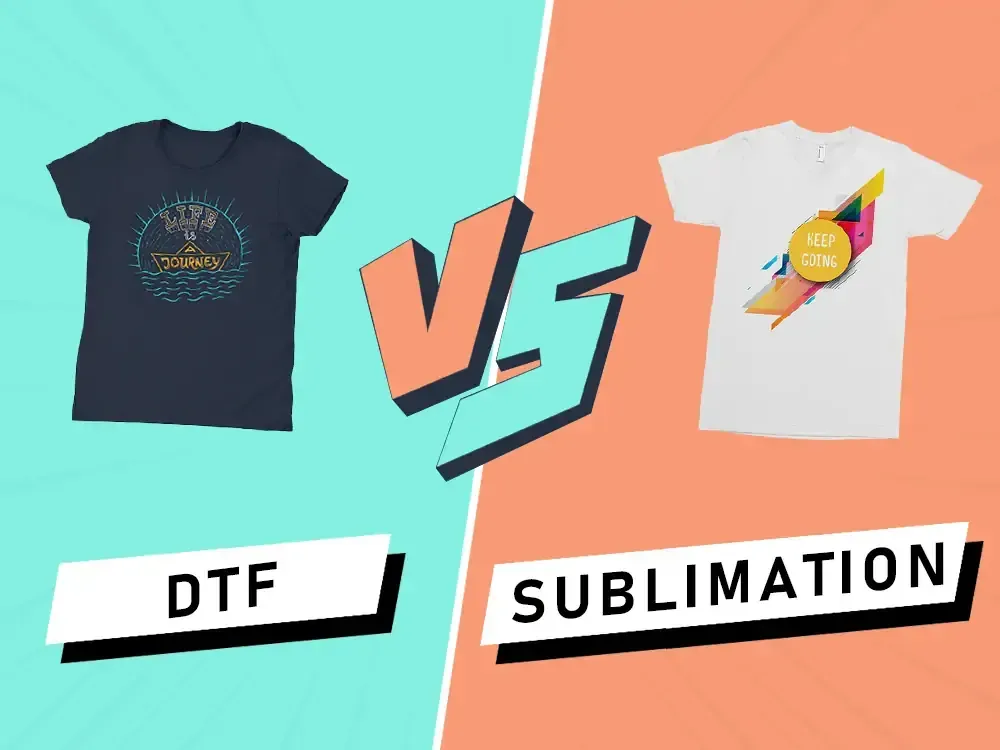
DTF vs Sublimation is a frequent topic among designers, printers, and garment hobbyists who want reliable results on a range of fabrics, from heavyweight cottons to sleek poly blends, because the choice affects texture, color, and long-term durability as much as it does production speed. Understanding fabric compatibility DTF sublimation is essential to avoid surprises when choosing between methods, so this guide breaks down how different fibers respond to heat, ink, and adhesion, and it offers a practical framework you can apply to real projects. Beyond the terminology, the decision comes down to how ink density interacts with fiber structure, how the adhesive bonds to the fabric, and how the finish holds up through wear and washing across cotton, blends, and synthetics. Sublimation tends to excel on synthetic fibers, delivering vivid color on polyester and high polyester blends with a soft hand and excellent colorfastness, while DTF supports a broader fabric range with careful calibration of the film, ink chemistry, and pressing parameters. If you are building a production plan, weigh cost per piece, lead times, and post‑press care to map a workflow that leverages the strengths of both approaches for diverse product lines.
From a terminology perspective, the topic can also be framed as two transfer technologies that apply pigment through film versus dye‑integration, each with its own fabric friendliness and finish. Considering fabric compatibility, workflow efficiency, and customer expectations, designers often combine these methods—matching the right process to cotton-heavy tees or polyester performance wear—to maintain quality at scale. Practically, this means testing swatches, adjusting temperature and pressure, and evaluating washability, color fidelity, and hand feel to ensure the chosen method meets the intended use.
DTF vs Sublimation: Core Process Differences and What They Mean for Your Projects
DTF (direct to film) and sublimation are two distinct heat-transfer methods that affect how designs are applied to fabrics. DTF relies on a printed film, adhesive, and a heat press to affix imagery to a wide range of materials, while sublimation uses dye-based inks that become part of the fabric fibers when heated. This difference in mechanism leads to different results in color, texture, and durability, and it sets the baseline for choosing the right method for a given project. In an overarching sense, understanding the DTF vs sublimation comparison helps designers map process decisions to substrate expectations and end-use requirements.
For designers and printers, the implication is clear: you’ll balance factors such as fabric type, hand feel, color saturation, and wash durability when deciding between these two methods. DTF offers versatility across many fabrics and can preserve fine detail on both cotton and blends, whereas sublimation excels when the substrate is polyester or polyester-rich and when bright, soft hand-feel results are top priorities. This foundational distinction guides not only fabrication choices but also workflow planning, from material sourcing to post-press finishing.
Fabric Compatibility Deep Dive: Fabric compatibility DTF sublimation Across Cotton, Polyester, and Blends
Fabric compatibility is the most influential factor when deciding between DTF and sublimation. Sublimation performs best on synthetic fibers—especially 100% polyester or high-polyester blends—because the dye bonds with the fabric during heat. DTF, in contrast, delivers reliable results across a broader spectrum, including cotton, cotton blends, and polyester, with variations in feel and opacity depending on adhesive chemistry and ink density.
DTF printing on cotton vs polyester highlights a key tradeoff: cotton-based garments can achieve vibrant color density with a soft hand when processed correctly, while polyester substrates tend to deliver sharper edges and more durable color with sublimation. Dark fabrics present an additional consideration, as DTF’s white layer can provide opacity before color layering, helping to yield bright visuals on darker backgrounds. This fabric-focused lens—often summarized as fabric compatibility DTF sublimation—helps studios tailor material selection to project goals.
Color, Detail, and Hand Feel: How Each Method Impacts Edge Crispness, Opacity, and Texture
Color fidelity and edge sharpness are areas where DTF and sublimation show distinct strengths. Sublimation can produce exceptionally smooth color transitions and fine detail on suitable fabrics, with the color becoming part of the garment and providing excellent wash durability on polyester. DTF, by contrast, can deliver high detail and strong color across a wider fabric range, though vibrancy and edge crispness can vary with adhesive quality, film, and pressing parameters.
When you need bold, high-contrast designs on cotton or blends, DTF often yields impressive results with good opacity and a soft hand—provided you optimize ink density, adhesive coverage, and press settings. Sublimation’s advantage on polyester often translates to a near-natural hand feel and vivid color blends, making it a preferred choice for performance wear and fashion items where texture and color harmony are critical.
Dark Fabrics and Substrate Strategy: Opacity, White Bases, and Coatings
Dark fabrics pose particular challenges and opportunities for both methods. DTF benefits from a white or opacity layer that precedes color application, enabling bright, legible designs on dark backgrounds without an extra base coat. This capability makes DTF a strong candidate for cotton-rich dark garments where opacity and color density are essential.
Sublimation on dark fabrics, however, typically requires a white base layer or a coated substrate of polyester-like behavior to achieve opacity. While this adds steps and can influence the feel, it remains viable for businesses that standardize on coated substrates or dense polyester fabrics. The substrate choice and pre-treatment steps are central to achieving consistent color and durability on dark apparel.
Cost, Workflow, and Production Velocity: When to Choose DTF vs Sublimation in a Studio
From a workflow perspective, DTF generally offers flexibility for mixed-fiber runs and smaller lots. The equipment mix—printer with solvent or UV-curable inks, DTF film, adhesive, and a heat press for finishing—tends to support diverse substrates and quicker setup for varied orders. While initial costs can be significant, many shops find DTF cost-efficient for short runs and on-demand production due to substrate versatility.
Sublimation can be more economical per piece for high-volume runs on polyester because the transfer process is straightforward and scalable. The need for polyester-friendly substrates and the possibility of rapid line production often translate into lower unit costs at scale, especially when color fidelity and long-term durability on polyester are key requirements. Operationally, sublimation also benefits from simplified post-processing, but you still must manage substrate selection, color management, and heat-press precision to maximize yield.
Practical Examples and Decision Framework: Cotton Tees, Jerseys, and Mixed Materials
For a run of cotton T-shirts with bold graphics, DTF is often a strong choice. It delivers dense color on cotton or cotton blends with a comfortable hand, and its forgiving substrate tolerance supports consistent results across varied fabrics within a single order. When the catalog includes mixed fabrics or a heavier presence of cotton, DTF’s flexibility becomes a practical operational advantage.
For sports jerseys or apparel made from polyester or high-poly content fabrics, sublimation can provide the brightest colors and exceptional wash durability, with color fidelity maintained across repeated laundering. For items that mix polyester panels with cotton sections or other natural fibers, a hybrid approach—dedicating sublimation to polyester portions and using DTF on cotton portions—can optimize both look and performance. This decision framework—often discussed in terms of the DTF vs Sublimation comparison—helps teams and brands balance aesthetic goals with production realities.
Frequently Asked Questions
DTF vs Sublimation comparison: which is better for cotton vs polyester fabrics?
In the DTF vs Sublimation comparison, DTF is more versatile across fabrics, delivering vibrant color and a soft hand on cotton and cotton blends, as well as strong color on polyester with sharp edges. Sublimation excels on polyester fabrics where colors are brightest and become part of the fabric. For 100% cotton or cotton-rich items, sublimation typically requires a coating or polyester substrate, which can add cost and alter feel.
Fabric compatibility DTF sublimation: how do results vary across cotton, polyester, and blends?
DTF works well on cotton, cotton blends, and polyester, with a soft hand and good opacity on cotton. Sublimation performs best on polyester and high-polyester blends, with colors that are bright and long-lasting. Dark fabrics can be handled by DTF due to the white layer, while sublimation on dark fabrics requires a white base or coating to achieve opacity.
DTF printing on cotton vs polyester: what differences in color, detail, and hand feel should you expect?
DTF printing on cotton typically yields vibrant colors with good opacity and a soft hand when pressed correctly. On polyester, DTF can deliver sharp edges and strong color retention; final detail depends on ink density, adhesive coverage, and press parameters.
Sublimation on dark fabrics: what are the extra steps and impacts on feel?
Sublimation on dark fabrics requires a white base layer or coated substrate to achieve opacity, adding steps to the process and potentially affecting hand feel and appearance. When done correctly, colors stay vibrant, but the extra base layer can alter texture.
Print durability sublimation vs DTF: which lasts longer on typical garments?
Sublimation often offers outstanding wash durability on polyester since the dye bonds with the fabric. DTF can also be durable, especially when the adhesive bonds well and the transfer is properly cured, but durability varies with fabric and finishing.
What workflow and cost considerations should guide choosing DTF vs Sublimation for a mixed-fabric catalog?
For mixed fabrics and small runs, DTF offers versatility and potentially lower setup costs. Sublimation can be more economical per piece for large volumes on polyester thanks to faster throughput and straightforward color management. Consider substrate quality, heat press parameters, and post-press finishing; run swatches and test prints before a full run.
| Aspect | DTF | Sublimation | Notes / Details |
|---|---|---|---|
| Definition | Direct to Film: printed film coated with adhesive, then pressed onto fabric with heat | Sublimation: dye-based process that transfers color from solid ink onto polyester fabrics by heat and pressure | Key contrast in setup and fabric interaction |
| Core interaction with fabrics | Adhesive-based transfer; film carries design and bonds to fabric | Dyes become part of the fabric fibers (requires suitable substrate) | Sublimation relies on fabric chemistry; DTF relies on glue/film |
| General fabric compatibility | Versatile across cotton, cotton blends, and polyester | Best on synthetic fibers, especially 100% polyester or high polyester blends | Sublimation colors bond to fabric; DTF handles mixed fabrics |
| DTF fabric specifics |
|
|
DTF specifics: adhesive and film calibration drive outcomes; see above items |
| Sublimation specifics | - |
|
Sublimation details: coating-enabled fibers; substrate matters |
| Color & detail differences | High detail on many fabrics; vibrancy depends on adhesive, film quality, and heat press parameters | Smooth color transitions on suitable fabrics; excellent wash durability on polyester | Color fidelity and edge crispness via process control; DTF offers broader fabric compatibility; sublimation shines on polyester |
| Practical considerations | Printer with solvent or UV-curable inks, DTF film, adhesive; heat press; versatile across fabrics; higher substrate variety costs | Heat press, sublimation inks, and polyester-compatible substrate; often lower per-piece cost at scale for polyester lines | Start with fabric type and design; test on swatches; optimize ink density, adhesive coverage, and press parameters |
| When to choose | Cotton-heavy items or blends; softer hand; versatile across fabrics | Polyester or coated substrates; vivid color; durability | Consider a mixed workflow to leverage strengths of both methods |
| Durability & care | Good wash durability if properly cured; varies with fabric and adhesive; follow care guidelines | Excellent wash durability on polyester; dye bonds with fabric | Follow recommended wash temps, avoid harsh detergents on printed areas; post-press curing helps longevity |
| Market practice & workflow | Commonly used with a mix of methods; hybrid approaches to meet customer needs | Widely used for polyester-dominant lines; efficient for high-volume production | Monitor advances; stay informed on new films, inks, and coatings; adjust as demand shifts |
Summary
DTF vs Sublimation is a practical comparison that designers and printers navigate to decide which method best suits fabric, finish, and production goals. The table above summarizes how fabric compatibility drives the choice, with DTF offering versatility across cotton-rich and blended fabrics while sublimation excels on polyester and coated substrates. You’ll see differences in color, detail, workflow, and durability, along with practical guidance on equipment, costs, and care. In practice, many shops use a hybrid approach that reserves sublimation for polyester-dominant items and relies on DTF for cotton-heavy or mixed fabrics, ensuring a broad product catalog and efficient production. By testing on representative swatches and tuning press parameters, you can maximize results for both methods and tailor your production plan to meet customer expectations across a range of garments and applications.