
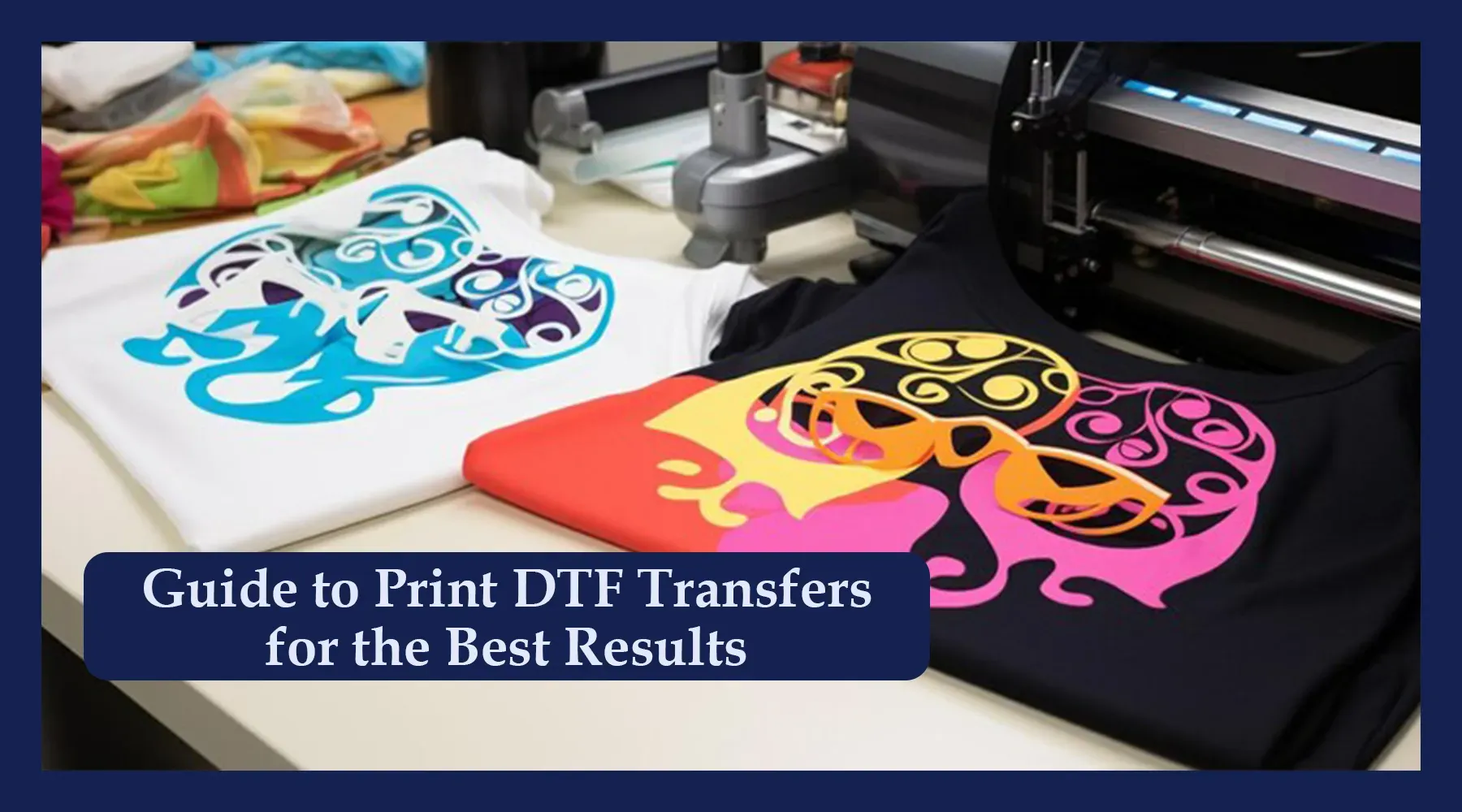
Mastering DTF Transfers is an essential skill for anyone looking to excel in custom apparel printing. This innovative technique, known as Direct to Film transfers, delivers vibrant, high-quality designs that adhere beautifully to fabrics, making it a game-changer in the world of DTF printing. By understanding the DTF transfer process and utilizing the right DTF transfer materials, creators can ensure their designs are not only striking but also durable. Whether you're crafting for personal use or aiming to start a printing business, mastering this method will provide endless possibilities for creativity and expression. In this comprehensive guide, we will explore the step-by-step techniques necessary to achieve stunning DTF prints that stand out.
The art of direct-to-film imaging has revolutionized the way we approach custom fabric decoration. Often referred to as DTF printing, this process allows for striking transfers that maintain excellent color fidelity and durability on various textiles. As you delve into the intricacies of using film transfers, you will uncover the various techniques, materials, and equipment essential for producing remarkable designs. Exploring the nuances of direct film applications can significantly enhance your creative output, whether for personal projects or commercial endeavors. This guide serves as your go-to resource for mastering these cutting-edge printing methods and elevating your custom apparel creations.
Understanding DTF Printing: A Comprehensive Explanation
DTF printing, or Direct to Film printing, has emerged as a revolutionary technique in the custom apparel printing industry. This method involves printing designs onto a special film, which is then transferred to fabric using heat and pressure. One of the key advantages of DTF printing is its ability to produce vibrant colors and intricate details, making it ideal for custom designs. Unlike traditional screen printing, the DTF transfer process allows for more versatility, as it can be applied to a variety of fabric types, including cotton, polyester, and blends.
The DTF transfer process begins with an image being printed onto a PET film using specially formulated inks. After printing, an adhesive powder is sprinkled onto the wet ink, which is then cured using heat to create a bond that will adhere securely to the fabric. This method not only improves the quality of the transfer but also ensures that the design remains durable and vibrant even after multiple washes.
Frequently Asked Questions
What are the essential materials needed for mastering DTF transfers?
To master DTF transfers, you need a DTF printer designed for transfer film, transfer film (usually PET coated), adhesive powder for bonding ink to fabric, a heat press for applying the design, and suitable fabrics like cotton or polyester.
How does the DTF transfer process work for custom apparel printing?
The DTF transfer process involves printing a design onto a special film using a DTF printer, applying adhesive powder to the printed design, curing it, and then using a heat press to transfer the design onto fabric, resulting in vibrant and durable apparel.
What are the key advantages of using DTF printing for custom designs?
DTF printing offers several advantages for custom designs, including vibrant color reproduction, excellent durability, compatibility with various fabrics, and the ability to produce high-quality prints quickly, making it a popular choice for custom apparel.
How can I ensure the best results when mastering the DTF transfer process?
To achieve the best results in the DTF transfer process, use high-quality DTF transfer materials, test different fabric types, ensure accurate printer settings for resolution and ink, and practice pressing techniques for optimal adhesion and design clarity.
What important tips should I consider when using DTF transfer materials?
When using DTF transfer materials, remember to mirror your design before printing, use CMYK color profiles for accuracy, experiment with various fabrics to determine compatibility, and always follow manufacturer instructions for curing and pressing.
Why is the quality of DTF printing ink crucial for successful transfers?
The quality of DTF printing ink is crucial because it affects color vibrancy, adhesion, and overall durability of the final design. Using high-quality inks designed for DTF transfers ensures that the prints withstand washing and wear over time.
| Step | Description |
|---|---|
| 1. Gather Your Materials | Collect essential items including a DTF printer, transfer film, adhesive powder, heat press, and suitable fabric. |
| 2. Design Your Art | Create or select your design using graphic software, ensuring proper mirroring and color settings for printing. |
| 3. Print the Transfer | Load the printer, configure settings, and print the design onto transfer film. Allow ink to dry completely. |
| 4. Apply Adhesive Powder | Evenly sprinkle adhesive powder on the dried design and cure it using heat to bind the powder correctly. |
| 5. Press the Transfer to Fabric | Pre-press the fabric, position the transfer film correctly, and use the heat press to transfer the design. |
| 6. Cool and Remove Transfer | After pressing, allow the transfer to cool and gently peel the film away to reveal the final design. |
Summary
Mastering DTF Transfers is an essential skill for crafters and apparel designers looking to elevate their custom creations. By understanding the step-by-step process detailed in this guide, you can harness the power of Direct to Film technology to transfer vibrant, durable images onto various fabrics. This innovative method not only streamlines your design workflow but also delivers professional-quality results, making your projects stand out. Whether you are a hobbyist or a business owner, mastering this technique opens up endless possibilities for creating stunning apparel that resonates with your aesthetic vision. Stay informed about the latest advancements in DTF technology to further enhance your skills and creativity in custom printing.