
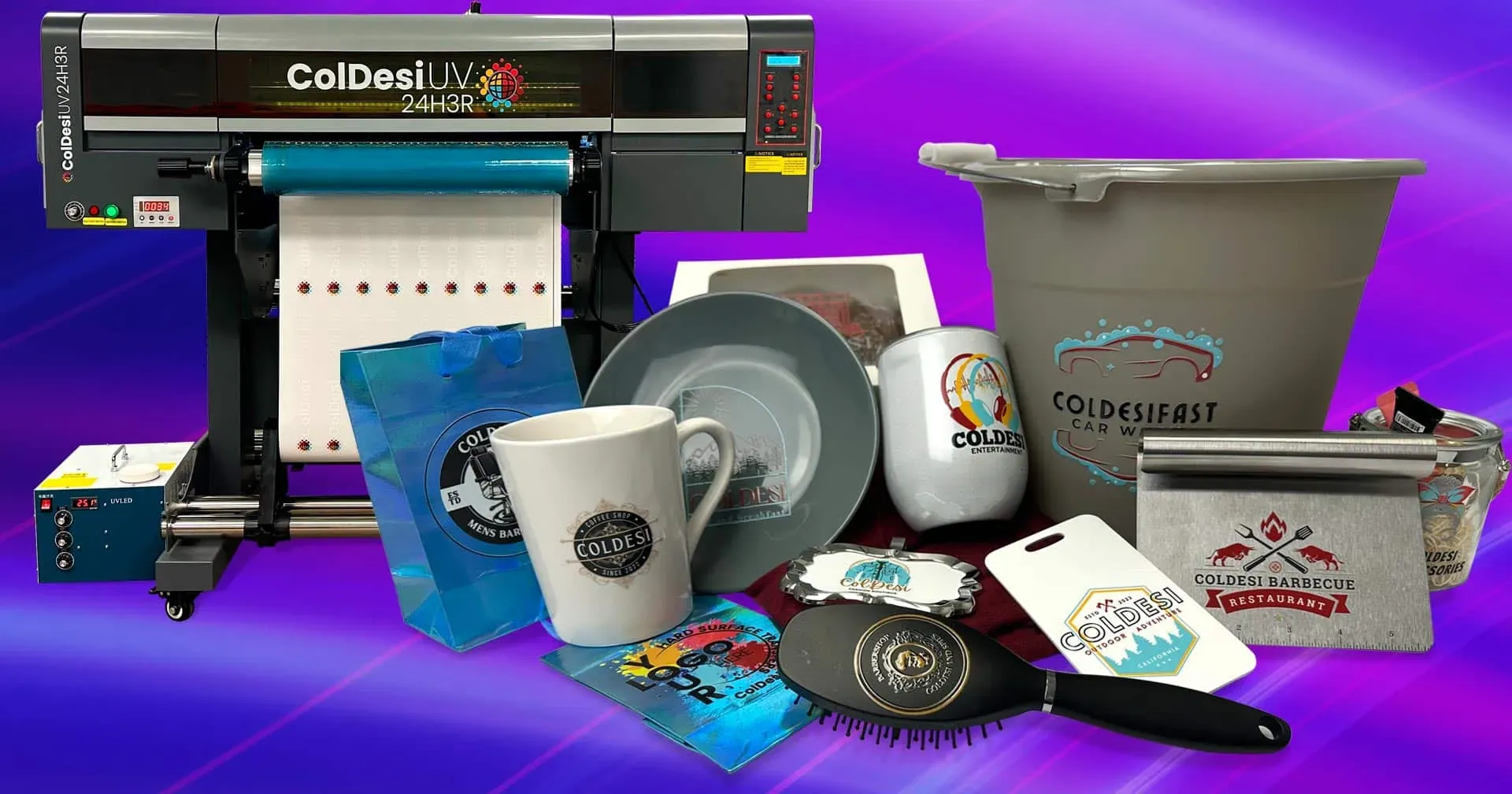
In the rapidly evolving landscape of printing, UV DTF printing emerges as a revolutionary technique that combines the best aspects of UV printing and Direct-to-Film methods. This state-of-the-art process enables users to achieve vibrant, high-quality prints on a wide variety of surfaces, ranging from fabrics to rigid materials. With UV inks that cure instantly under ultraviolet light, prints not only retain their brilliance but also exhibit remarkable durability, making them resistant to wear and tear. Additionally, UV DTF printing is user-friendly, requiring just a heat press machine for the transfer of designs, which opens up countless opportunities for both businesses and hobbyists alike. As we delve deeper into this guide, prepare to uncover essential steps for mastering UV DTF printing and elevate your creative projects.
Known also as UV Direct-to-Film printing, this innovative technique bridges the gap between traditional textile printing and modern digital approaches. Utilizing advanced printing technology, it allows for the application of colorful designs onto various materials by first transferring the images onto specialized film. This method is embraced by both professionals and DIY enthusiasts for its versatility and ease of use. The combination of sustainable UV inks and efficient heat transfer applications ensures that each print not only looks stunning but also withstands the test of time. Embrace the opportunity to enhance your printing capabilities as we explore the mechanics of UV DTF printing further.
Introduction to UV DTF Printing
UV DTF printing, a blend of UV printing and Direct-to-Film technology, is revolutionizing the way prints are created. This innovative method utilizes UV-curable inks which are cured instantly during the printing process, resulting in vibrant and durable images. Unlike traditional methods, UV DTF allows for printing on a wide variety of substrates, such as fabrics, plastic, and metal, making it an incredibly versatile option for both small businesses and large manufacturers.
The significance of UV DTF printing lies in its efficiency and quality. With UV inks that dry immediately upon exposure to UV light, the risk of smudging is eliminated, ensuring that the final product looks pristine. Additionally, the process is more environmentally friendly compared to solvent-based inks, as it produces lower volatile organic compounds (VOCs), appealing to eco-conscious businesses that wish to reduce their environmental footprint.
Essential Equipment for UV DTF Printing
To get started with UV DTF printing, acquiring the right equipment is paramount. The core component is a reliable UV DTF printer, preferably from reputable manufacturers like Epson or Roland. These printers are designed to handle the specific demands of the UV printing process, offering superior print quality and speed. Additionally, considering the printer’s capability to handle various media widths and types is crucial for diverse printing applications.
Another vital piece of equipment is a heat press machine, which is essential for transferring the prints onto the selected substrate. It is highly recommended to choose a heat press that operates at lower temperatures and shorter curing times, aligning with the requirements of DTF printing. Furthermore, using high-quality PU films and UV inks will significantly enhance the print's vibrancy and durability, assuring the longevity of the designs produced.
Design Preparation for UV DTF Printing
Effective design preparation is critical for achieving impactful prints in UV DTF printing. The design phase should ideally involve professional graphic design software such as Adobe Illustrator or CorelDRAW, which enables the creation of high-resolution graphics essential for detailed prints. Setting designs in CMYK color mode is also crucial for precise color reproduction during the printing process, allowing you to achieve the desired vibrancy and accuracy.
Keeping your designs simple and focused on bold colors can greatly enhance print results, particularly for those new to the DTF application. Simple designs translate better onto various media, and vibrant colors pop more effectively, ensuring the final printed product draws attention. By prioritizing these elements in your design phase, you can set the stage for a successful printing outcome.
The UV DTF Printing Process Explained
The process of UV DTF printing is both straightforward and efficient. Once your design is prepared, the first step involves loading the design into the printer’s software. It's essential to adjust the printer settings according to the media type and desired print quality, as this can significantly impact the results. The key here is to utilize the printer’s capabilities fully to capture intricate details and vibrant colors in your work.
After loading the design, you proceed to print it onto the DTF film. As the UV printer applies the inks, the UV light cures them instantly, locking in the colors and fine details. This innovative printing method ensures that the quality of your design remains intact, with prints that are not only visually appealing but also durable, ready for the transfer process onto various substrates.
Curing and Transferring UV DTF Prints
After printing, the curing process is crucial to ensure the print's longevity. Utilizing a UV lamp or the UV light system built into the printer, you will cure the inks effectively, which solidifies them and enhances their resistance against scratching and fading. This step is essential, especially for products requiring durability, such as apparel and promotional items.
Once cured, you can transfer the print to your chosen substrate. Position the printed film accurately onto the surface—be it fabric, plastic or harder materials like metals—and apply heat using your heat press machine. Following recommended temperatures and times for different materials is vital to avoid issues such as scorch marks or poor adhesion. After cooling, the final product should showcase a sharp and vibrant design that is ready to impress.
The Benefits of UV DTF Printing
UV DTF printing offers numerous benefits, making it an attractive option for printers and businesses alike. One of the standout advantages is its versatility; it can print on a variety of materials without compromising quality, from textiles to hard substrates. This ability opens up avenues for creating a wide range of products, from t-shirts and tote bags to promotional items and signage.
Durability is another significant benefit, as UV-cured prints are resistant to fading, scratching, and other forms of wear and tear. This resilience is particularly important for items that experience frequent handling or exposure to the elements, ensuring your prints maintain their vibrant appearance over time. Furthermore, the environmental benefits associated with using UV inks make this printing technique a preferred choice for many businesses that prioritize sustainability.
Frequently Asked Questions
What is UV DTF printing and how does it differ from traditional UV printing?
UV DTF printing, or UV Direct-to-Film printing, combines the benefits of UV printing with the versatility of DTF techniques, allowing high-quality prints on various substrates. Unlike traditional UV printing that directly applies ink to surfaces, UV DTF printing utilizes a film that is printed upon and subsequently transferred onto the desired material, enhancing its adaptability and ease of use.
What equipment is necessary for starting UV DTF printing?
To start UV DTF printing, you will need a UV DTF printer for optimal print quality, a heat press machine for transferring designs, UV inks for vibrant and durable prints, and compatible DTF films, typically made from PU (polyurethane), to ensure effective transfer and adherence to substrates.
How do UV inks used in UV DTF printing enhance print durability?
UV inks in UV DTF printing are cured instantly with UV light, solidifying the ink and creating a resilient layer. This process results in prints that are resistant to scratches, fading, and water, making them ideal for various applications, especially on items that undergo regular use such as apparel and promotional products.
Can UV DTF printing be applied to different types of substrates?
Yes, UV DTF printing is highly versatile and can be used on a wide range of substrates including textiles, plastics, metals, and wood. This flexibility allows businesses to cater to diverse markets by printing vibrant designs on various promotional items and apparel.
What is the role of the heat press machine in UV DTF printing?
The heat press machine is crucial in UV DTF printing as it applies heat and pressure to transfer the printed image from the DTF film onto the substrate. Proper temperature and duration settings must be adhered to for successful adhesion, ensuring a high-quality finished product.
What are the environmental benefits of using UV DTF printing?
UV DTF printing utilizes UV inks that generally have lower volatile organic compound (VOC) emissions compared to traditional solvent-based inks. This makes them more environmentally friendly while still maintaining high print quality, appealing to eco-conscious consumers and businesses.
| Key Point | Details |
|---|---|
| Introduction | UV DTF printing combines UV printing's precision with dye transfer methods, enabling vibrant prints on diverse substrates. |
| Equipment Needs | Key equipment includes a UV DTF printer, a heat press machine, and PU films compatible with UV inks. |
| Design Preparation | Use graphic design software to create high-resolution, CMYK color designs that are simple and bold. |
| Printing Process | Load your design into the printer software and print it onto DTF film using UV ink. |
| Curing the Print | Use a UV lamp to cure the print, ensuring durability and color vibrancy. |
| Transferring the Image | Position the cured film onto the substrate and use a heat press to adhere the design. |
| Final Touches | Inspect the design for imperfections and experiment with various substrates. |
| Benefits | UV DTF printing offers versatility, durability, and lower environmental impact. |
| Current Trends | Recent innovations focus on higher speeds, better color accuracy, and sustainability. |
Summary
UV DTF printing opens up a world of possibilities for creators and businesses alike. By understanding the equipment and processes involved and leveraging the versatility of this technology, you can produce high-quality prints that cater to a diverse clientele. Whether you are printing vibrant designs on fabrics or durable graphics on promotional items, UV DTF printing is set to revolutionize how we approach printing technology. Stay ahead in the printing industry by embracing this innovative technique, and continually explore new trends and opportunities to expand your offerings in this dynamic market.