
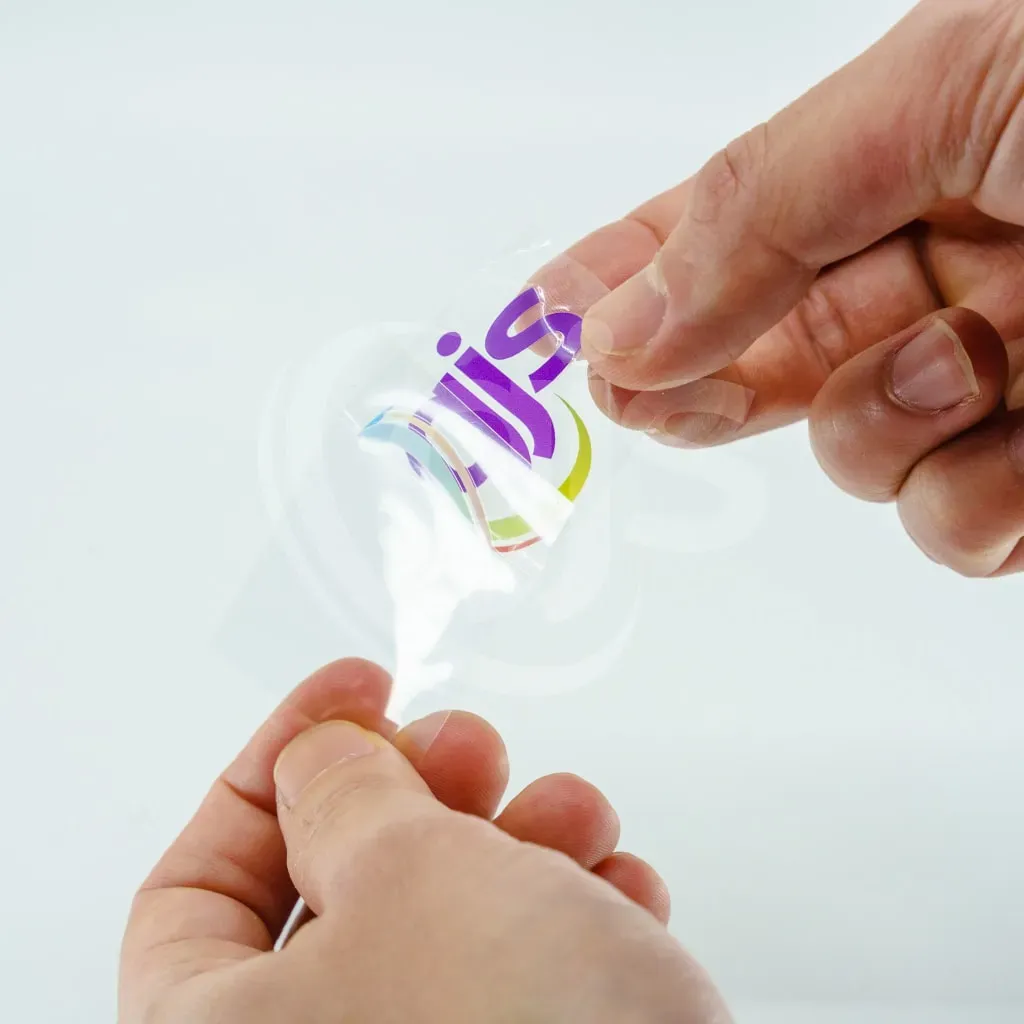
In the rapidly evolving realm of printing technology, UV DTF stands out as a transformative method that merges the advantages of traditional Direct to Film printing with advanced UV printing capabilities. This innovative approach utilizes ultraviolet light to instantly cure inks, delivering high-quality prints that catch the eye while being remarkably durable. As businesses seek sustainable printing solutions, UV DTF offers a compelling option that not only enhances production speed but also reduces waste and ensures vibrant results across various substrates. Whether in fashion, promotional products, or signage, this technology is meeting the diverse demands of modern industries. Join us as we delve deeper into the science, advantages, and future of UV DTF printing, unveiling why it’s a game-changing advancement in the world of graphic design and manufacturing.
Ultraviolet Direct to Film printing, commonly referred to as UV DTF, represents a significant innovation in the printing landscape, essentially revolutionizing how images and designs are transferred onto various materials. This technique, often likened to conventional DTF printing but enhanced with UV technology, is rapidly gaining traction among manufacturers and businesses looking for efficient and high-quality print solutions. By utilizing UV light for curing inks, UV DTF not only ensures immediate adhesion but also produces exceptional, vibrant prints that endure physical wear and environmental exposure. Beyond just speed and efficiency, this printing technology is also a nod towards sustainable printing practices, appealing to eco-conscious consumers. As we explore this exciting domain, it becomes clear that UV DTF is not just a mere trend but a pivotal advancement that aligns with the future of mindful manufacturing.
The Evolution of UV DTF Printing Technology
UV DTF printing has evolved significantly from its DTF precursor, integrating advanced UV printing technologies to elevate print quality and production efficiency. Traditional DTF methods often relied on time-consuming drying processes, disadvantaging speed and productivity. However, with the emergence of UV DTF, manufacturers can now utilize UV light to instantly cure inks, allowing them to produce vibrant, high-quality prints at an accelerated rate. This technological evolution not only enhances visual appeal but also streamlines operations, a critical factor in today’s fast-paced market.
The adoption of UV DTF has transformed various sectors, including fashion and promotional printing, where high-quality aesthetics and rapid turnaround times are essential. As businesses continually seek ways to stand out, this technology’s ability to produce intricate designs with excellent color accuracy has made it a frontrunner in the printing landscape. Furthermore, the scalability of UV DTF solutions provides companies with the flexibility to respond to diverse customer needs without compromising quality.
Understanding the Printing Process of UV DTF
The UV DTF printing process involves several meticulously engineered steps that ensure a flawless end product. Starting with design printing onto a specialized film, the inks are not merely printed; they are cured instantly under UV light, eliminating the drying time that often complicates other printing methods. This rapid curing enhances the adhesion of inks, resulting in sharper and more durable prints that resist the wear and tear of daily usage. The application of a heat-activated adhesive crucially facilitates a seamless transfer to substrates, reinforcing the overall quality of the prints produced.
This innovative approach sets UV DTF apart from traditional methods, where water-based inks may struggle with longevity and vibrancy. The versatility of UV DTF technology permits it to work on an extensive array of materials, from fabrics to metals. This is particularly advantageous for businesses looking to diversify their offerings, ensuring they can meet the demands of various markets efficiently while maintaining high-quality standards.
Sustainability in UV DTF Printing
As industries globally shift towards sustainable practices, UV DTF printing emerges as a viable, eco-friendly option. The transition from solvent-based inks to UV inks significantly reduces the environmental footprint of the printing process. UV inks generate minimal volatile organic compounds (VOCs), thus causing less harm to both the environment and the health of workers. This aligns with the increasing consumer demand for sustainable production methods and gives businesses a competitive edge in eco-conscious markets.
Innovations in UV DTF printing technology continue to focus on minimizing environmental impacts. For instance, several manufacturers are developing biodegradable and low-impact inks tailored for UV applications. By adopting these sustainable practices, businesses can not only improve their ecological responsibility but also enhance their brand image. As a result, consumers increasingly favor products that are both high-quality and environmentally friendly, pushing UV DTF printing into a promising future.
The Advantages of Speed in UV DTF Printing
One of the standout advantages of UV DTF printing is its unmatched speed, which directly addresses the modern demands of fast production cycles. Traditional printing methods often face delays due to the need for inks to dry naturally, but UV DTF circumvents this issue with its instant cure capability. This rapid processing translates to significantly shorter lead times, a crucial factor for businesses that operate in high-speed industries such as fashion, sports merchandising, and promotional products.
Moreover, the efficiency gained from faster production not only meets customer deadlines but can also lead to increased output, maximizing profit margins. Businesses using UV DTF technology can execute large orders with relative ease, fulfilling client requests with remarkable speed while ensuring that print quality remains uncompromised. This combination of speed and quality establishes UV DTF as a go-to solution for businesses wishing to thrive in a competitive market.
Versatility of UV DTF Across Industries
The versatility of UV DTF printing enables its application across a myriad of industries, making it a valuable tool for businesses looking to expand their product lines. From textiles and apparel to promotional items and signage, UV DTF technology adapts effortlessly, allowing companies to tailor their offerings to meet specific market needs. This adaptability not only broadens the appeal of UV DTF but also enhances the potential for increased revenue streams as businesses explore diverse applications.
In addition to sustaining affluent market demands, UV DTF printing can easily accommodate small-batch orders—an essential feature in today’s customized retail environment. As personalization continues to trend, businesses can leverage UV DTF technology to execute unique, high-quality designs efficiently, catering to client preferences and setting themselves apart from competitors. This capability exemplifies how UV DTF technology can thrive in various sectors, ultimately enhancing operational flexibility.
Market Trends and Growth in UV DTF Printing
The rise of UV DTF printing reflects an overarching trend toward high-quality, efficient printing solutions in the market. With businesses increasingly recognizing the logistical advantages associated with UV DTF, such as reduced production times and cost-efficiency, the technology is experiencing exponential growth. Industry reports suggest that this trend is likely to expand as more companies invest in state-of-the-art UV DTF printers that deliver exceptional quality without the traditional drawbacks of longer drying times.
Moreover, as the competitive landscape of printing continues to evolve, embracing advanced technologies like UV DTF is not just beneficial; it’s becoming a necessity. Companies that adopt this innovative method position themselves favorably within the market, aligning their operations with consumer expectations for both quality and sustainability. The foresight into technological enhancements promises to keep UV DTF at the forefront of printing innovations, ensuring it continues to meet the ever-changing demands of various industries.
Frequently Asked Questions
What are the key benefits of UV DTF printing compared to traditional printing methods?
UV DTF printing offers numerous benefits over traditional methods, including instant curing that enhances production speed, outstanding print quality with vibrant colors, and durability against fading and scratches. This innovative printing technology also accommodates various substrates, making it versatile for different applications.
How does the UV curing process in UV DTF printing work?
In UV DTF printing, the inks are exposed to high-intensity ultraviolet light immediately after being printed onto a film substrate. This UV curing process instantly dries the inks, preventing smearing and ensuring that the colors remain vivid, resulting in high-quality prints suitable for diverse applications.
Is UV DTF printing a sustainable option for businesses?
Yes, UV DTF printing aligns well with sustainable printing practices. The technology uses eco-friendly UV inks that reduce environmental impact while offering long-lasting prints. This ability to produce high-quality designs with lower emissions makes UV DTF a preferred choice for businesses focusing on sustainability.
What materials can be printed on using UV DTF technology?
UV DTF printing is highly versatile and can be used on a wide range of materials, including textiles, plastics, metals, and hard surfaces. This flexibility allows businesses to expand their product offerings, catering to various markets such as fashion, promotional items, and signage.
How does the UV DTF printing process enhance print durability?
The UV DTF printing process enhances print durability through the use of UV-cured inks that resist fading, scratching, and laundering. This results in prints that maintain their aesthetic quality over time, even under rigorous conditions, making it ideal for products that undergo frequent use.
What industries can benefit from adopting UV DTF printing technology?
A wide array of industries can leverage UV DTF printing, including fashion, promotional items, textiles, and signage. The technology’s efficiency, versatility, and high-quality output make it particularly appealing to businesses seeking to enhance their offerings and meet the growing demand for impactful, durable prints.
| Key Aspects of UV DTF Printing | |
|---|---|
| What is UV DTF? | A printing method using ultraviolet light to cure inks instantly on film substrates. |
| Technology Base | Utilizes UV curing, leading to faster production and higher print quality compared to traditional DTF. |
| Advantages | Fast, versatile, durable prints that maintain their quality over time, widely applicable across industries. |
| Recent Developments | The growing market for UV DTF printing driven by efficiency, sustainability, and technological advancements. |
| Why It Matters | A modern printing solution that meets high standards of quality and sustainability, essential for business success. |
Summary
UV DTF printing represents a significant evolution in the printing landscape, merging efficiency with quality to cater to the modern marketplace. This innovative technique allows for instantaneous curing of inks using ultraviolet light, setting it apart from traditional methods that demand longer drying times. The advantages of UV DTF extend beyond speed to include impressive durability and versatility across different surfaces and materials. As industries worldwide strive for sustainability and high-quality output, understanding and utilizing UV DTF can provide businesses with a competitive edge, meeting consumer demands for both quality and ecological responsibility.