
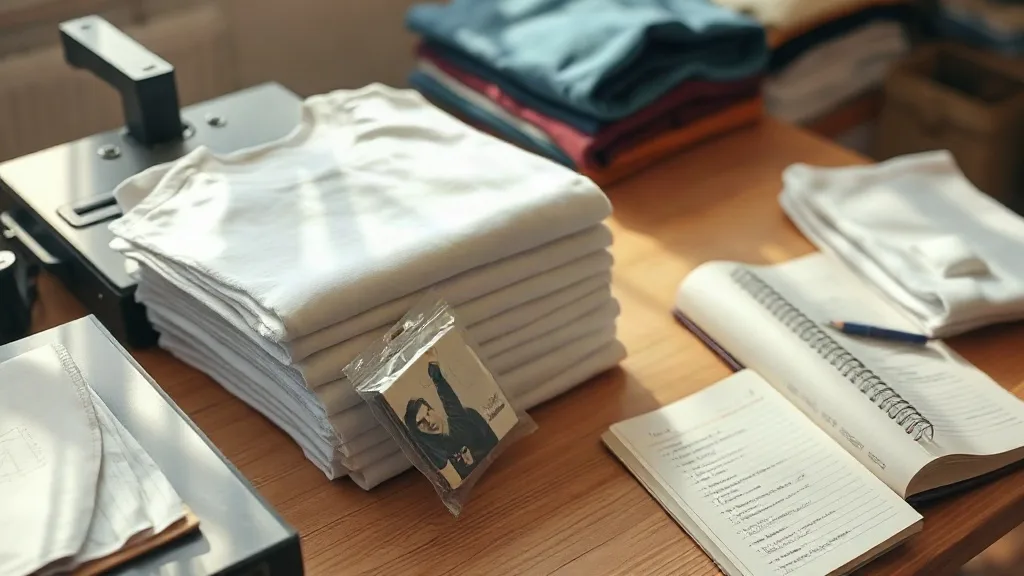
Most print shops celebrate the first order. The ones that survive celebrate the fifth. Getting a customer through the door once is a mix of marketing, timing, and a little luck. Getting them to come back is a completely different skill, and it has very little to do with how clever your logo looks. It comes down to whether the shirt they ordered three months ago still looks like the shirt they ordered three months ago. That is where dtf transfers earn their reputation, because the process rewards shops that build repeatable habits instead of chasing one-off wins.
This guide is not about squeezing more money out of each job. It is about the quieter mechanics of retention: what actually makes a buyer return, which small failures quietly push them away, and how to set up your DTF workflow so that consistency becomes the default rather than a lucky accident.
Why repeat business is the real profit engine in a DTF shop
A first order pays for materials, labor, and a bit of margin. A fifth order from the same customer pays for almost none of the acquisition cost, because there is no acquisition cost left to recover. You already did the hard part. They know your name, they trust your turnaround, and they have stopped shopping around.
The trap is that many shops treat every job as a fresh start. New artwork check, new guess at press settings, new scramble for film. That works when volume is low. It collapses the moment you have ten customers expecting the same result they got last time. Repeat customers are not forgiving of inconsistency, and they should not have to be. If their first hoodie came out crisp and their second came out slightly dull, they will notice before you do.
The fix is not more talent. It is documentation. A simple sheet that lists your press temperature, dwell time, pressure setting, and peel method for each fabric type you regularly print on will do more for retention than any loyalty discount.
What actually makes a customer order again
Ask ten returning buyers why they came back and you will hear the same handful of answers, rarely the ones shops assume. Price almost never tops the list. What matters is whether the experience felt predictable.
Consistency beats brilliance
A customer who ordered a run of team shirts in March and reorders in June expects the same red, the same hand feel, and the same edge sharpness. If your dtf prints drift between runs, the customer assumes the quality dropped, even when the print is technically fine. Color management and press discipline are not glamorous topics, but they are the backbone of retention.
One practical habit: keep a physical sample of every recurring order. A small swatch on the same fabric, pressed with the same settings, stored in a labeled bag. When the reorder comes in, you have a reference to match against instead of relying on memory.
Turnaround you can promise and keep
Fast is good. Predictable is better. A shop that says five days and delivers in five days will out-retain a shop that says two days and delivers in four. Under-promise on the timeline, then beat it when you can. Repeat customers plan around your stated window, and every late delivery forces them to build slack into their own schedule, which means they start looking for alternatives.
Small-area prints that hold up
Sleeve hits, pocket logos, and hem prints are where loyalty is quietly won or lost. These zones get more abrasion, more stretching, and more washing. A customer who sees a sleeve print crack after two washes will not blame the fabric. They will blame you. Test your small-area settings on the actual garment before you commit to a bulk run, and keep a note of what worked.
The pre-order questions that prevent lost customers
Most complaints trace back to a mismatch between what the customer imagined and what the process can deliver. A short intake conversation closes that gap before any film is printed.
- What fabric is the garment? Cotton, blends, and synthetics all behave differently under the press. A 50/50 blend needs different pressure and dwell than a 100% cotton tee.
- How will it be washed? Customers who wash hot and tumble dry will see faster wear on any print. Knowing this lets you set expectations up front.
- Is this a one-off or a recurring order? If they plan to reorder, save the file, the settings, and a swatch now. Future you will be grateful.
- What is the deadline really? Ask when they need it in hand, not when the event is. The gap between those two answers is usually where the panic lives.
These four questions take two minutes and prevent most of the awkward conversations that end a customer relationship.
Sampling: the cheapest retention tool you have
A sample is not a freebie. It is an insurance policy. When a customer is about to place a large order, offer a single pressed sample on the actual garment they plan to use. Charge for it if you must, but make it easy. The customer gets to feel the print, check the color against their brand, and confirm the placement. You get to catch a problem before it multiplies across two hundred pieces.
Shops that skip sampling to save time usually pay for it later in reprints, rushed replacements, and customers who quietly stop calling. The math almost never works in favor of skipping.
If a customer is searching for dtf transfers near me, they are likely comparing turnaround and reliability more than price. A sample in their hand, delivered on time, is the strongest possible answer to that search.
Pricing that keeps customers without eroding margin
Repeat customers expect a fair price, not the lowest one. The mistake is discounting so aggressively on the second order that you train them to wait for a deal. A better approach is to price the first order honestly and let consistency do the retention work.
Where discounts do make sense is on volume that genuinely reduces your per-unit cost. A reorder of the same design, same size run, and same fabric is cheaper for you to produce because the setup is already done. Passing a portion of that saving back is fair and sustainable. Discounting a completely new design just because the customer is returning is not.
Keep a simple record of what each recurring customer orders, how often, and at what price. When you can see the pattern, you can spot the moment a customer's order size starts shrinking, which is usually the first sign they are testing another supplier.
The quiet signals that a customer is drifting
Customers rarely announce that they are leaving. They just order less, ask more questions about turnaround, or start requesting quotes for smaller runs. Treat those as early warnings rather than noise.
If a regular buyer suddenly asks whether you can match a specific color they saw elsewhere, that is a comparison happening in real time. The right response is not to defend your process but to show it. Offer to press a swatch on their fabric and send a photo. Transparency closes more gaps than reassurance.
Building a reorder system without extra software
You do not need a CRM to keep repeat customers happy. A shared spreadsheet with four columns gets you most of the way: customer name, last order date, design reference, and press settings used. Add a notes column for anything unusual, like a fabric that needed extra dwell time or a color that required a tweak.
Once a month, scan the list for customers who have not ordered in roughly twice their usual interval. A short message asking if they need a reorder costs nothing and often restarts the relationship. Most shops never do this, which is exactly why it works.
Frequently asked questions
How do I keep DTF print quality identical across reorders months apart?
Record your press temperature, pressure, dwell time, and peel method for each fabric type, and keep a pressed swatch from every recurring order. Match new runs against the swatch rather than against memory. If ink or film suppliers change, re-test before committing to a bulk reorder.
Should I offer discounts to customers who order again?
Only when the reorder genuinely lowers your cost, such as an identical design and size run with no new setup. Blanket discounts on returning customers train them to expect lower prices and erode the margin that makes repeat business valuable in the first place.
What is the biggest reason DTF customers stop ordering?
Inconsistency and missed deadlines, in that order. Price rarely drives customers away from a shop that delivers the same result every time. A print that looks different from the last run, or an order that arrives late, does more damage than a slightly higher quote.
How many samples should I press before a large reorder?
One well-chosen sample on the actual garment is usually enough, provided it uses the same fabric, color, and settings as the production run. For very large orders or new fabric blends, press two: one to keep as a reference and one for the customer to approve.