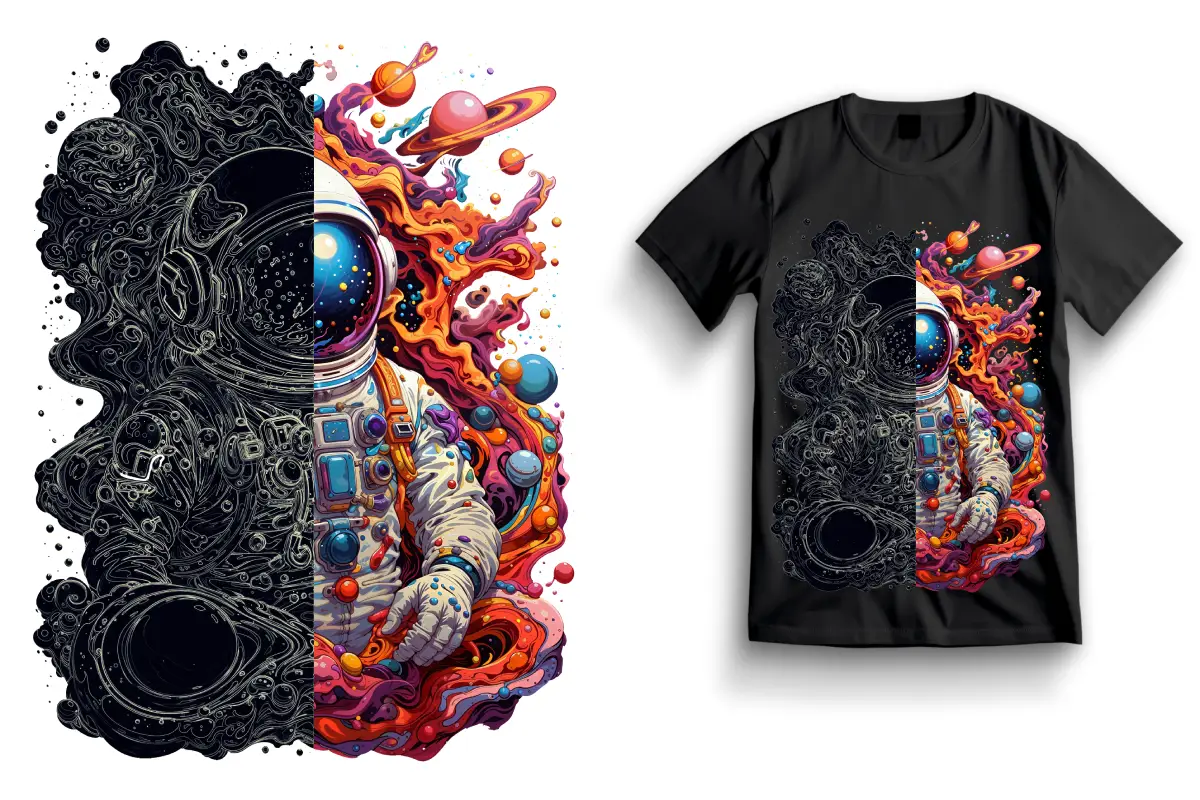
In the highly dynamic world of custom apparel creation, business success depends heavily on adopting production methods that prioritize speed, visual clarity, and material versatility. For decades, print shops and fashion startups felt stuck choosing between the massive setup requirements of screen printing and the fragile fabric limitations of older transfer setups. Today, the rapid evolution of premium
dtf transfers has completely eliminated these historic operational challenges. This digital decoration system allows designers to execute highly detailed, multi-colored graphics on demand without minimum order constraints, tedious manual weeding, or expensive screen setups, offering a clear path forward for competitive garment brands.
The operational engine driving this manufacturing revolution is industrial
DTF (Direct-to-Film) technology. By using advanced digital inkjet systems to print specialized water-based pigment inks onto a coated polyester carrier film, decorators can capture fine lines and smooth gradients effortlessly. Immediately after printing, a unique thermoplastic polyurethane hot-melt powder is applied to the wet design and cured. This steps creates a highly durable, stretchable graphic patch that integrates seamlessly into fabric fibers under a heat press. Because the ink layer locks into the textile weave rather than sitting like a thick plastic shell on top, the finished garment retains an ultra-soft hand-feel that meets modern retail expectations.
Advanced Material Architecture: Why White Ink Density Matters
To successfully implement this modern digital method on a busy production floor, an operator must look closely at the component layers that build a premium transfer. The structural integrity and visual pop of the graphic rely on a sophisticated two-stage ink deposition system. The printer first lays down the colorful cyan, magenta, yellow, and black inks to build the primary artwork, and then instantly caps the entire layout with a heavy, highly opaque white ink base layer.
This white underbase layer serves as a critical light shield for the design. When you press the finished film onto dark substrates like deep black cotton hoodies or vibrant sublimated polyester jerseys, the solid white backing prevents the underlying garment colors from bleeding through the artwork. Without a properly calibrated white underbase, bright yellows, soft pinks, and clean whites will appear dull, gray, or muddy once heat is applied. Sourcing transfers from a production facility that maintains optimal white ink density ensures your graphics remain bright and completely true to your original digital design files.
The Polymer Science Behind Wash Durability and Stretch
Beyond color accuracy, the commercial viability of custom apparel depends entirely on how well the design survives real-world wear and maintenance. The longevity of the graphic is governed by the chemical cross-linking that occurs during the powder curing phase. High-purity thermoplastic polyurethane adhesive powders are engineered to melt completely within exact temperature windows, ensuring uniform coverage across microscopic text and broad ink fields alike.
When this cured adhesive layer is pressed into a garment, it forms an unbreakable bond with the core textile threads. This cross-linked polymer web allows the completed graphic to stretch and flex naturally alongside the fabric during athletic activities, recovering its original shape without cracking or tearing. Furthermore, this industrial bond ensures the garment can survive over fifty rigorous commercial laundry cycles without showing signs of edge lifting, peeling, or fading, making it an essential asset for workwear uniforms and premium streetwear labels.
Operational Advantages of Shifting to Digital Transfers
Transitioning from traditional textile printing setups to modern digital film sheets can completely optimize your day-to-day shop workflows and gross profit margins. By changing how your team manages raw materials and processes custom orders, you build an agile fulfillment model. The primary benefits include:
- Universal Fabric Bonding: Unlike sublimation which demands high-polyester surfaces, or direct-to-garment systems that require specific chemical fluids for cotton, film transfers bond beautifully to cotton, polyester, poly-blends, heavy canvas, and leather.
- Perfect Execution of Fine Elements: Complex vector geometry, fine typography, transparency fades, and photorealistic portraits are produced with absolute clarity, completely bypassing the mesh restrictions of silk screens.
- Elimination of Chemical Overhead: Moving to a digital transfer workflow removes the need for dedicated darkrooms, toxic screen emulsions, reclaiming chemicals, and large exposure units, lowering workspace expenses.
- On-Demand Inventory Protection: Instead of pre-printing hundreds of garments before a seasonal launch, brands can print consolidated rolls of film and archive them flat. You press the design onto a blank shirt only after an online sale is finalized.
Insulating Your Supply Chain with Reliable Regional Production
When sudden corporate fulfillment contracts land on your desk or weekend promotional event deadlines approach, relying on long-distance national freight lines or unpredictable international cargo routes can introduce massive risks to your business operation. This common supply chain vulnerability encourages smart shop owners and independent makers to constantly search for top-tier
dtf transfers near me to ensure immediate local turnaround windows and eliminate steep express courier fees. Building a direct relationship with a regional manufacturing hub keeps your workspace functioning smoothly.
However, basic physical proximity must always be backed by strict quality controls. When vetting potential regional print partners, look past basic marketing claims and audit their physical shop environment. A professional production facility will actively regulate relative humidity and room temperature, as excessive moisture can cause water-based inks to bead up on the polyester film or cause raw adhesive powders to clump inside the shaker bins. Working with a dedicated provider that treats climate management seriously ensures that every roll of film you collect behaves predictably under your heat press platens.
The Standard of Manufacturing Excellence in the Gulf Coast Region
The custom apparel market across Texas is exceptionally competitive, and capturing long-term customer loyalty requires delivering a finished product that looks and feels retail-ready. Securing the
best dtf transfer at Houston demands a partnership with an industrial production center that explicitly understands how to navigate the regional climate. The intense heat and high humidity levels of the Gulf Coast can quickly ruin sensitive films and powders if they are left exposed on an unmanaged shop floor, making precise climate control an absolute requirement for consistent adhesive performance.
Premium local manufacturing centers separate themselves by running wide-format industrial printing equipment fitted with automated white ink agitation systems. Because white titanium dioxide pigment is naturally dense, it tends to settle and clog line feeds if left stationary inside the machine lines. Continuous loop circulation loops eliminate this problem entirely, maintaining an even blend that produces solid white underbases all day long. Sourcing your supplies from a facility like Harwin DTF means your prints press easily, peel smoothly, and provide the clean matte texture your buyers expect.
Logistical Agility: Maximizing Workflow with Local Partners
Partnering with a dedicated
Houston dtf transfer expert gives local businesses a major advantage when it comes to supply chain speed. Instead of wasting valuable days waiting for nationwide transit paths to clear, local makers can submit digital design files and collect completed print rolls within extremely tight fulfillment windows. This rapid turnaround allows your brand to confidently accept last-minute event projects, local sports league uniform updates, or fast-moving pop-culture design trends without hesitation.
To get the absolute most out of this local production speed, mastering the setup of a custom gang sheet is highly recommended. A gang sheet involves organizing multiple artwork files of different shapes and sizes onto a single continuous roll of printing film. By nesting large chest designs tightly alongside small sleeve accents, hat logos, and custom neck labels, you fill every square inch of the film width. This layout technique lowers your overall cost per print, reduces scrap waste, and speeds up the output of your heat press station during high-volume assembly runs.
The Step-by-Step Thermal Calibration Guide
Even an flawlessly printed design will fail to perform if the final heat press phase is handled carelessly. Creating a permanent bond between ink layers and fabric threads requires precise control over temperature, dwell time, and physical pressure. Follow this exact technical sequence to ensure perfect results across your production runs:
- Calibrate the Heat Press: Power on your heavy-duty manual or pneumatic heat press and allow the top platen to reach full temperature stability. For standard ring-spun cotton garments, set the press to 315 degrees Fahrenheit. If working with delicate synthetic polyesters prone to heat bruising, drop the temperature down to 280 degrees Fahrenheit to safeguard the fabric structure.
- Perform the Moisture Pre-Press: Position the textile flat on the lower silicone pad and lock the press down for 5 seconds. This critical step drives out hidden ambient moisture trapped inside the fabric weave and flattens the surface fibers, ensuring the hot-melt adhesive makes direct contact with the core threads.
- Position the Design Film: Lay the cured film sheet carefully onto the garment, making sure the textured adhesive powder side rests directly against the fabric surface. Use laser guides or placement rulers for uniform positioning across your batch.
- Execute the Primary Fusion: Lower the heat platen with firm, heavy pressure and hold the press closed for exactly 12 to 15 seconds. Make sure your press applies uniform pressure across the entire surface area of the design to avoid soft spots at the edges.
- Enforce Complete Ambient Cooling: Remove the garment from the press and set it completely flat on a clean cooling table. Allow the sheet to return to absolute room temperature. Attempting to peel the film while it remains warm will fracture the semi-solid adhesive polymer, tearing the crisp borders of your graphic.
- Perform the Smooth Parallel Peel: Once cold to the touch, secure one corner of the carrier film and pull it back smoothly in a low, continuous motion. Keep the film close and parallel to the fabric surface during the pull rather than ripping it upward at a sharp angle.
- Conduct the Final Matte Finish Press: Place the peeled garment back onto the lower platen, lay a sheet of premium silicone parchment paper or a textured matte finishing pad directly over the exposed print, and compress for an additional 5 seconds. This secondary step locks the ink deeply into the fabric pores and eliminates any unwanted plastic sheen, leaving a premium, ultra-soft matte finish.
Frequently Asked Questions
What specific manufacturing defects cause custom film prints to crack early?
Early cracking is rarely a problem with the film itself; instead, it usually points to poor calibration during the printing or heating process. If a print shop uses low-grade inks with high water percentages or fails to cure the adhesive powder completely, the final graphic will feel brittle. Working with an industrial facility that balances its raw chemicals properly eliminates this durability concern.
Can performance sportswear handle high-pressure direct-to-film graphics?
Yes, athletic polyesters and flexible fabrics are perfect matches for this digital process. Because the underlying thermoplastic polyurethane layer has excellent natural elasticity, the graphic expands and recovers without tearing. You simply need to lower the heat press temperature to prevent scorching the delicate synthetic materials.
How do I safely clear away creases from garments that have digital prints?
You must avoid touching a hot household iron directly to the front of the graphic because the extreme heat will instantly melt the polymer backing. To remove wrinkles safely, flip the shirt completely inside out, set the iron to low heat, and place a protective towel over the area before pressing.
What is the ideal way to handle long-term storage for unpressed prints?
Unapplied design sheets should be kept flat inside airtight bags away from bright sunlight, high temperatures, and high humidity zones. Protecting the sheets from moisture ensures the dry adhesive powder stays stable, keeping the prints fully ready to apply for over a year.
Securing Your Brand's Production Edge
Succeeding in the rapidly moving custom apparel sector requires working with manufacturing partners who understand that precision, consistency, and clear communication are fundamental to your success. At Harwin DTF, we concentrate on delivering premier production materials designed to keep your shop moving efficiently, removing unexpected workflow disruptions and sub-par texture results from your daily schedule. By pairing high-performance wide-format print infrastructure with top-tier pigment ink profiles, we make sure that every custom gang sheet we fulfill mirrors your digital artwork files exactly. Partnering with our specialized industrial facility allows you to focus your energy on growing your client base, secure in the knowledge that your finished garments will consistently meet the rigorous quality standards of the modern retail market.